Continent file
Cryptids of Europe
Lake monsters, phantom black dogs, big cats and the beasts of old folklore.
Europe’s cryptids are among the oldest on record, because monks, chroniclers and naturalists wrote them down. Adomnán’s late-7th-century life of St Columba describes a water beast in the River Ness, Bishop Erik Pontoppidan described the island-sized Kraken in 1752–53, and the tale of Sweden’s Storsjöodjuret was first written down in 1635. Deep, cold lakes left by Ice Age glaciers, stormy northern seas and lonely moors fed a rich tradition of shape-shifting water horses like the Kelpie, phantom hounds like East Anglia’s Black Shuck and the Alpine Tatzelwurm.
The modern craze began in 1933, when a new road along Loch Ness and a string of newspaper stories turned the Loch Ness Monster into a global sensation. Later decades brought submarine hunts, the sonar sweep of Operation Deepscan in 1987 and Britain’s phantom big cats, including the Beast of Bodmin Moor and the Beast of Exmoor, which brought Royal Marines onto the moor in 1983. Europe also has one historical monster that really killed: the Beast of Gévaudan, blamed for scores of deaths in south-central France between 1764 and 1767.
Europe’s legends have also been tested more often than most. Nessie’s 1934 “Surgeon’s Photograph” was admitted in 1994 to show a toy submarine fitted with a model head; a 2018 environmental DNA survey of Loch Ness found no reptile DNA but plenty from eels; and a 1995 government inquiry found no verifiable evidence of a big cat on Bodmin Moor. Most historians put the Gévaudan killings down to wolves.
Choose a country
Cryptids of Europe
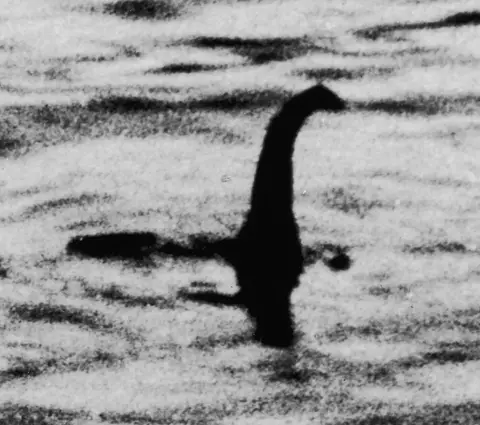
Loch Ness Monster
Scotland’s long-necked lake monster, reported in Loch Ness since 1933 – the world’s most famous cryptid, most searched-for loch and best-known hoax. Widely reported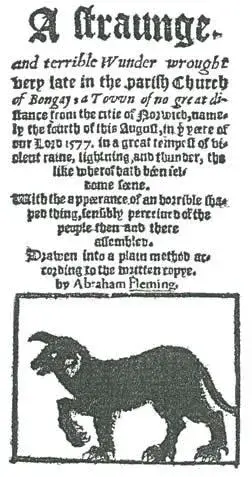
Black Shuck
East Anglia’s ghostly black hound, blamed for the deadly church storm of August 1577 in Bungay and Blythburgh and still said to roam the coast. Regional legend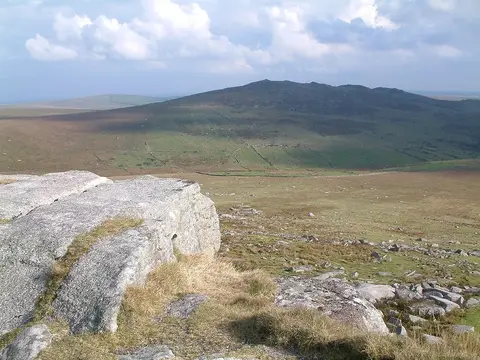
Beast of Bodmin Moor
A big black cat said to stalk Cornwall’s Bodmin Moor, investigated by the government in 1995 – days before a leopard skull turned up in a river. Widely reportedAlmas
Central Asia’s “wild man”: a hairy, human-like figure reported from the Altai and Gobi to the Pamirs and Caucasus, once hailed as a surviving Neanderthal. Regional legend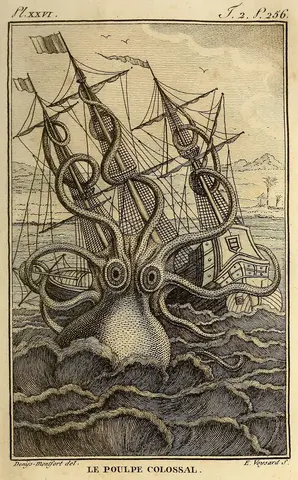
Kraken
The island-sized sea monster of Norwegian fishermen’s lore, made famous by Bishop Pontoppidan in 1752 – and probably inspired by the giant squid. Folklore
Lagarfljót Worm
Iceland’s glacial-lake serpent, recorded since 1345 and made famous by a 2012 farmhouse video that a local “truth committee” later endorsed. Regional legend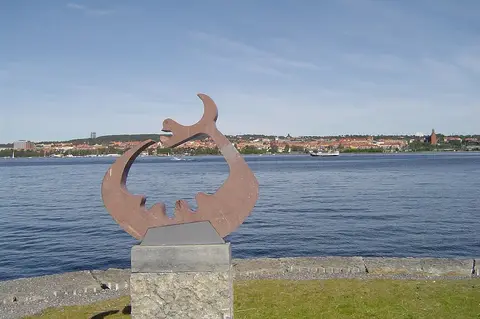
Storsjöodjuret
Sweden’s Great Lake Monster, a dog- or cat-headed serpent said to swim Storsjön – once hunted with a royal-backed trap and even legally protected. Regional legend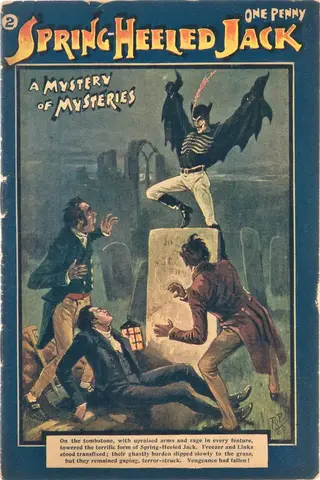
Spring-heeled Jack
A leaping, fire-breathing phantom who terrorised Victorian London in 1838, later spotted at Aldershot and Liverpool – part prankster, part urban myth. Folklore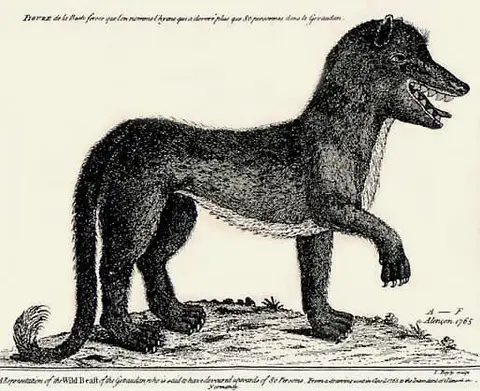
Beast of Gévaudan
A man-eating predator that killed scores of peasants in south-central France in 1764–67, defying the king’s huntsmen and inspiring werewolf legends. Extinct animal?Tommyknockers
Little mine spirits brought from Cornwall to the American West, said to knock in Colorado’s gold and silver mines – warning, teasing or guiding the miners. Folklore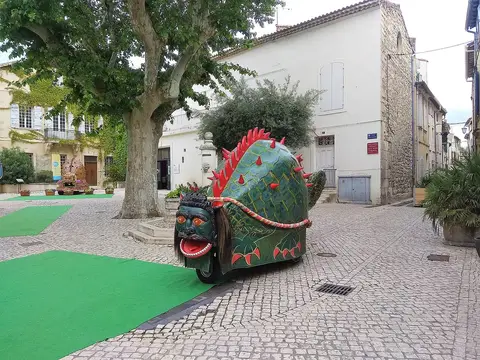
Tarasque
The Rhône dragon of Provence, tamed by Saint Martha with holy water – its festival at Tarascon is a UNESCO-recognised living tradition. FolkloreStrigoi
Restless dead and witch-spirits of Romanian village belief, feared as vampires and part of the folk backdrop to Dracula-style stories. Folklore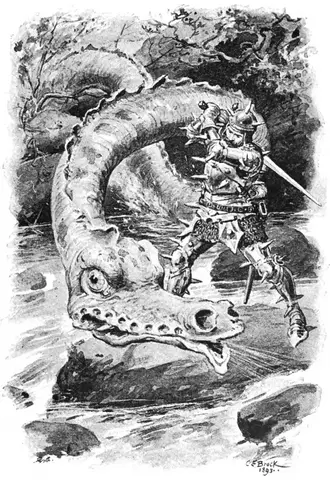
Lambton Worm
A giant eel-like worm said to have terrorised the River Wear in County Durham until a Lambton heir slew it in spiked armour – and cursed his family. Folklore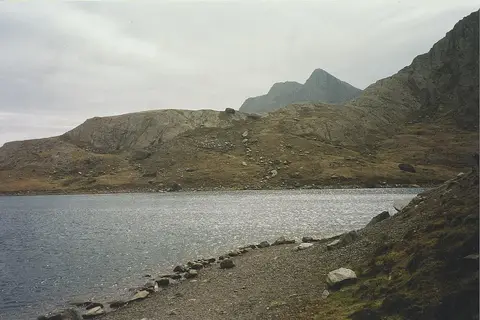
Afanc
Wales’s legendary lake monster, a flood-causing beast dragged out of a River Conwy pool by oxen and exiled to a lake high on Snowdon. Folklore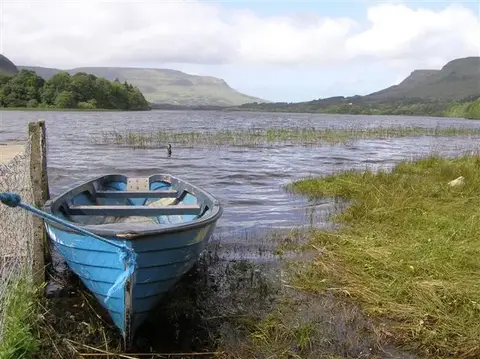
Dobhar-chú
Ireland’s “water hound”: a giant otter-like beast said to have killed Grace Connolly at Glenade Lough in 1722 – a tale tied to a carved local gravestone. Regional legend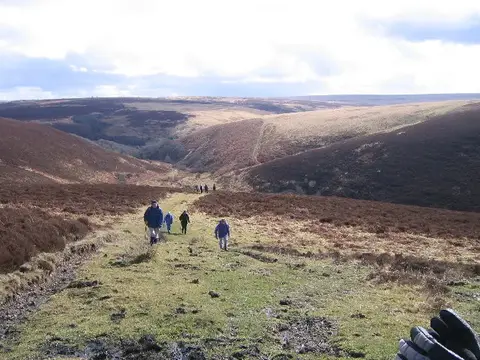
Beast of Exmoor
A phantom sheep-killer blamed on a puma or panther; in 1983 Royal Marine snipers were sent onto Exmoor to hunt it – and found nothing at all. Widely reported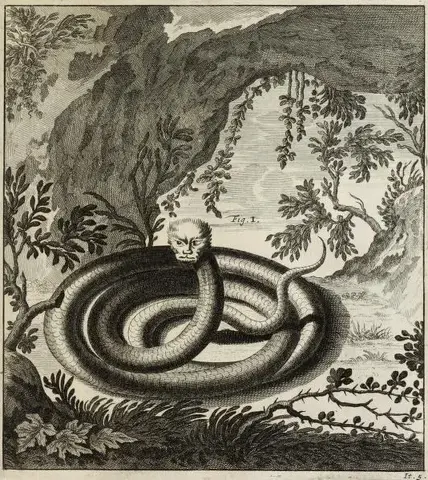
Tatzelwurm
The “worm with paws” of the Alps: a stubby, cat-faced lizard said to lurk in mountain crevices, hiss, and kill with its poisonous breath. Regional legendBlack Annis
A blue-faced, iron-clawed hag of Leicestershire folklore said to lurk in a Dane Hills cave and snatch children – perhaps echoing a medieval anchoress. Folklore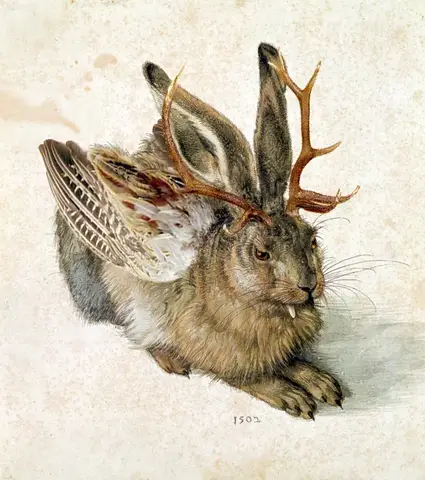
Wolpertinger
Bavaria’s tongue-in-cheek forest chimera – a horned hare with wings and duck’s feet – made by taxidermists, hunted by the gullible, loved by tourists. Folklore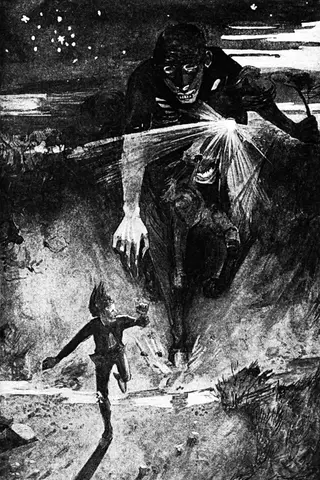
Nuckelavee
Orkney’s most dreaded sea demon: a skinless horse-and-rider monster blamed for blight, drought and plague, which could not cross running fresh water. Folklore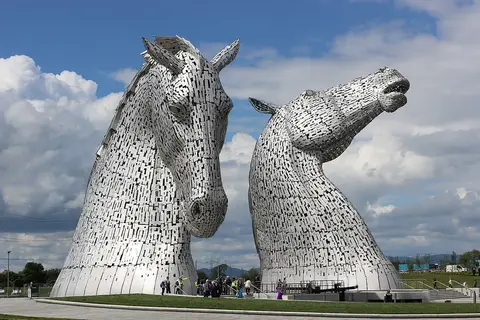
Kelpie
The shape-shifting water horse of Scottish folklore, luring riders into lochs and rivers – honoured today by the giant Kelpies sculptures at Falkirk. Folklore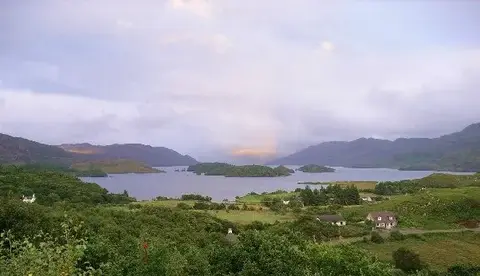
Morag
Nessie’s lesser-known cousin, said to haunt Loch Morar – Britain’s deepest lake – and famously reported to have rammed a fishing boat in 1969. Regional legend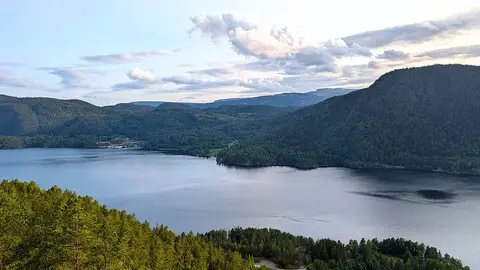
Selma
Norway’s best-known lake serpent, said since 1750 to swim the narrow lake at Seljord in Telemark, where she now graces the town’s coat of arms. Regional legend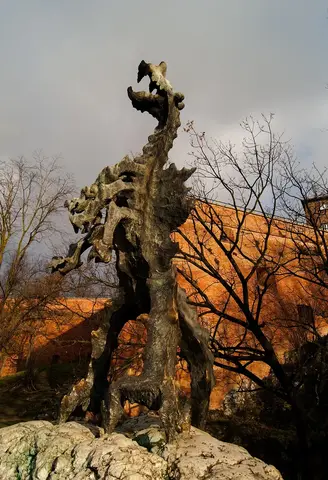
Wawel Dragon
Kraków’s dragon, which lived in a cave beneath Wawel Hill until a sulphur-stuffed bait finished it – now the city’s fire-breathing emblem. FolkloreMore from Europe
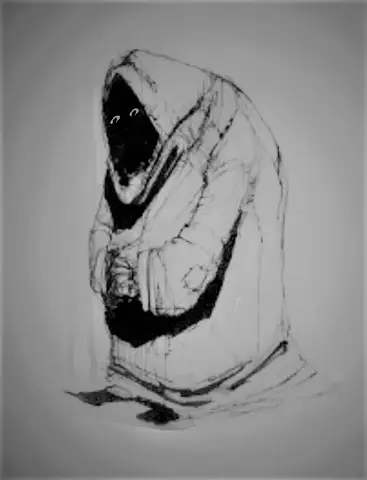 ’O MunacielloHumanoid · Naples, Campania
AitvarasOther · Farmsteads of Lithuania and…
BarghestDogman & canine · Troller’s Gill, Yorkshire…
BasajaunHominid · Basque and Pyrenean forests…
Basilisk of ViennaReptilian · Schönlaterngasse 7, Vienna
Bean-nigheSpectral · Fords and streams of the…
Big Grey Man of Ben MacdhuiHumanoid · Summit plateau of Ben Macdui…
Brosno DragonLake & sea monster · Lake Brosno, near Andreapol…
DraugenSpectral · Coast of northern Norway
DullahanSpectral · Ireland (south and west)
Each-uisgeLake & sea monster · Sea lochs and lochs of the…
Fur-bearing TroutLake & sea monster · Salida (Colorado), Montana…
GwyllgiDogman & canine · North-east Wales…
HeinzelmännchenHumanoid · Cologne (Köln), Germany
KallikantzarosHumanoid · Greece (also the Balkans and…
Klagenfurt LindwurmReptilian · Klagenfurt, Carinthia
KluddeOther · Flanders and Brabant, Belgium
KrattOther · Estonia
Labynkyr DevilLake & sea monster · Lake Labynkyr, Yakutia…
LidércSpectral · Hungary and Transylvania
LobisomemDogman & canine · Rural Portugal
Lough Ree MonsterLake & sea monster · Lough Ree, on the River…
MavkaSpectral · Forests of Ukraine and the…
Mester Stoor WormReptilian · Orkney, North Sea
MorgawrLake & sea monster · Falmouth Bay and the Helford…
NäkkiSpectral · Lakes and ponds of Finland
NøkkenSpectral · Lakes and streams of…
OwlmanFlying · Mawnan church woods, near…
PúcaOther · Rural Ireland
RusalkaSpectral · Rivers, fields and forests…
SamodivaSpectral · Pirin, Rhodope and Strandzha…
SkvaderOther · Sundsvall, Medelpad
TeggieLake & sea monster · Llyn Tegid (Bala Lake)…
VodníkHumanoid · Ponds and millraces of…