FIELD FILE · AFANCLAKE & SEA MONSTERFOLKLORE
Afanc
Also known as Addanc, Avanc, Water monster of Llyn yr Afanc
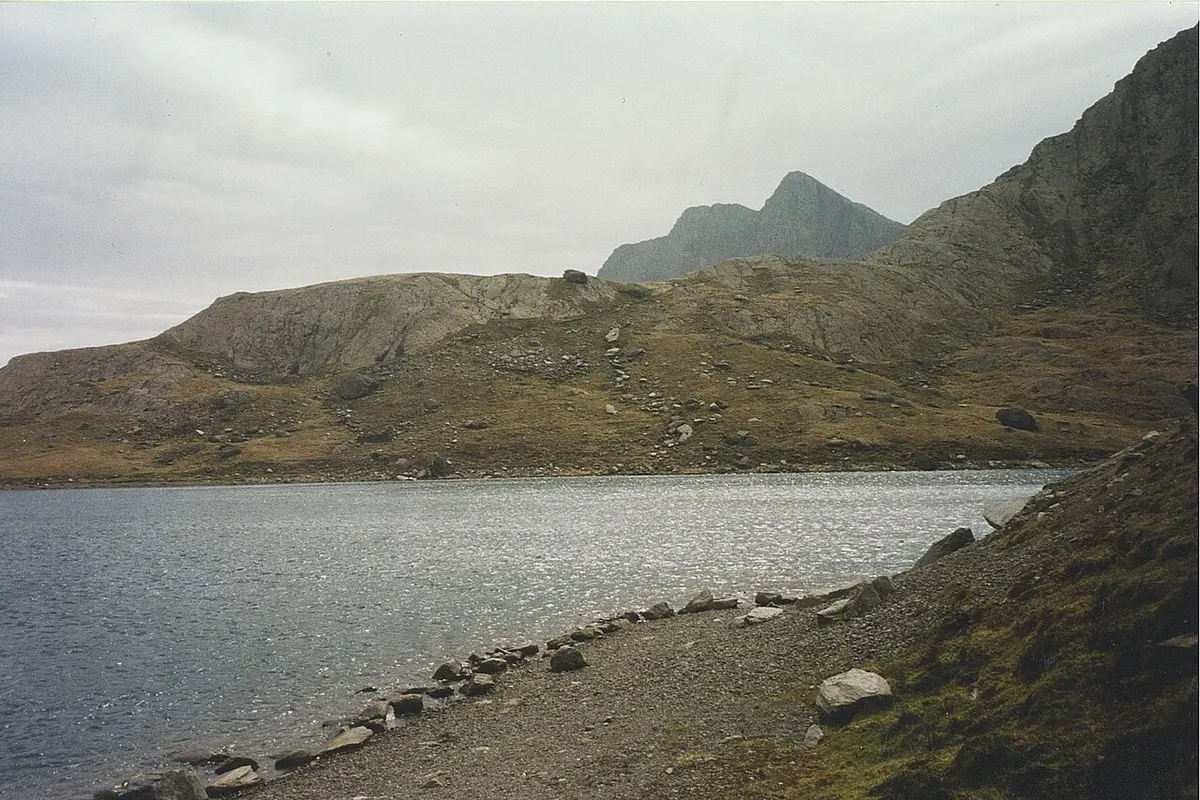
Wales’s legendary lake monster, a flood-causing beast dragged out of a River Conwy pool by oxen and exiled to a lake high on Snowdon.
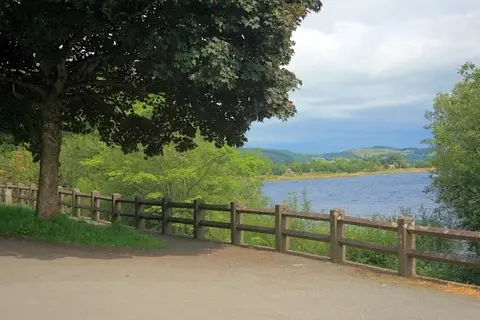
Welsh lakes are crowded with legends – drowned towns, fairy brides, magic cattle – and the most famous of their monsters is the afanc. In some tales it is a huge, crocodile-like brute; in others something like a giant beaver (the modern Welsh word afanc in fact means “beaver”), a dwarfish demon or a shapeless terror that drowned anyone who swam in its pool. Different stories set it in different waters: Llyn Llion, Llyn Barfog near Aberdyfi, Llangorse Lake in Powys, and above all Llyn yr Afanc, a deep pool on the River Conwy near Betws-y-coed.
The creature has a long literary history. In the medieval romance Peredur son of Efrawg, preserved in the 14th-century White Book of Rhydderch, the hero must kill an invisible “addanc of the lake” that slays three princes every day; a mysterious maiden gives him a stone that lets him see it, and he beheads it in its cave. The 15th-century poet Lewys Glyn Cothi placed an afanc in Llyn Syfaddon (Llangorse Lake), and in the 1840s Lady Charlotte Guest’s English translation of the Welsh tales brought the addanc to a wide readership.
The best-loved version belongs to the Conwy valley. The afanc’s thrashing in its pool burst the riverbanks and flooded the farms, and no spear could pierce its hide. So the valley folk forged iron chains and sent for Hu Gadarn and his two great long-horned oxen. A farmer’s daughter sang the beast to sleep on the shore, the men chained it, and the oxen hauled it up the Lledr valley and over the mountains to Llyn Ffynnon Las – usually identified as Glaslyn, the lake below Snowdon’s summit. On the way, one ox strained so hard it lost an eye, and its tears formed the pool called Pwll Llygad yr Ych, the Pool of the Ox’s Eye. The afanc, the story says, is still there.
The late-18th-century antiquarian Iolo Morganwg spun the legend into a Welsh flood myth, in which the afanc’s struggles drowned all of Britain except Dwyfan and Dwyfach, ancestors of the later Britons. Scholars treat much of that as his own invention, but it shows how deeply the creature had sunk into Welsh imagination.
- Status
- Folklore
- First reported
- c. 1350
- Best-known location
- Llyn yr Afanc on the River Conwy and Glaslyn, Snowdonia
- Also called
- Addanc, Avanc, Water monster of Llyn yr Afanc
- Reported in
- Wales
What witnesses describe
Descriptions vary widely: a giant, crocodile- or beaver-like water beast with an impenetrable hide; a dwarf or demon; or, in the Peredur tale, an invisible monster armed with poisoned darts. It is always powerful in water and helpless once dragged onto land.
Where and when it’s seen
Deep pools and mountain lakes of North and Mid Wales – especially Llyn yr Afanc on the Conwy near Betws-y-coed, and Glaslyn below the summit of Yr Wyddfa (Snowdon).
Notable sightings
- c. 1350The addanc in <em>Peredur</em> White Book of Rhydderch, Wales
The romance of Peredur, copied into the White Book of Rhydderch in the mid-14th century, includes the hero’s fight with the “addanc of the lake” in its cave.
- 15th centuryLewys Glyn Cothi’s afanc Llyn Syfaddon (Llangorse Lake), Powys
The poet Lewys Glyn Cothi referred to an afanc living in Llangorse Lake, one of the earliest links between the creature and a real body of water.
- 1838–1849Lady Charlotte Guest’s <em>Mabinogion</em> London and Llandovery
Guest’s English translation of medieval Welsh tales, including Peredur, introduced the addanc to readers far beyond Wales.
What could explain it?
- European beavers once lived in Wales before being hunted to extinction in the medieval period; their dams and floods, and the Welsh word afanc for “beaver,” suggest a real-world seed for the legend.
- Sudden river floods in steep Welsh valleys were easier to explain as a monster thrashing in a pool than as distant storms on the mountains.
- Place-name legends such as Pwll Llygad yr Ych are typical of Welsh folklore, in which stories are invented or adapted to explain names in the landscape.
- Much of the flood-myth version comes from Iolo Morganwg, a brilliant but unreliable 18th-century collector known to have forged or embellished sources.
Legend, culture and tourism
The afanc is a staple of Welsh folklore collections and has crossed into fantasy fiction, including Susan Cooper’s Silver on the Tree, China Miéville’s The Scar and an episode of the BBC series Merlin. Walkers on Snowdon’s Miners’ Track pass Glaslyn, the lake where the Conwy afanc is said to have been exiled.
Places to visit
The popular path from Pen-y-Pass climbs past Glaslyn, the deep blue lake below the summit said to hold the afanc.
Where it’s reported
Wales Conwy Gwynedd Powys
Afanc in the news
No recent headlines about the Afanc. Our news desk checks every day — see all cryptid news.
Sources
First published · Updated