Field file · Other · Folklore
Púca
Also known as Pooka, Phouka, Pwca (Wales), Bucca (Cornwall)
Ireland’s shapeshifting púca, usually a sleek black horse that carries riders on wild night rides – mischievous, sometimes helpful, tied to Samhain.
The púca (plural púcaí; anglicised as pooka or phouka) is a shapeshifting spirit or goblin from Irish folklore, with relatives in Wales (the pwca), Cornwall (the bucca) and the Channel Islands. It may bring good luck or bad, help farm and sea communities or hinder them, and it is most often met on lonely roads, hills and bogs after dark.
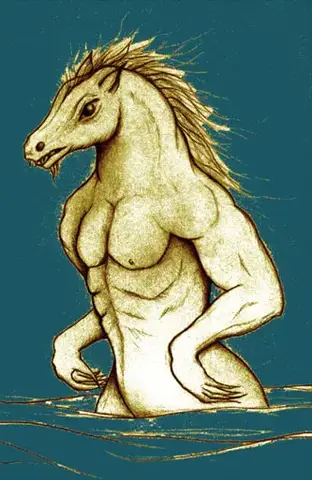
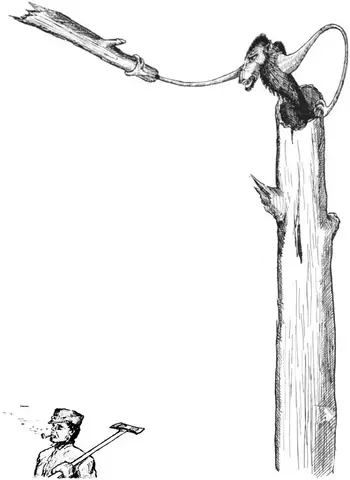
Its most familiar form is a sleek black horse with a wild mane and glowing golden eyes, but it can appear as a goat, hare, rabbit, dog, cat, raven or even a goblin with animal ears. Its best-known trick is to tempt a person onto its back and take them on a frightening ride across country before dropping them where they began. Unlike the water horses of Scotland, it is said to do no real harm; Irish tales say a rider could keep his seat with sharp spurs.
The púca is tied to the autumn harvest and Samhain. Tradition holds that 1 November is its day, when it behaves for once, and that after that date it spoils any wild fruit left on bushes. Farmers left a share of the crop, “the púca’s share,” to appease it, and what was left in the field was treated as fairy-blasted. In the hills it could also give prophecies to those who consulted it on that day.
Not every story is dark. In a tale told by Lady Wilde (1887), a púca grinds corn for a farmer’s son by night and rewards him later with a golden cup. The name is related to English “puck,” and Shakespeare’s Puck, or Robin Goodfellow, in A Midsummer Night’s Dream (1595) is a close relative.
What does Púca look like?
Usually a jet-black horse with flaming or golden eyes and a long mane; also a black goat, hare, dog, cat, raven or eagle, and sometimes a dark, hairy figure in human shape.
Where is Púca seen?
Hills, mountain paths, bogs and country roads at night, especially in late autumn around Samhain.
Púca sightings
- 1595Shakespeare’s Puck England
A Midsummer Night’s Dream gave the English stage a mischievous Puck, a figure derived from the same family of folk spirits.
- 1887Lady Wilde’s Ancient Legends Ireland
Lady Wilde’s collection printed a tale of a helpful púca who ground corn by night and gave a golden cup as a gift.
- 2022Púca statue, the Burren Carron, County Clare
A bronze púca about two metres tall was unveiled at the Michael Cusack Centre, showing that the spirit remains part of local identity.
Is Púca real? What could explain it
- The púca belongs to a large European family of shapeshifting spirits that explain misfortune, such as stray horses, unexplained noises and lights on the bog.
- The ‘púca’s share’ custom looks like a practical rule that stopped people from eating frosted or rotted wild fruit after the first days of November.
- Rides on a black horse on dark roads are sometimes read as accounts of drunken or frightening experiences that were then given a supernatural explanation.
Legend, culture and tourism
The púca remains a strong symbol in Irish storytelling and modern art, and appears in writers from Yeats to Flann O’Brien. The 1944 play Harvey, with its invisible rabbit, is called a ‘pooka’ story, and the spirit turns up in fantasy novels and games.
Where it’s reported
Sources
First published · Updated