Country file · Europe
Cryptids of Ireland
What cryptids are in Ireland? The best-known are Dobhar-chú, Lough Ree Monster, Kelpie and Púca, among 6 on file.
Ireland’s lakes and rivers have long been home to beasts in story: the péist or ollphéist, great serpents said to have been banished to the loughs by saints; shape-shifting water horses like the Scottish kelpie, known in Irish as the each-uisce; and the dobhar-chú, the “water hound,” a giant otter-like creature. The dobhar-chú has an unusually concrete anchor: a carved headstone in Conwal cemetery, Glenade, County Leitrim, is said to mark the grave of Grace Connolly, who according to local tradition was killed by one at Glenade Lough in 1722.
- 6 cryptids
- 6 recorded sightings
Cryptids reported in Ireland
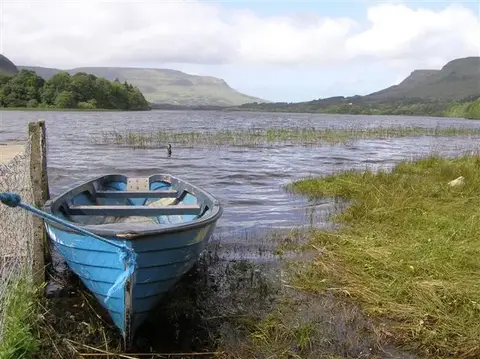
Dobhar-chú
Ireland’s “water hound”: a giant otter-like beast said to have killed Grace Connolly at Glenade Lough in 1722 – a tale tied to a carved local gravestone. Regional legend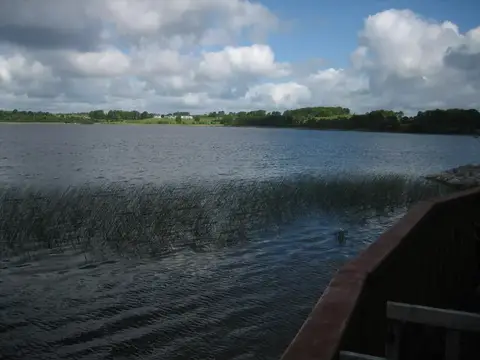
Lough Ree Monster
Ireland’s best-known lake monster, seen by three fishing priests on Lough Ree in May 1960 – a sighting the BBC carried to the world. Local legend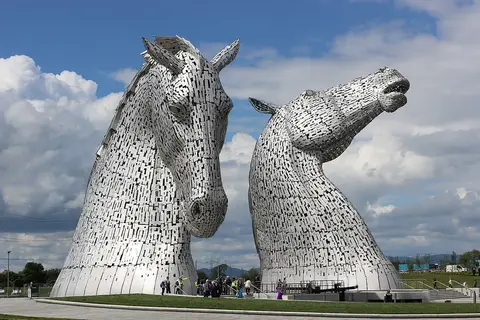
Kelpie
The shape-shifting water horse of Scottish folklore, luring riders into lochs and rivers – honoured today by the giant Kelpies sculptures at Falkirk. Folklore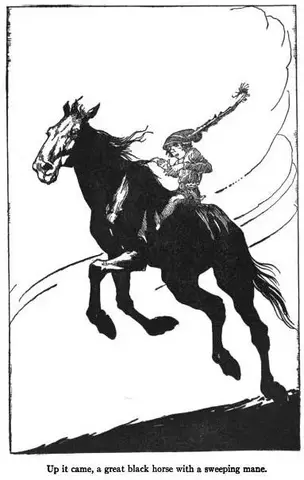
Púca
Ireland’s shapeshifting púca, usually a sleek black horse that carries riders on wild night rides – mischievous, sometimes helpful, tied to Samhain. FolkloreDullahan
The dullahan, Ireland’s headless rider on a black horse who carries his own head; his arrival at a door foretells a death. First printed in 1825. Folklore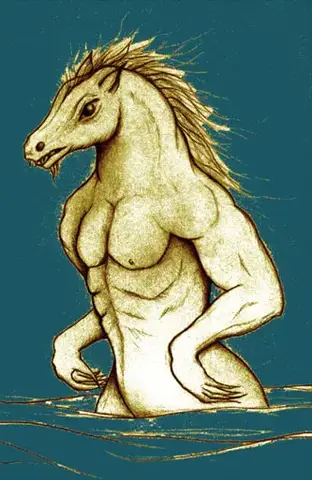
Each-uisge
The Highland ‘water horse’, a shapeshifter said to lure riders to the loch, drown them and leave only the liver – the deadliest cousin of the kelpie. FolkloreThe legends of Ireland
In the 20th century, the Loch Ness craze brought fresh attention to Ireland’s many remote, peaty loughs, and the country produced a sighting still hailed as one of the most credible anywhere. On May 28, 1960, three priests fishing on Lough Ree, the great Shannon lake between Athlone and Lanesborough, watched an unknown animal about six feet long with a head some 18 inches across. Their story ran in Irish newspapers and on the BBC, and Shannon boaters still trade tales of mysterious knocks against their hulls.
Irish monster country is concentrated in the west and midlands: the lakes and bogs of Connemara, the glens of Leitrim and Sligo, and the island-studded loughs of the Shannon. A visit might pair Grace Connolly’s gravestone in the Glenade valley with a cruise on Lough Ree from Athlone.
Hotspots
- Glenade Lough, County Leitrim
The lake where the dobhar-chú is said to have killed Grace Connolly in 1722; the carved gravestone said to be hers is in nearby Conwal cemetery.
- Lough Ree, River Shannon
The midlands lake where three priests reported a monster on May 28, 1960.
- Connemara, County Galway
A landscape of countless small loughs that has produced many tales of water hounds and water horses.
- The Burren, County Clare
Limestone uplands where a bronze púca statue stands at the Michael Cusack Centre in Carron.
Sightings timeline
- 1595Shakespeare’s Puck Púca
A Midsummer Night’s Dream gave the English stage a mischievous Puck, a figure derived from the same family of folk spirits.
- 1825Croker’s Fairy Legends Dullahan
Thomas Crofton Croker’s collection includes the earliest printed reference to the dullahan and the Headless Coach.
- 1887Lady Wilde’s Ancient Legends Púca
Lady Wilde’s collection printed a tale of a helpful púca who ground corn by night and gave a golden cup as a gift.
- 1888Yeats’s Fairy and Folk Tales Dullahan
W. B. Yeats brought the dullahan into his anthology of Irish folk tales, linking him to the banshee.
- May 28, 1960The three priests Lough Ree Monster
Three priests fishing on the lake reported watching an unknown animal about 100 yards away, roughly six feet of it visible, with a head around 18 inches across. Their account appeared in Irish newspapers and was broadcast by the BBC.
- 2022Púca statue, the Burren Púca
A bronze púca about two metres tall was unveiled at the Michael Cusack Centre, showing that the spirit remains part of local identity.