FIELD FILE · SPRING-HEELED-JACKHUMANOIDFOLKLORE
Spring-heeled Jack
Also known as Springheel Jack, The Terror of London, Jack o’ Lantern of the Victorians
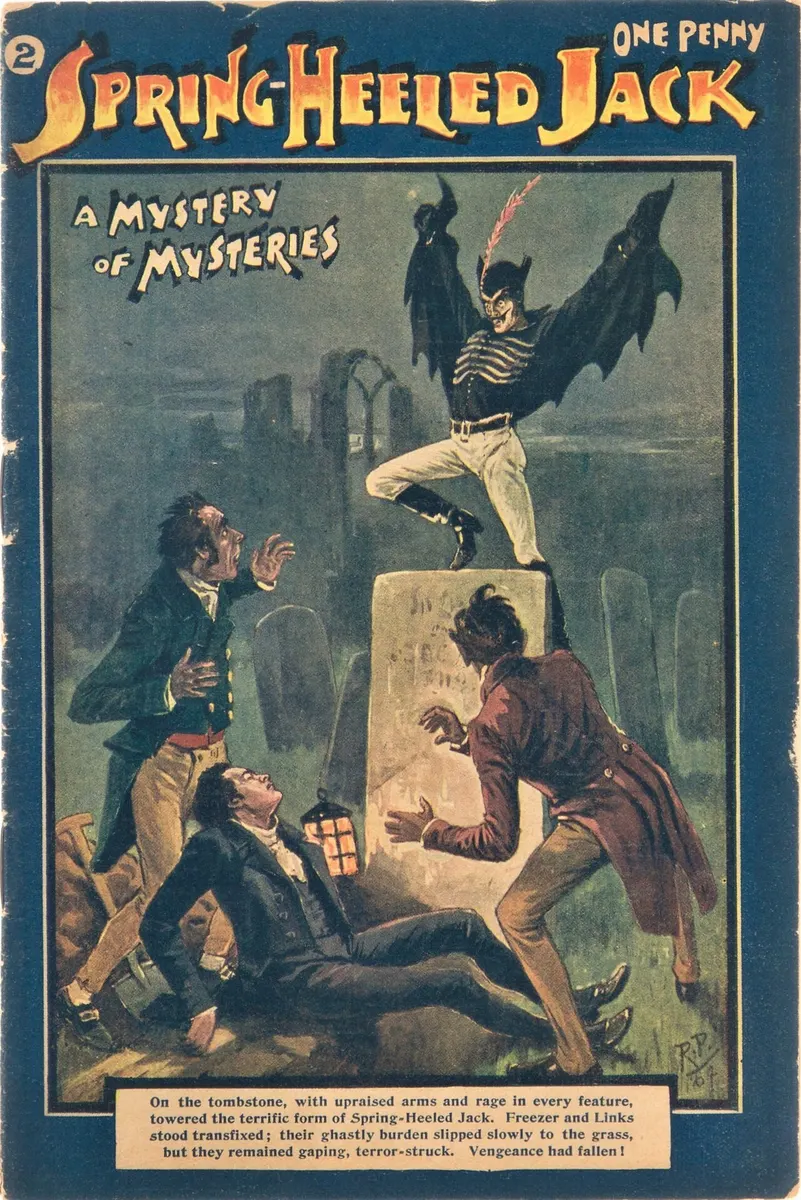
A leaping, fire-breathing phantom who terrorised Victorian London in 1838, later spotted at Aldershot and Liverpool – part prankster, part urban myth.
Spring-heeled Jack was the bogeyman of Victorian England: a tall, cloaked figure with clawed hands and glowing eyes who supposedly sprang over walls, spat blue flame in his victims’ faces and vanished with impossible leaps. He is less a cryptid in the zoological sense than one of the first great urban legends of the modern press age.
Later writers place the first attack in October 1837, when a servant girl named Mary Stevens said she was seized by a leaping figure on Clapham Common. The story became public on 9 January 1838, when the Lord Mayor of London, Sir John Cowan, read out at the Mansion House an anonymous letter from “a resident of Peckham” claiming that a gentleman had taken a wager to frighten the villages around London in a series of disguises. Newspapers seized on the tale, and vigilante patrols formed.
The most famous case followed on 19 February 1838. Jane Alsop, at her father’s house in Bearbinder Lane near Old Ford, answered the door to a man who claimed to be a policeman and asked for a light; she said he then threw off his cloak, spat blue and white flames and tore at her with metal claws. Days later, on 28 February, Lucy Scales said a figure blinded her with blue flame in Green Dragon Alley, Limehouse. The Times covered the Alsop case in detail, and a suspect, Thomas Millbank, escaped conviction partly because he could not breathe fire.
Jack resurfaced again and again: in Midlands and northern towns in the 1840s–70s, at Aldershot army camp in August 1877, where sentries reported a figure that slapped one of them and shrugged off a shot, and in Liverpool, with a last flurry of reports around William Henry Street in 1904. Meanwhile penny dreadfuls turned him into a pulp anti-hero. Rumour from as early as the 1840s blamed the notoriously riotous Henry Beresford, 3rd Marquess of Waterford, though nothing was ever proven.
- Type
- Humanoid
- Status
- Folklore
- First reported
- 1837
- Best-known location
- London’s outskirts, Aldershot and Liverpool
- Also called
- Springheel Jack, The Terror of London, Jack o’ Lantern of the Victorians
- Reported in
- England
What witnesses describe
A tall, thin man in a black cloak or tight oilskin suit, sometimes with a helmet, clawed or metal-tipped hands, eyes like “red balls of fire”, and breath of blue-and-white flame. Famous for enormous leaps.
Where and when it’s seen
Commons, lanes and back streets on the edges of Victorian towns – first south and east London, later army camps and northern cities – always at night.
Notable sightings
- January 9, 1838The Lord Mayor’s letter Mansion House, London
Sir John Cowan made public an anonymous letter describing a disguised prankster terrorising villages around London for a wager, launching press coverage of Spring-heeled Jack.
- February 19, 1838The attack on Jane Alsop Old Ford, east London
Jane Alsop said a cloaked man posing as a policeman spat blue and white flames at her and clawed at her clothes before fleeing when her family came to help.
- February 28, 1838Lucy Scales in Limehouse Green Dragon Alley, Limehouse
Eighteen-year-old Lucy Scales reported being blinded by a burst of blue flame from a cloaked figure, then left on the ground in fits.
- August 1877The Aldershot sentries Aldershot Garrison, Hampshire
Soldiers on guard reported a figure that leapt over them, slapped a sentry and was unharmed by a shot. The case revived the legend nationally.
- 1904Last sightings in Liverpool William Henry Street, Everton, Liverpool
Crowds reported a leaping figure on rooftops in Everton – the last widely reported appearance of Spring-heeled Jack.
What could explain it?
- Pranksters, quite possibly several, wearing costumes; wagers and practical jokes were fashionable among rich young men of the era, and the Marquess of Waterford was a popular suspect.
- Mass hysteria and press amplification: once named, every assault or fright could be attributed to Jack.
- Later details – the blue flames, spring boots and huge leaps – grew in retelling and in penny-dreadful fiction.
- Some early accounts, such as the Mary Stevens story, appear only in much later sources and may be embellished.
Legend, culture and tourism
Spring-heeled Jack starred in Victorian penny dreadfuls and stage melodramas, and lives on in steampunk novels such as Mark Hodder’s The Strange Affair of Spring Heeled Jack, comics, video games and audio dramas. He is sometimes compared with the Czech wartime legend of Pérák, the “spring man of Prague”.
Places to visit
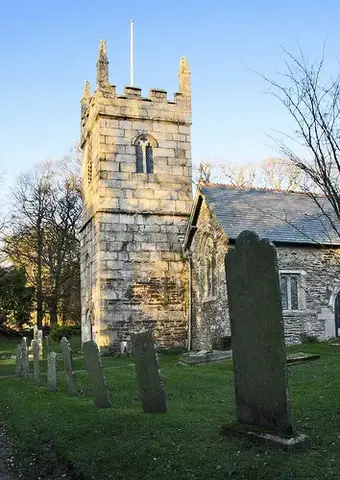
The common where the first attack was later said to have happened, now a busy south London park.
Where it’s reported
England Greater London Hampshire Merseyside
Spring-heeled Jack in the news
No recent headlines about the Spring-heeled Jack. Our news desk checks every day — see all cryptid news.
First published · Updated