FIELD FILE · BEAST-OF-EXMOORBIG CATWIDELY REPORTED
Beast of Exmoor
Also known as Exmoor Beast, British big cats, Surrey Puma (related)
A phantom sheep-killer blamed on a puma or panther; in 1983 Royal Marine snipers were sent onto Exmoor to hunt it – and found nothing at all.
The Beast of Exmoor is the cat that turned Britain’s mystery-predator reports into a national story. Sightings of large black or tawny cats on the heather moors between Devon and Somerset began in the 1970s, but in the spring of 1983 a South Molton farmer, Eric Ley, said he had lost around a hundred sheep in three months, many with their throats torn out. The Daily Express offered a reward for film of the killer, and reporters descended on the moor.
The government responded in remarkable fashion: a team of Royal Marines, including snipers, was deployed to watch the hills. Over three nights they glimpsed shapes in the dark but never got a clear shot, and the operation was wound down, reportedly in part because the moor was filling up with reward-seeking photographers. No animal was ever caught, and the livestock killings were later widely attributed to dogs.
Exmoor was only one chapter in a long history. In the 1960s the “Surrey Puma” filled newspapers in south-east England, and since then almost every county has had its own beast – from Fife to Gloucestershire. Some cats have been real: a puma was caught in Inverness-shire in 1980 and a lynx in Cricklewood, London, in 2001, and in January 2025 four lynx apparently released illegally were found near Kingussie in the Highlands. But none of these proved the existence of a breeding wild population.
Enthusiast groups such as the British Big Cat Society have logged thousands of reports, and many people suspect that pets released after the Dangerous Wild Animals Act 1976 seeded the countryside. Government bodies say they have received no credible evidence of breeding big cats. The Beast of Exmoor thus sits on a fascinating line between zoology, folklore and media frenzy.
- Type
- Big cat
- Status
- Widely reported
- First reported
- 1970s
- Best-known location
- Exmoor, on the Devon–Somerset border
- Also called
- Exmoor Beast, British big cats, Surrey Puma (related)
- Reported in
- England
What witnesses describe
Usually a black, panther-like cat 1.2–2.5 m long including tail; some witnesses describe a tawny puma or a grey, lynx-like animal. Reported to leave large paw prints and to kill sheep with a bite to the throat.
Where and when it’s seen
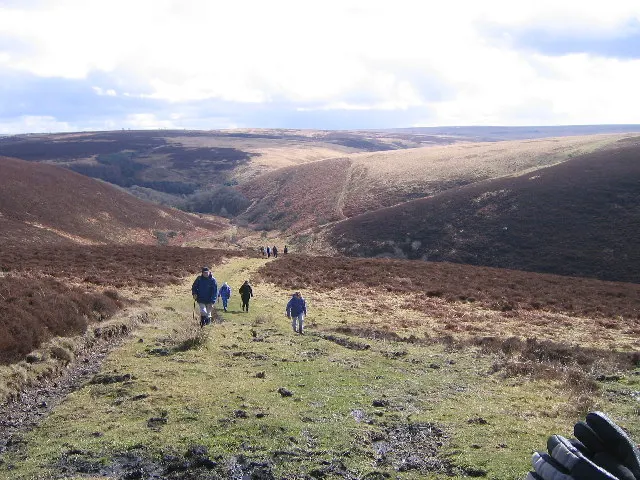
Open heather moor, combes and woodland fringes of Exmoor, mostly at dawn, dusk or in car headlights.
Notable sightings
- Spring 1983The South Molton sheep killings South Molton, Devon
Farmer Eric Ley reported losing around 100 sheep in three months. The Daily Express offered a reward for footage and the story went national.
- 1983Royal Marines on the moor Exmoor
Royal Marine snipers were sent to watch for the animal over several nights. They saw nothing they could identify, and the search was called off.
- 2001A real lynx in London Cricklewood, London
A young Eurasian lynx – dubbed the “Beast of Barnet” – was captured in north London, showing that escaped exotic cats do occasionally turn up.
- January 2025Lynx released in the Highlands Kingussie, Scotland
Four lynx, believed to have been illegally released, were caught near Kingussie, reviving debate about exotic cats loose in Britain.
What could explain it?
- Most sheep kills attributed to big cats show the hallmarks of dogs; no big-cat kill has been confirmed on Exmoor.
- Black domestic and feral cats, foxes, dogs and even otters are often misjudged in size at a distance.
- Occasional escaped or released exotic cats are real, but a lone animal cannot explain decades of reports, and no breeding population has been proven.
- Rewards and press attention in 1983 created strong incentives for hoaxes and wishful sightings.
Legend, culture and tourism
The Beast is part of Exmoor’s identity, featured in guidebooks, pub names and countless TV documentaries. Its 1983 hunt is a classic of British tabloid history, and the wider “alien big cat” subculture keeps detailed county-by-county records.
Places to visit
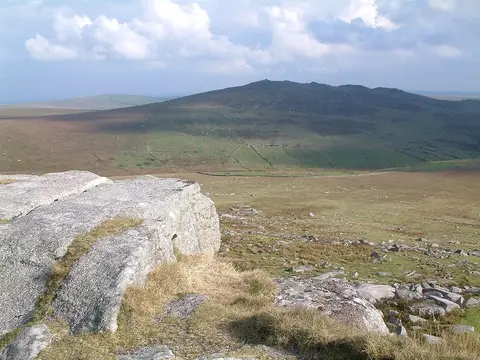
Dark-sky moorland, wooded combes and coast paths – the landscape where the Beast is said to roam.
Where it’s reported
England Devon Somerset
Beast of Exmoor in the news
- The large, black big cat sighting in Blaenporth in July
- Big cat sighting left man spooked in west Wales village
Sources
First published · Updated