Field file · Spectral · Folklore
Strigoi
Also known as Strigoaică (female), Moroi, Vârcolac, Štrigon (Istria)
Restless dead and witch-spirits of Romanian village belief, feared as vampires and part of the folk backdrop to Dracula-style stories.
Strigoi are troubled spirits in Romanian folklore, said to rise from the grave, to shapeshift, to become invisible and to draw the life from their victims. The word derives from the Latin strix, a night-bird of ill omen, and is related to the verb a striga, “to scream.” Folklorists distinguish the strigoi viu, a living sorcerer; the strigoaică, a witch; and the strigoi mort, a dead person who returns, considered the most dangerous because he torments his own family until its members die.
Traditional belief held that people were likely to become strigoi if they were the seventh child of the same sex, died unmarried, took their own lives, were cursed by a witch or lived sinfully. Described features included a bald crown or a tail-like, hairy spine, and a fear of garlic and incense. Drought, hail and failing milk were blamed on them. Regional names include moroi in Wallachia and western Transylvania.
Written sources are scattered. Dimitrie Cantemir’s Descriptio Moldaviae (1714–1716) described them as witches or warlocks rather than blood-drinkers, and the ethnographer Teodor Burada recorded burial customs in 1882. Elsewhere, Johann Weikhard von Valvasor described the Istrian villager Jure Grando, called a štrigon, who was said to have returned from the grave after his death in 1656 until villagers beheaded him in 1672; it is considered the first written account of a vampire.
Remedies in the villagers’ accounts included putting a stake or thorn through the heart, beheading and burying the body face down, or digging up the corpse and burning its heart. Some of these customs were reported into the twentieth century, and a case in 2004 in Dolj County, in which a family exhumed and burned a relative’s heart, led to a court sentence. Many Romanians treat the belief now as folklore, and it differs from the fictional Count Dracula of Bram Stoker’s novel.
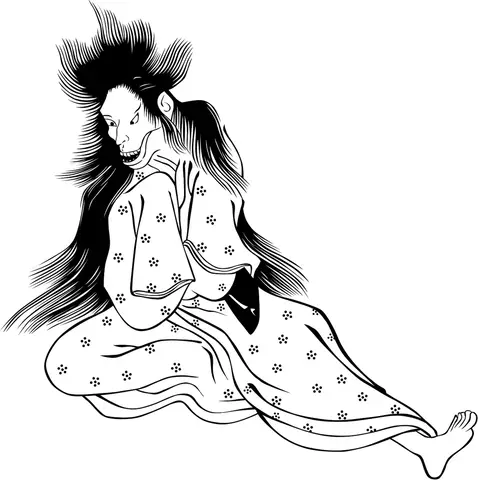
What does Strigoi look like?
In tradition the strigoi may look like a living person, a pale corpse that has not decomposed, or an animal (cat, dog, owl); the living strigoi is marked by a hairy or tail-like spine and a bald crown.
Where is Strigoi seen?
Villages, graveyards and crossroads in rural Romania, especially after a suspicious death, around St Andrew’s Night (30 November) and in times of drought.
Strigoi sightings
- 1656Jure Grando of Kringa Kringa, Istria
According to tradition, the villager Jure Grando returned from the grave as a štrigon and knocked on doors; villagers eventually beheaded him in 1672. Valvasor wrote about the case.
- 1714–1716Cantemir’s Moldavia Moldavia
Dimitrie Cantemir’s Descriptio Moldaviae described strigoi as witches and warlocks, mainly in Moldavian and Transylvanian belief.
- 1882Burada’s ethnography Romania
Teodor Burada wrote about strigoi and burial customs in his study of Romanian funeral traditions.
- 2004Marotinu de Sus case Dolj County
Relatives were reported to have dug up an uncle’s coffin, burned the heart and been sentenced for disturbing the dead. The account is cited with limited sourcing.
Is Strigoi real? What could explain it
- Bodies that do not decompose as expected, bloating, or seeming growth of hair and nails can be explained by decomposition and burial conditions, and fed the belief that the dead were still active.
- Epidemics, such as tuberculosis and other diseases that killed several family members one after another, were attributed to a returning dead relative.
- Folklorists see the strigoi as part of a ‘micro-system’ of beliefs about witches and the unquiet dead that explains drought, illness and misfortune.
Legend, culture and tourism
The strigoi is part of Romanian folk heritage and a staple of horror fiction, and tourism around ‘Dracula’s Transylvania’ draws on it, though Stoker’s count is a literary invention. Scholars are still collecting living narratives from Transylvania and Romanian communities abroad.
Where it’s reported
Sources
First published · Updated