Country file · Europe
Cryptids of Sweden
What cryptids are in Sweden? The best-known are Storsjöodjuret, Skvader and Nøkken.
Sweden’s great monster lives in the very middle of the country, in Storsjön, “the Great Lake,” of Jämtland. Storsjöodjuret – the Great Lake Monster – has an unusually long paper trail: a manuscript of 1635 describes a lake serpent bound to the bottom by a rune-master’s spell carved on the Frösö Runestone, which still stands on the island of Frösön. Later folk tales told of two trolls who brewed the creature in a cauldron on the shore.
- 3 cryptids
- 10 recorded sightings
Cryptids reported in Sweden
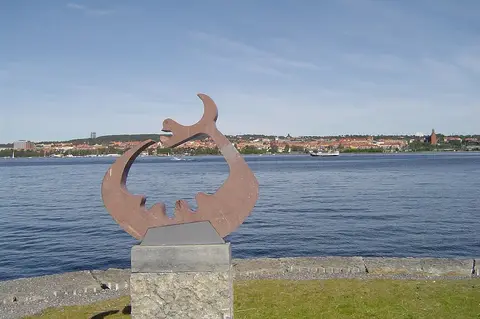
Storsjöodjuret
Sweden’s Great Lake Monster, a dog- or cat-headed serpent said to swim Storsjön – once hunted with a royal-backed trap and even legally protected. Regional legend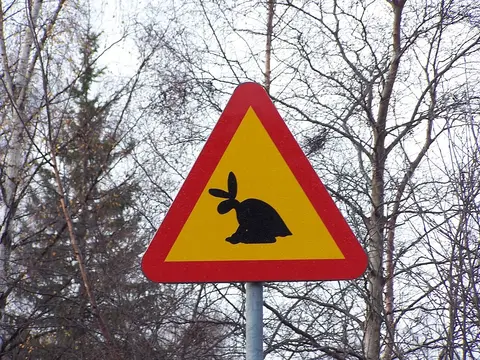
Skvader
Sweden’s winged hare: a hunter’s tall tale turned into a taxidermy hybrid of hare and wood grouse in 1918, now a beloved symbol of Sundsvall. Hoax / debunkedNøkken
Nøkken, the shape-shifting water spirit of Denmark and Scandinavia: a fiddler in lakes and streams who lures children and women, and a brook horse. FolkloreThe legends of Sweden
Sightings multiplied in the 19th century, and in 1894 a local company, backed by King Oscar II, tried to catch the monster with a giant iron trap baited with a pig. It failed, to national amusement, but the trap survives in the Jamtli museum in Östersund. In 1899 the naturalist Peter Olsson published 22 eyewitness accounts, and in 1986 the county authorities even declared the creature a protected species – a status withdrawn in 2005. Hundreds of people claim to have seen it.
Swedish folklore also knows lake serpents (sjöormar), forest trolls and, in the forests of Småland, giant serpents called lindworms. Today Östersund embraces its monster wholeheartedly: there are official observation points around Storsjön, and a cheerful cartoon version named Birger is the city’s mascot.
Hotspots
- Storsjön and Frösön, Jämtland
The Great Lake and its central island, home of Storsjöodjuret and the Frösö Runestone.
- Jamtli, Östersund
The county museum, whose monster exhibition includes the giant 1890s trap.
- Vallsundet bridge and the Sunne church ruin
Two of the official observation spots around the lake, chosen where witnesses have reported sightings.
- Norra Berget, Sundsvall
The open-air museum that holds the original skvader, the winged hare.
Sightings timeline
- 1635The serpent bound by runes Storsjöodjuret
Morten Pedersen Herdal’s manuscript describes a lake serpent chained to the bottom by Kettil Runske’s spell on the Frösö Runestone – the earliest written trace of the legend.
- July 1857The iron-mill workers’ sighting Storsjöodjuret
Newspapers reported that workers at the Forssbacka ironworks saw a creature with a gleaming black head about the size of a large cat’s, moving like a sea serpent.
- 1874The tall tale Skvader
Håkan Dahlmark said that he had shot a winged hare in this year, a claim he told in the manner of a hunting joke.
- 1894The royal-backed hunt Storsjöodjuret
A company was founded to catch the monster, with the support of King Oscar II. Its giant baited trap caught nothing, and the cartoonist Albert Engström lampooned the attempt.
- 1899Peter Olsson’s report Storsjöodjuret
The naturalist Peter Olsson published a booklet collecting 22 eyewitness accounts and argued that the witnesses were describing an unknown aquatic mammal.
- 1907The painting Skvader
Dahlmark’s housekeeper gave him a joke painting of the creature made by her nephew; he later donated it to a local museum.
- 1918Granberg’s mount Skvader
Taxidermist Rudolf Granberg completed the hare-and-grouse mount which is still the best-known skvader.
- 1986A protected species Storsjöodjuret
The county administrative board declared the creature, its offspring and its nest protected by law. The protection was revoked in 2005.
- 1987Provincial animal vote Skvader
Many locals voted for the skvader as the province’s animal. The mountain hare, its front half, was chosen instead.
- August 2008Infrared footage Storsjöodjuret
A film crew claimed underwater cameras had captured a warm-bodied mass in the lake. The footage was not accepted as evidence of an unknown animal.