Type file · 38 cryptids
Other Strange Creatures
Bloodsuckers, death worms and the creatures that fit no other category.
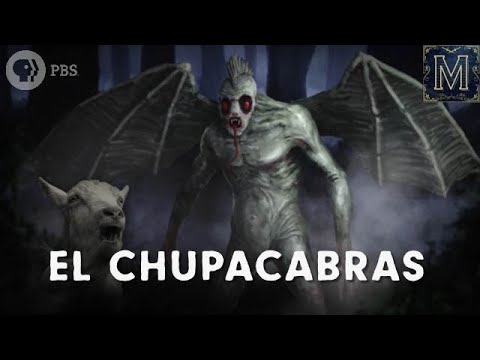
Some creatures refuse to fit any category, and they end up here. The modern star is the Chupacabra, the blood-draining “goat-sucker” of 1990s Puerto Rico, alongside the Gobi’s Mongolian Death Worm, Kenya’s Nandi Bear and Orkney’s skinless sea demon, the Nuckelavee. The group is also home to the “fearsome critters” of American lumber camps – the weeping Squonk, the Agropelter and the Hidebehind – and to deliberate jokes such as the Jackalope, Wisconsin’s Hodag and the Pacific Northwest Tree Octopus.
Because the creatures vary so much, so do the reports. Some begin with a dead animal and a frightening rumor, some with a traveler’s tale relayed through an interpreter, and others with a taxidermist’s workbench or a website built to teach students to check their sources.
Mange-stricken coyotes and dogs explain the hairless “chupacabras” found in Texas, while feral dogs account for most of the original livestock deaths. Sand boas have been put forward for the death worm, and hyenas and honey badgers for the Nandi Bear. Lumberjack critters, meanwhile, were never meant to be believed – they were tall tales told to tease newcomers and pass long winters in camp.
Every one on file
Chupacabra
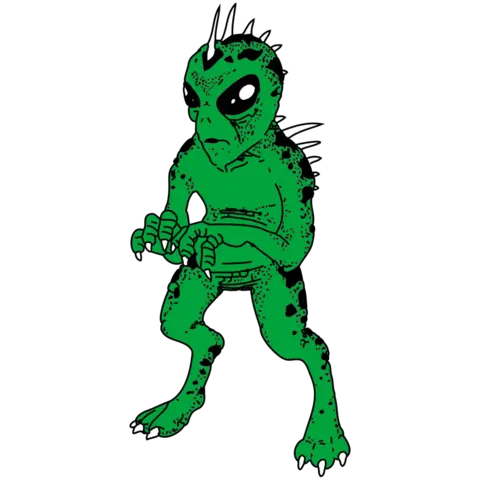
The “goat-sucker” of 1990s Puerto Rico: a spiny, bloodsucking beast blamed for livestock deaths that spread across Latin America and Texas. Widely reported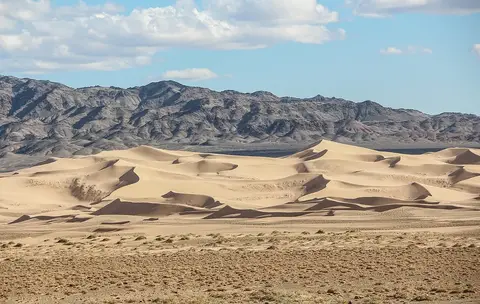
Mongolian Death Worm
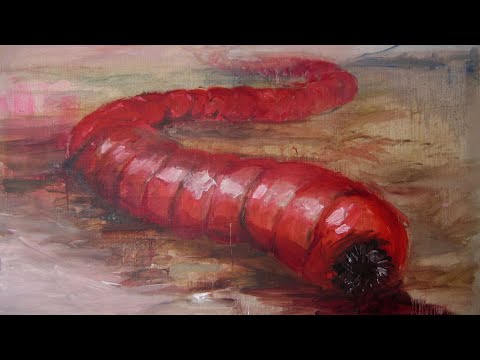
A blood-red, sausage-shaped worm said to lurk beneath the Gobi’s dunes and kill with venom or an electric jolt – Mongolia’s most famous desert legend. Regional legend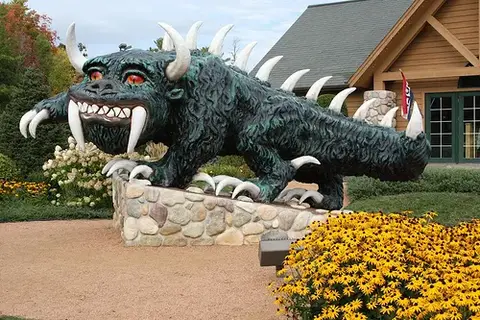
Hodag
A horned, spiny, grinning beast of Wisconsin logging-camp lore that prankster Eugene Shepard ‘captured’ in 1893 – now Rhinelander’s beloved mascot. Hoax / debunked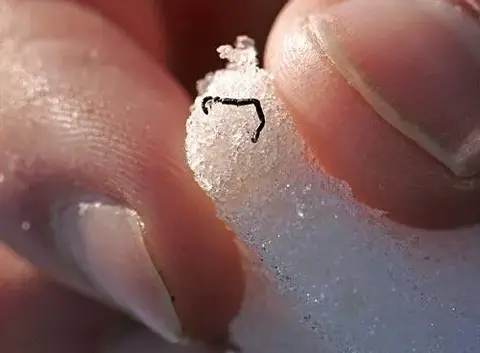
The Iceworm of Cordova
Alaska’s favorite tall tale: a worm the length of a man that lives in glaciers. The real ones are tiny, but Cordova still throws it a festival each winter. Folklore
Waitoreke
A small, otter-like swimmer reported in South Island rivers since Captain Cook’s day, in a country whose only native land mammals are bats. Regional legend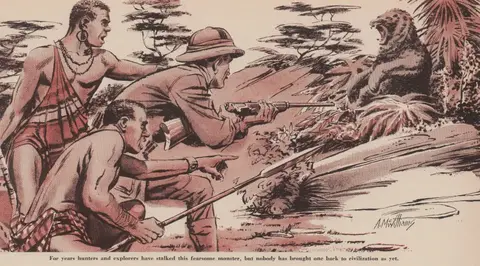
Nandi Bear
A ferocious, bear-like night raider of western Kenya’s highlands – Africa has no bears, so colonial-era sightings remain hotly debated. Regional legend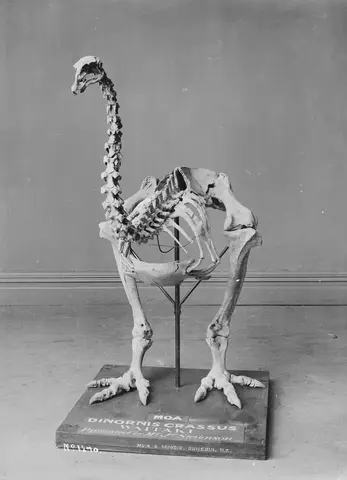
Surviving Moa
Claims that giant moa outlived their extinction around 1445 in the remote South Island, from 1820s tales to Alice McKenzie’s Fiordland sighting. Extinct animal?
Glocester Ghoul
A fire-breathing, winged, horned beast said to have chased treasure diggers from a Glocester, Rhode Island farm, a legend tied to the pirate Albert Hicks. Local legend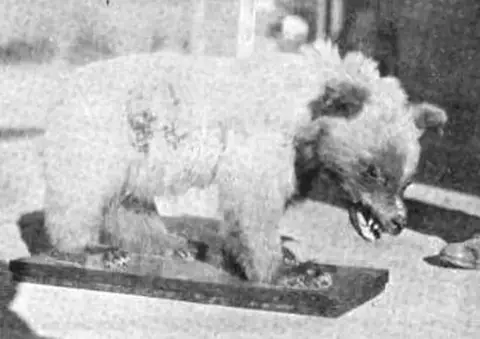
Lava Bear
Small, woolly ‘dwarf bears’ trapped in Oregon’s high-desert lava beds from 1917 to 1934, later judged stunted black bears and adopted as a school mascot. Regional legendSheepsquatch
A shaggy white beast with ram’s horns and a long, sheep-like face reported in West Virginia since the 1990s – heir to the state’s ‘White Thing’ tales. Local legend
Montauk Monster
A hairless, beaked carcass photographed on a Long Island beach in July 2008 became a viral ‘monster’ and was identified by most experts as a raccoon. Local legendEnfield Horror
A gray, three-legged creature with pink eyes reported in Enfield, Illinois, in 1973 – later a sociology case study in how monster panics spread. Local legend
Slipperyskin
A huge, trap-dodging bear-like creature said to have pestered settlers of Vermont’s Northeast Kingdom, and to have chased a governor. FolkloreChoccolocco Monster
In May 1969 a shaggy, big-headed beast was reported along backroads near Anniston, Alabama. Thirty-two years later a local man said he was the monster. Local legendTailypo
Star of a classic Appalachian and African American scary story: a creature whose tail is cut off and eaten, and who comes back to get it. Folklore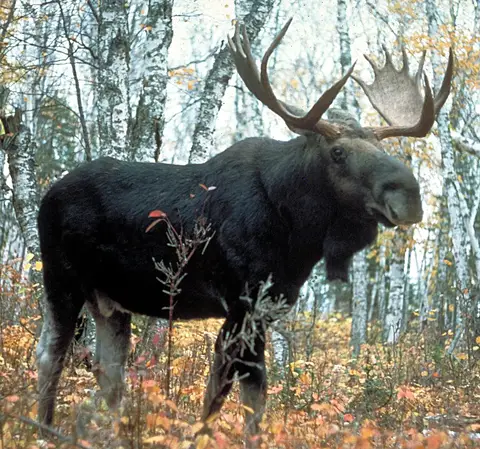
Specter Moose
A giant, ghostly white moose said to roam northern Maine since 1891, shrugging off hunters’ bullets and chasing sportsmen up trees, as old papers told it. Regional legend
Emela-ntouka
A one-horned, elephant-sized swamp beast of the northern Congo, said to gore elephants and buffalo – pegged by some as a surviving horned dinosaur. Local legend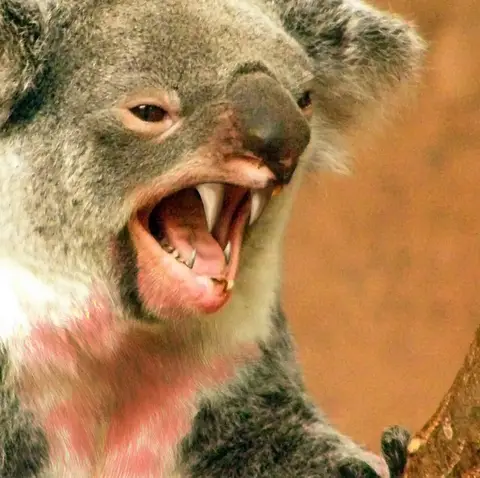
Drop Bear
Australia’s best-known tall tale: a fanged, koala-like ambush predator that drops on tourists. A joke with a real fossil cousin, Thylacoleo. Folklore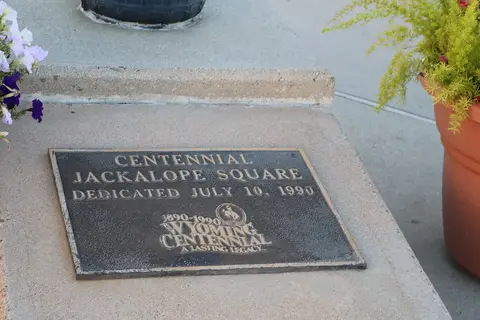
Jackalope
A jackrabbit with antelope antlers, born of a Douglas, Wyoming, taxidermy joke in the 1930s and now the West’s favorite tall-tale animal. Folklore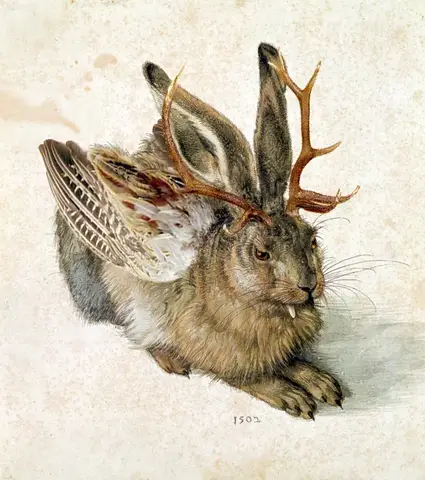
Wolpertinger
Bavaria’s tongue-in-cheek forest chimera – a horned hare with wings and duck’s feet – made by taxidermists, hunted by the gullible, loved by tourists. Folklore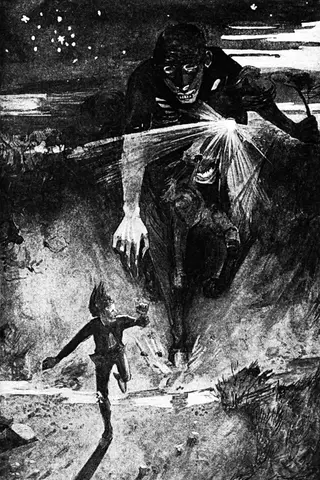
Nuckelavee
Orkney’s most dreaded sea demon: a skinless horse-and-rider monster blamed for blight, drought and plague, which could not cross running fresh water. Folklore
Naga Fireballs
Red lights that rise from the Mekong at the end of Buddhist Lent, credited by locals to the Naga serpent and by sceptics to flares or gas. Regional legendHogzilla
A hunting guide’s 2004 photo of a giant Georgia hog was called a hoax. A National Geographic dig found a real beast, though smaller than claimed. Local legend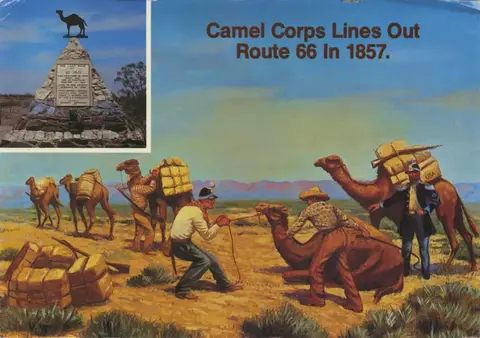
Red Ghost
A huge red camel carrying a bleached human skeleton is said to have trampled its way across 1880s Arizona before a farmer shot it in 1893. Folklore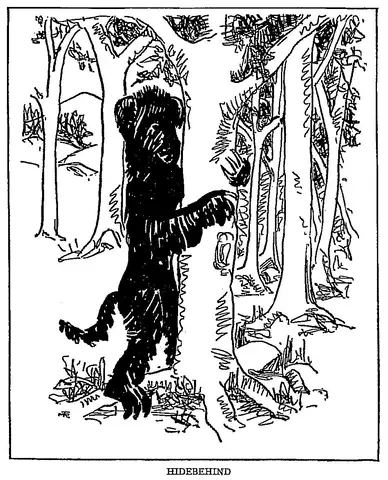
Hidebehind
A lumberjack-camp “fearsome critter” that stalks woodsmen but can never be seen, because it always slips behind a tree – or behind you. Folklore
Pacific Northwest Tree Octopus
A tree-climbing octopus said to live in the Olympic Peninsula rainforest – a famous 1998 internet hoax used to teach students to check sources. Hoax / debunked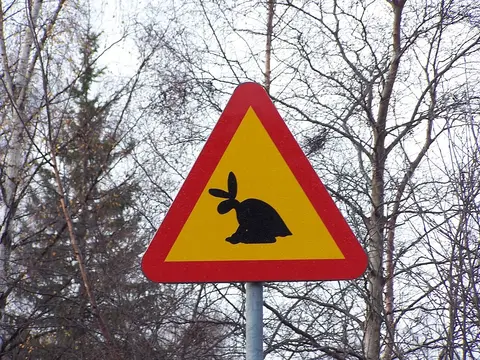
Skvader
Sweden’s winged hare: a hunter’s tall tale turned into a taxidermy hybrid of hare and wood grouse in 1918, now a beloved symbol of Sundsvall. Hoax / debunked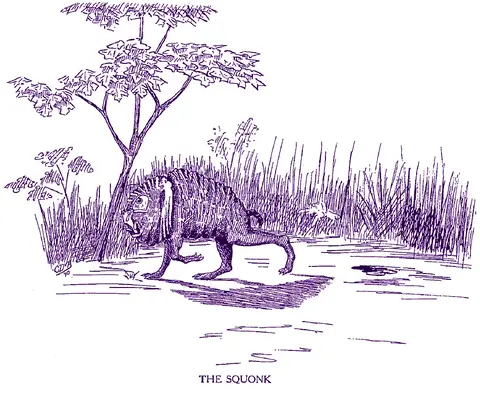
Squonk
A warty, miserable creature of Pennsylvania’s hemlock woods that weeps constantly and, if caught, dissolves into tears – a lumberjack tall tale. Folklore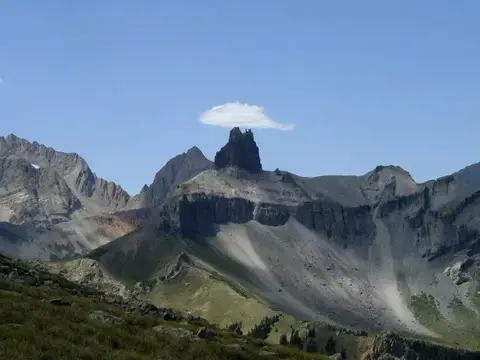
Slide-Rock Bolter
A giant, whale-like beast that hooks its tail over Colorado ridges and toboggans down to swallow tourists – a tall tale from the 1910 Fearsome Creatures. Folklore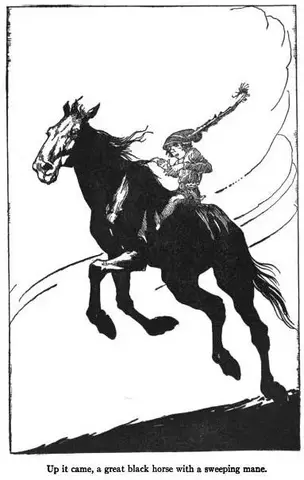
Púca
Ireland’s shapeshifting púca, usually a sleek black horse that carries riders on wild night rides – mischievous, sometimes helpful, tied to Samhain. Folklore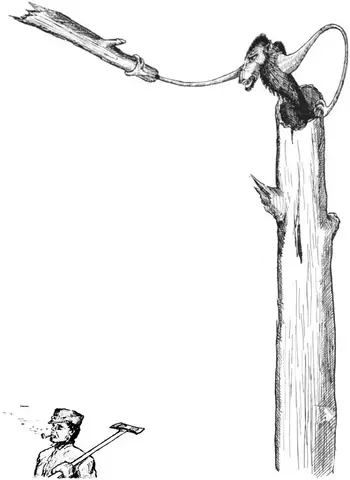
Agropelter
A wiry, ape-faced lumberwoods critter that hides in hollow trees and hurls dead branches at loggers – blamed for every “widow-maker” limb that fell. Folklore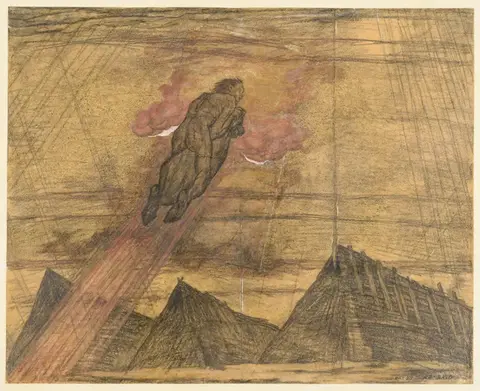
Kratt
Estonia’s kratt: a treasure-hauling servant made from hay or old tools, brought to life with three drops of blood – and a modern metaphor for AI. FolkloreAugerino
A corkscrew-shaped underground worm blamed by Colorado ranchers for leaking irrigation ditches and dams; a classic tall tale of Middle Park. FolkloreKludde
Kludde, the shape-shifting back-rider of Flemish folklore: a chain-rattling black dog, horse or tree with two blue flames that dunks night walkers. FolkloreKharisiri
A fat-stealing bogeyman of the Andes, thought by many to be a real danger, that anthropologists read as a story of fear of outsiders and exploitation. Regional legend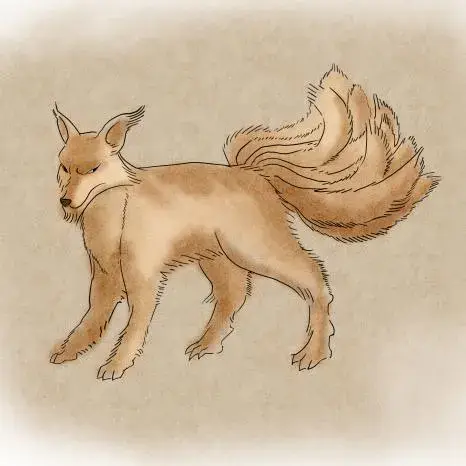
Kumiho
Korea’s nine-tailed fox, a shape-shifter that seduces men in medieval tales and legends – now a staple of Korean drama and film. Folklore