State file · PA
Cryptids of Pennsylvania
What cryptids are in Pennsylvania? The best-known are Bigfoot, Jersey Devil, Thunderbird and Squonk, among 10 on file.
Pennsylvania’s steep, forested ridges and valleys – from the Allegheny National Forest in the northwest to the Laurel Highlands and the vast state forests of the north-central “Pennsylvania Wilds” – make it one of the busiest Bigfoot states in the East. Westmoreland County investigator Stan Gordon documented a remarkable wave of reports in 1973, when residents described large hairy creatures and strange lights in the sky, and the same county is home to Kecksburg, where a fireball and a reported crash in December 1965 inspired a long-running UFO festival.
- 10 cryptids
- 12 recorded sightings
Cryptids reported in Pennsylvania
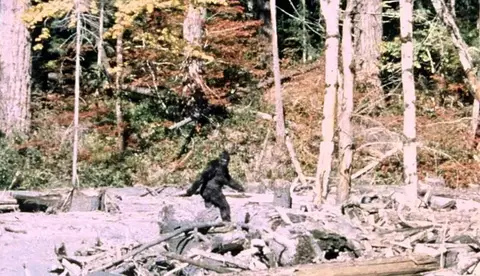
Bigfoot
North America’s most famous cryptid: a huge, hairy, upright ape-like being reported from the Pacific Northwest to Florida since the 1958 “Bigfoot” tracks. Widely reported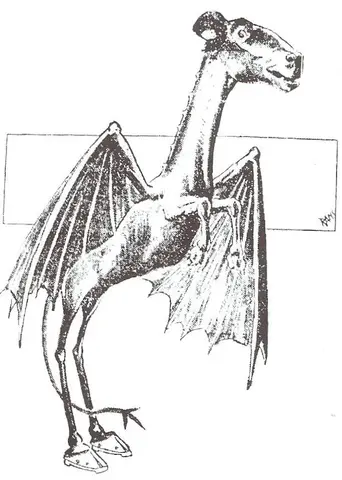
Jersey Devil
A winged, hoofed devil said to have been born to “Mother Leeds” in the Pine Barrens, and the star of a week of panic across South Jersey in January 1909. Regional legend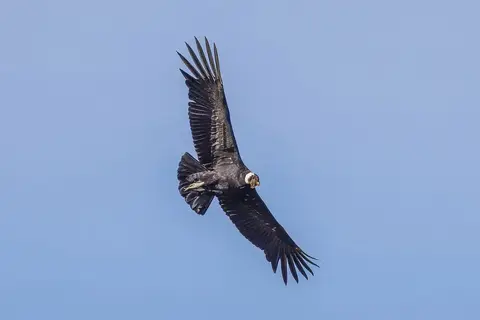
Thunderbird
A giant bird with a wingspan said to rival a small plane, reported over Pennsylvania’s Black Forest and blamed for lifting an Illinois boy in 1977. Regional legend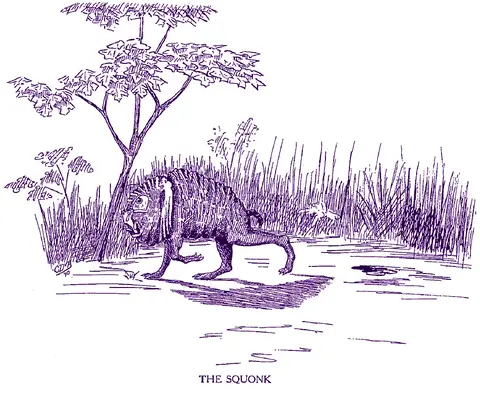
Squonk
A warty, miserable creature of Pennsylvania’s hemlock woods that weeps constantly and, if caught, dissolves into tears – a lumberjack tall tale. Folklore
Albatwitch
A small, apple-loving ‘little Bigfoot’ said to lurk in the treetops around Chickies Rock above the Susquehanna River in Columbia, Pennsylvania. Local legend
Raystown Ray
A shy, supposedly plant-eating serpent of Pennsylvania’s Raystown Lake, unveiled in a 2006 tourism press release and a fisherman’s blurry photo. Local legendGiwoggle
A witch-conjured, wolf-shaped prankster with bird claws and horse hooves from Clinton County, Pennsylvania, named the county’s official monster in 2011. Folklore
Bessie
A 30- to 40-foot serpent said to swim Lake Erie, reported by sailors since 1817 and dubbed “South Bay Bessie” in a 1989 Ohio newspaper contest. Regional legend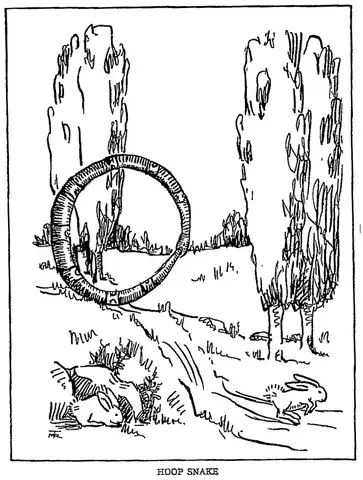
Hoop Snake
A legendary snake that bites its own tail and rolls downhill like a wheel to chase its victims, striking with a venomous tail that kills trees. FolkloreTommyknockers
Little mine spirits brought from Cornwall to the American West, said to knock in Colorado’s gold and silver mines – warning, teasing or guiding the miners. FolkloreThe legends of Pennsylvania
The state is also the center of modern Thunderbird lore. In the Black Forest of Potter and Clinton counties, writers such as Robert Lyman recorded accounts of enormous dark birds with wingspans said to rival small aircraft, and reports have continued sporadically since. Ornithologists suggest misjudged turkey vultures, eagles and herons, whose size is easy to overestimate against an empty sky.
Pennsylvania’s lumber camps contributed one of the gentler “fearsome critters” of American folklore: the squonk, a shy, warty creature of the hemlock forests said to dissolve into tears when caught, first written up by William T. Cox in 1910. Raystown Lake in Huntingdon County has a monster nickname of its own, “Raystown Ray.” The Jersey Devil also strays across the Delaware River: during the January 1909 scare, Philadelphia-area residents reported tracks and sightings too. Skeptics point to black bears – the state has a large population – and to hoaxes and wishful thinking.
Hotspots
- Allegheny National Forest
Northwestern Pennsylvania’s large national forest with frequent Bigfoot reports.
- Black Forest, Potter and Clinton counties
Remote north-central woodland at the heart of Pennsylvania’s Thunderbird stories.
- Chestnut Ridge, Westmoreland County
Ridge country of the 1973 Bigfoot and UFO wave.
- Kecksburg
Village of the 1965 UFO incident and its annual festival.
- Pine Creek Gorge
The “Grand Canyon of Pennsylvania,” amid the remote Pennsylvania Wilds.
Sightings timeline
- February 1909Rooftop creatures in Lock Haven Giwoggle
While newspapers were full of the Jersey Devil scare, residents reported tracks on roofs and a creature on downtown rooftops, and newspapers speculated that the Giwoggle might be responsible.
- 1910Fearsome Creatures of the Lumberwoods Squonk
William T. Cox published the first description of the squonk, including the tale of J. P. Wentling’s capture near Mont Alto. The book collected tall tales told by loggers across the country.
- 1922Hiram Cranmer’s first sighting Thunderbird
Retired postmaster Hiram Cranmer said he first saw a giant bird this year and reported several more over the following decades, mostly in northern Clinton and southern Potter counties. He became the region’s best-known thunderbird advocate.
- 1939Fearsome Critters Squonk
Henry H. Tryon’s book retold the squonk legend with new details, helping keep the lumberjack critters alive for a new generation.
- 1956The tales reach print Giwoggle
George Rhone, who had heard the stories from his grandmother, published the Giwoggle and Loop Hill Ike tales in the folklore journal.
- 1976Genesis records “Squonk” Squonk
The British rock band included a song named after the creature on A Trick of the Tail, spreading the obscure Pennsylvania legend worldwide.
- February 2006The fisherman’s photos Raystown Ray
According to the visitors bureau, a local fisherman photographed a large dark shape below the surface from near the visitor center, taking a series of 25 to 30 pictures.
- April 2006Ray is announced Raystown Ray
The Huntingdon County Visitors Bureau released the photo with tongue-in-cheek quotes from lake staff, including a biologist’s verdict that Ray must be a vegetarian. Cryptozoology blogs spread the story within weeks.
- July 29, 2010Divers on the case Raystown Ray
An episode of Syfy’s Fact or Faked: Paranormal Files investigated the photo and local reports with sonar and divers, finding nothing conclusive.
- July 21, 2011Named Clinton County’s official monster Giwoggle
The county commissioners gave the Giwoggle official status as a way to celebrate local folklore.
- June 2012Campers in Chapman Township Thunderbird
Two girls camping in the Pennsylvania Wilds said a bird with an estimated 14-foot wingspan and a bare head swooped low over their camp. No further sightings followed.
- 2025Albatwitch Day’s eleventh year Albatwitch
The festival, organized around the Columbia Historic Preservation Society’s retelling of the legend, marked its eleventh year with talks, trolley rides to Chickies Rock and apple-themed treats. Organizers estimate 3,000 to 8,000 visitors a year.
Our reporting