Field file · Dogman & canine · Folklore
Lobisomem
Also known as Lobishomem, Zargão (Beira Baixa), Fate runner (corredor de fado)
Portugal’s lobisomem, a sorrowful werewolf: a cursed seventh son who must run a fate-bound round of crossroads, freed only by drawing his blood.
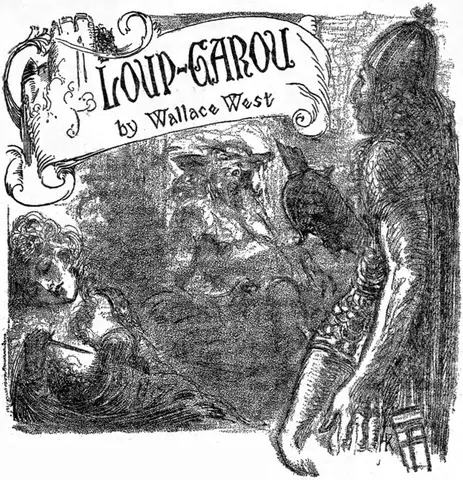
The lobisomem is the Portuguese werewolf, from lobo (wolf) and homem (man). In Portuguese tradition it is not necessarily a wolf: the cursed man can turn into any animal, through a curse or contact with the blood of another lobisomem. In the region of Beira Baixa the creature is known as the zargão.
Folk belief says the curse usually falls on the seventh son in a family of boys, appearing at about the age of thirteen (in some versions a family of all girls produces a witch instead). The cursed man becomes a “fate runner” (corredor de fado) who, on certain nights, must run past seven parish boundaries, churchyards or crossroads until he dies or someone breaks the spell. In one Beira Baixa tale a beggar said to be a lobisomem had to run past seven fortified cities.
Unlike many European werewolves, the Portuguese one is a sad figure who does not choose his fate and seldom kills; the community nevertheless fears him. People kept lights lit, said three Hail Marys, and believed the curse could be broken only by drawing a little of his blood, though the blood itself was contagious. A story collected from rural Portugal describes a priest, sacristan and elder meeting him at a crossroads near midnight, raising a cross and throwing holy water.
A rare modern account was published in the journal Folklore in 1942 by the folklorist Violet Alford, who relayed the memory of an English girl raised in Portugal. About 1917, she and her sister saw a large, dark, shaggy animal leap over a garden wall, and only later linked it to local gossip that a farmer’s son was a lobisomem.
What does Lobisomem look like?
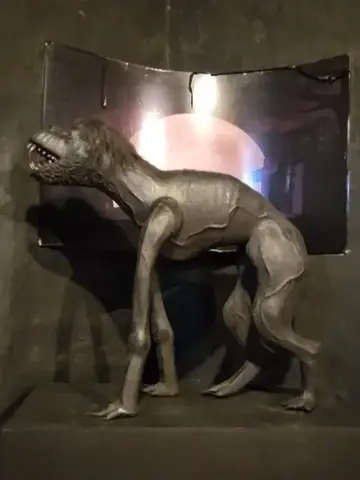
A man who becomes a dark, shaggy animal, usually a wolf or dog, at night; in human form often pale and weary.
Where is Lobisomem seen?
Country roads, crossroads, churchyards and parish boundaries in rural Portugal, at night.
Lobisomem sightings
- c. 1917Shaggy animal on a garden wall Portugal
An English girl raised in Portugal and her sister saw a large dark animal leap a wall and later linked it to the lobisomem; reported by Violet Alford in Folklore in 1942.
Is Lobisomem real? What could explain it
- Large guard dogs and shaggy herding dogs, common in rural Portugal and Spain, may account for the dark animals seen at night.
- The seventh-son belief is widespread in European and Latin American folklore and reflects fears about inheritance and family fate.
- Such stories served to explain wandering or disturbed individuals and to enforce curfew and church observance in village life.
Legend, culture and tourism
The Portuguese lobisomem travelled to Brazil, where it is a major folk figure, and remains common in Portuguese storytelling and horror.
Where it’s reported
Sources
First published · Updated