Type file · 19 cryptids
Flying Cryptids
Giant birds, winged humanoids and pterosaur-like creatures of the skies.
Flying cryptids tap one of the oldest fears there is: something large overhead, too fast to study and gone before anyone can find a camera. The category takes in giant birds such as the Thunderbird and the Texas Big Bird, winged humanoids like West Virginia’s Mothman and Cornwall’s Owlman, folklore hybrids like the Jersey Devil, and the supposed living pterosaurs of Africa and the Pacific, among them Zambia’s Kongamato and the glowing Ropen of Papua New Guinea.
Sightings tend to come in short, intense flaps. A first report hits the local paper, more witnesses come forward over the following days and weeks, and the wave fades as quickly as it arrived – the pattern seen in the Jersey Devil week of January 1909 and in Point Pleasant in 1966–67. Wingspans are often described in feet that would rival a small plane, but they are almost always estimated against an empty sky with nothing nearby to measure against.
That lack of scale is the key to most explanations. Turkey vultures, eagles, great blue herons, sandhill cranes and owls look enormous at close range or in poor light, and Africa’s shoebill and the region’s large fruit bats can seem prehistoric at dusk. Lights in the night sky are often aircraft or meteors. No pterosaur fossil is younger than about 66 million years, and no living bird can carry off a child – a claim at the center of the 1977 Illinois Thunderbird case.
Every one on file
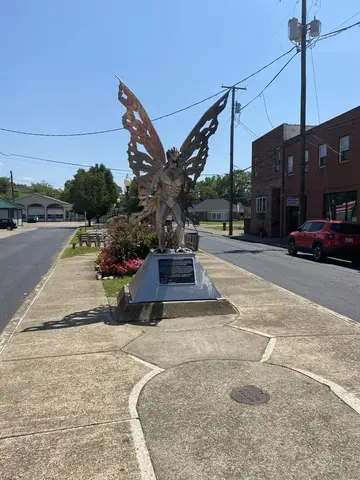
Mothman
A man-sized winged figure with glowing red eyes reported around Point Pleasant, West Virginia, in 1966–67 – now a festival, museum and steel statue. Regional legend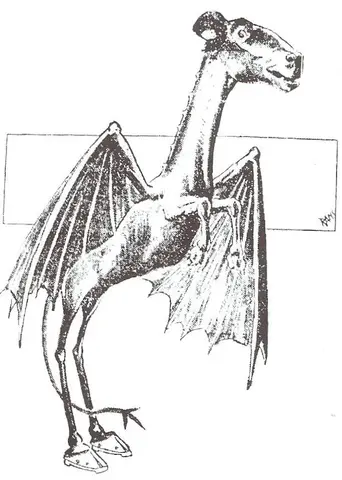
Jersey Devil
A winged, hoofed devil said to have been born to “Mother Leeds” in the Pine Barrens, and the star of a week of panic across South Jersey in January 1909. Regional legend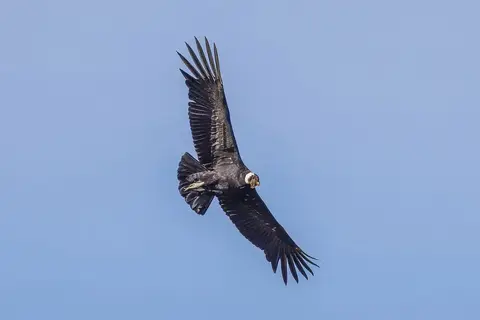
Thunderbird
A giant bird with a wingspan said to rival a small plane, reported over Pennsylvania’s Black Forest and blamed for lifting an Illinois boy in 1977. Regional legend
Batsquatch
A winged, ape-like creature with blue-tinged fur said to have landed in front of a stalled pickup near Mount Rainier in 1994 – part bat, part Sasquatch. Local legend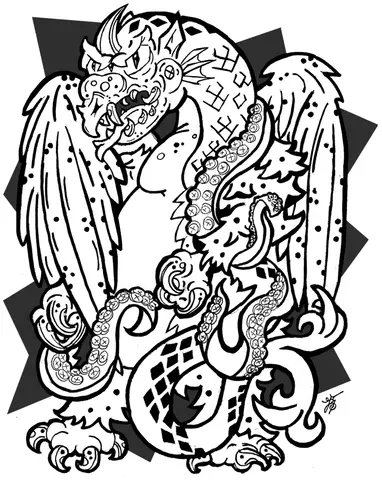
Snallygaster
A winged, beaked dragon of Maryland’s Blue Ridge: born of German settlers’ folklore and made famous by a 1909 newspaper hoax in the Middletown Valley. Regional legend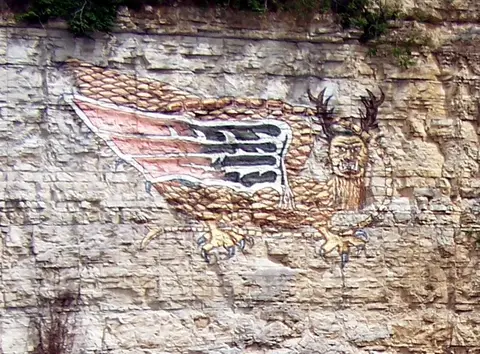
Piasa Bird
A winged, horned, man-faced monster painted on the Mississippi bluffs at Alton – first seen by Marquette in 1673 and reinvented by a storyteller in 1836. Regional legend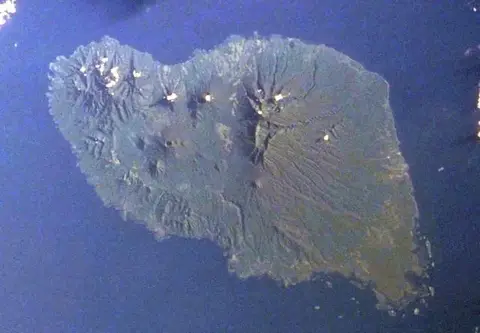
Ropen
A glowing, long-tailed night flyer of Umboi that creationist explorers hoped was a living pterosaur – and scientists blame on bats, birds and planes. Regional legend
Van Meter Visitor
A winged creature with a glowing horn said to have terrorized the small town of Van Meter, Iowa, for several nights in the autumn of 1903. Local legend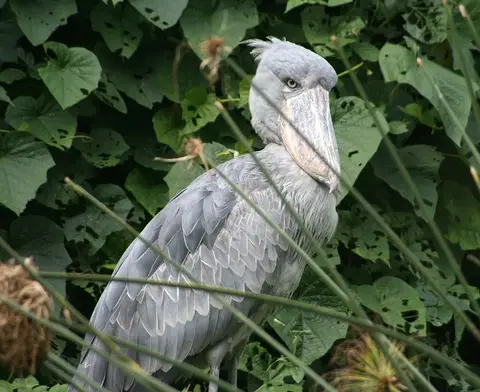
Kongamato
A red, leathery-winged flyer feared at river fords in north-western Zambia, made famous in 1923 when Kaonde men picked it out of a book of pterodactyls. Regional legendTexas Big Bird
A five-foot ‘bird’ with a huge wingspan and an ape-like face that set off a wave of sightings across South Texas’s Rio Grande Valley in early 1976. Regional legend
Moca Vampire
In 1975 a mystery killer left Puerto Rican livestock dead with puncture wounds; a tabloid named it “the Vampire of Moca,” 20 years before the chupacabra. Regional legend
Orang Bati
Winged, child-snatching beings said to fly from a mountain on Seram – a legend that has long overshadowed the real Bati people of the island’s interior. Folklore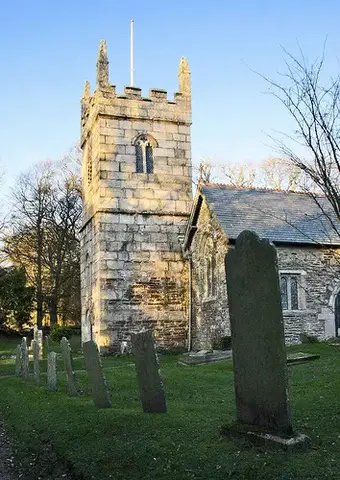
Owlman
A man-sized, owl-like figure reported over Mawnan church in Cornwall in 1976 – a modern legend shadowed by the showman who first publicised it. Local legendImpundulu
The ‘lightning bird’ of Zulu, Xhosa and Mpondo belief, a thunder-making witch’s familiar that can take human form; a living belief in southern Africa. Folklore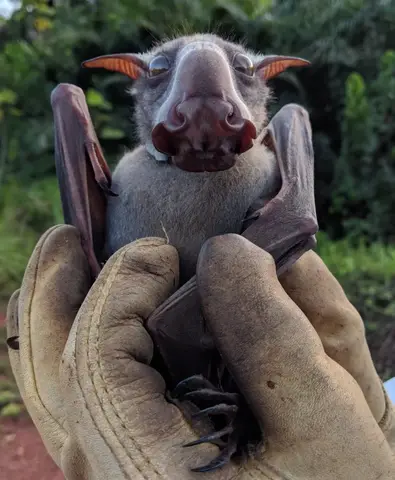
Olitiau
A huge black, toothy bat-winged flyer that swooped at naturalist Ivan Sanderson in Cameroon’s Assumbo Mountains in 1932 – and sent local hunters running. Local legend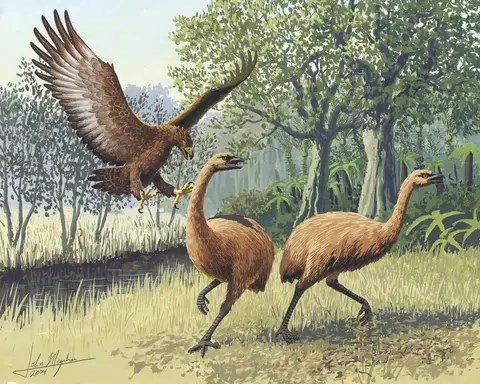
Pouākai
The giant man-killing bird of Māori tradition, widely identified with Haast’s eagle, the largest eagle known, which died out around 1445. FolkloreSimurgh
The Simurgh, the benevolent giant bird of Persian myth, who raised Zal in the Shahnameh and became a symbol across Iran and Central Asia. Folklore
Ahool
A giant, monkey-faced bat said to swoop over the waterfalls of Java’s Mount Salak, named after its eerie “a-hool” cry in the night. Regional legendPiuchén
A blood-drinking winged serpent of Mapuche and Chilote lore, long linked to the vampire bat and sometimes called a precursor of the chupacabra. FolkloreVideos
 59:41
Sojourners Along the Way: Mothman – The Investigation
 1:38
The Mothman of Point Pleasant (trailer)
 21:40
The “Mothman” Encounters, 1966–1967
 30:00
American Mythos: Episode 4 – Mothman
 1:33
John Huffer Thunderbird Footage
 19:35