Field file · Humanoid · Folklore
Kallikantzaros
Also known as Kallikantzaroi (plural), Skalikantzari, Karkantzelia, Kolovelonides
Greece’s Christmas goblins, said to emerge from underground in the Twelve Days to wreck homes until Epiphany holy water sends them back to the World Tree.
The kallikantzaroi (singular kallikantzaros) are mischievous, sometimes dangerous goblins in Greek folklore, with equivalents among Bulgarian, Serbian, Albanian, Turkish and Cypriot traditions. According to the belief, they live underground and spend the year sawing at the great tree that holds up the earth. Each year, near Christmas, they climb up to the surface, just as the tree is about to fall, and the smell of festive food draws them away from their task.
From Christmas Eve until Epiphany on 6 January, the Twelve Days, they roam the villages and enter houses through chimneys. They are said to spoil food and drink, break furniture, extinguish fires and eat the Christmas pork. Their look varies by region: hairy and black, with goat or donkey features, tiny in some places and giant in others. In some areas their chief is called Mandrakoukos or Koutzos.
Households traditionally protected themselves in many ways: keeping the hearth fire burning through the twelve nights, burning old shoes or incense, scattering salt, hanging a pig’s jawbone, putting a cross near the fireplace or leaving ashes uncleaned. A sieve was left by the chimney, because the goblin could not count beyond two and would stay counting its holes until dawn. At Epiphany, the blessing of the waters sends the kallikantzaroi back below, where they find the tree healed and must begin again.
A belief in some districts held that children born between Christmas and Epiphany, especially unbaptised ones, risked becoming kallikantzaroi, and in places a baby’s nails were held to the flame. The folklorist Nikolaos Politis recorded many regional versions in 1904. The origin of the name is disputed; some propose a link with centaurs, others with Turkish words for a werewolf, and some scholars see an echo of ancient winter masked festivals.
What does Kallikantzaros look like?
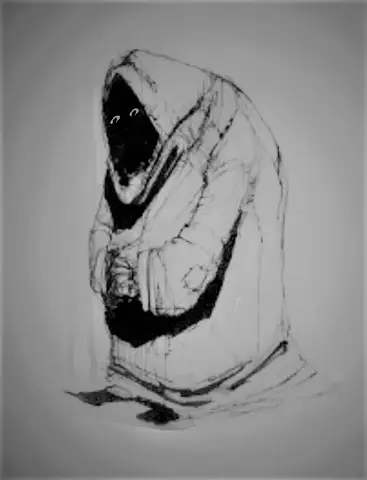
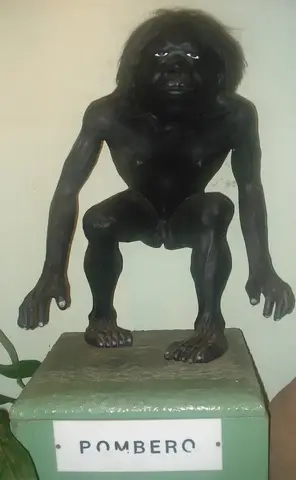
Usually small to human-sized, hairy and dark, with goat or donkey ears, glowing eyes, claws and a foul smell; regionally varied and in some tales giant or tiny.
Where is Kallikantzaros seen?
Underground for most of the year; surface, chimneys and village lanes during the Twelve Days of Christmas.
Kallikantzaros sightings
- 1904Politis’s collection Greece
Nikolaos Politis published regional accounts of the kallikantzaroi, an important written record of the tradition.
Is Kallikantzaros real? What could explain it
- The tradition personifies the dark midwinter and the dangers of the solstice season, and links with ancient winter festivals and masked processions, perhaps with a Dionysian ancestry.
- The customs of burning fires and keeping houses clean in the Twelve Days are practical rituals that structure a time of disorder.
- Folklorists treat the goblins as a seasonal form of the nightmare spirit or as figures that explain sudden misfortune in winter.
Legend, culture and tourism
Kallikantzaroi are a favourite subject of Greek Christmas stories, carnival costumes and children’s tales, especially in the Twelve Days. Traditions and the names vary widely across Greece, from Arcadia to Chios.
Where it’s reported
Sources
First published · Updated