FIELD FILE · KELPIELAKE & SEA MONSTERFOLKLORE
Kelpie
Also known as Water kelpie, Each-uisge (Gaelic water horse), Water horse
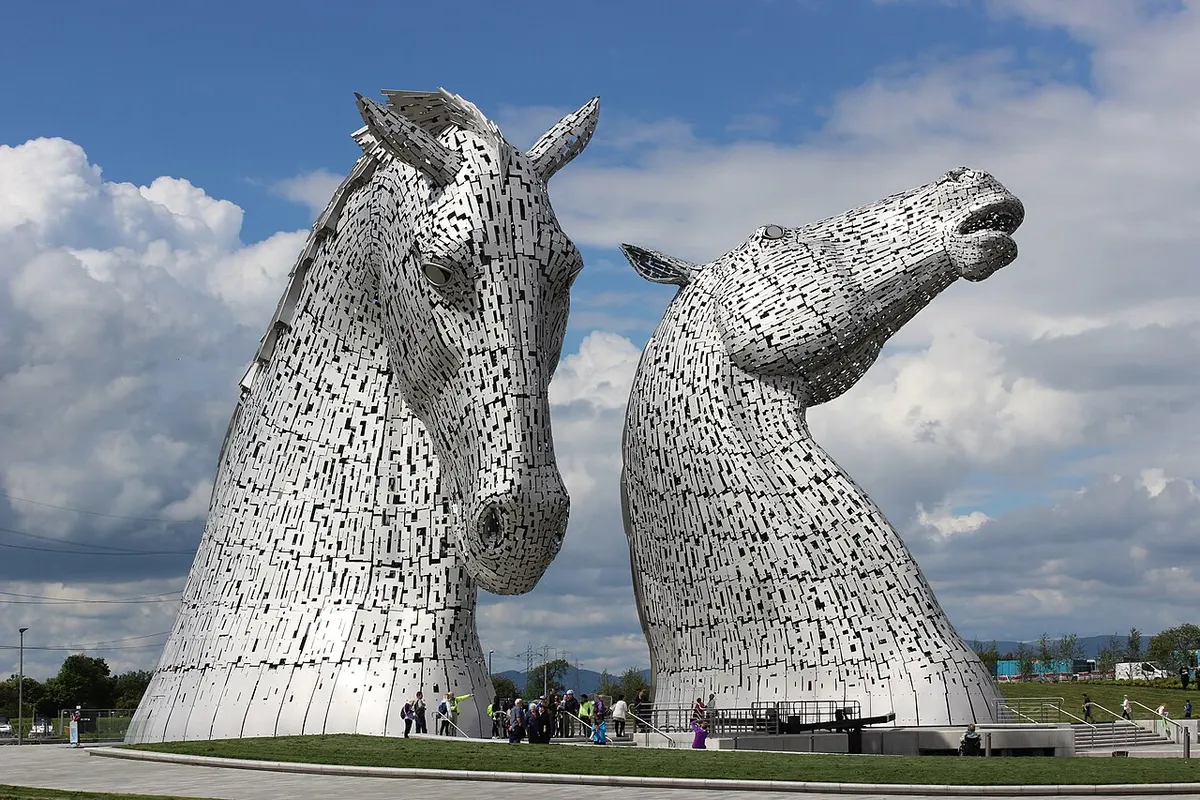
The shape-shifting water horse of Scottish folklore, luring riders into lochs and rivers – honoured today by the giant Kelpies sculptures at Falkirk.
The kelpie is Scotland’s most famous water spirit: a beautiful horse, often black, white or grey, that appears grazing beside a river or loch. It seems tame and invites travellers – or, in many stories, children – to climb on its back. Once they are mounted, they cannot get off, and the kelpie gallops into the deep water and drowns them. The word is Scots and may come from the Gaelic calpa or cailpeach, meaning a colt or heifer; it first appears in print in an 18th-century ode by the poet William Collins.
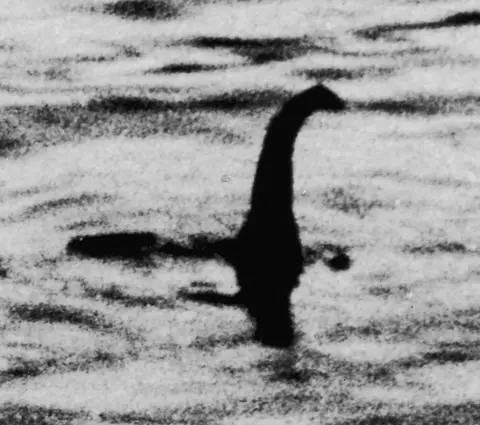
Scottish tradition knows two closely related creatures. Strictly speaking the kelpie haunts rivers and streams, while the even more dangerous each-uisge (“water horse”) lives in lochs and the sea. Of the each-uisge it was said that its skin turned sticky the moment it smelt water, and that after it devoured its victim only the liver floated to the surface. In practice the names overlap, and nearly every Highland loch once had its water-horse story – Loch Ness included.
Kelpies could also take human shape, often as a handsome young man, betrayed only by water weed or sand in his hair or by hooves where feet should be. That detail linked the kelpie to the Devil in Christian Scotland, and Robert Burns alludes to it in his 1786 poem “Address to the Deil”. A kelpie could be tamed by anyone who managed to put a bridle on it, and some tales tell of farmers forcing a captured water horse to plough or haul stones.
Folklorists see kelpie stories as cautionary tales – warnings to keep children away from fast rivers and deep, cold lochs, and to keep young women wary of charming strangers. In the 20th century the old water horse fed directly into lake-monster lore, and in 2013 it gained a spectacular modern form in The Kelpies, Andy Scott’s 30-metre steel horse heads beside the Forth and Clyde Canal at Falkirk.
- Status
- Folklore
- First reported
- Pre-1759
- Best-known location
- Rivers and lochs throughout Scotland
- Also called
- Water kelpie, Each-uisge (Gaelic water horse), Water horse
What witnesses describe
Usually a sleek, powerful horse with a coat that is always wet or dripping, sometimes with a mane like seaweed or reversed hooves. In human form, a handsome man (or occasionally a woman) given away by water weed, sand or mud in the hair. Some stories describe its back stretching to carry several riders at once.
Where and when it’s seen
Fords, riverbanks, waterfalls and the shores of lochs across Scotland, especially in the Highlands and islands; the each-uisge was also associated with sea lochs and the sea.
Notable sightings
- Before 1759The word reaches print Scotland
William Collins mentioned the “Kaelpie” in his Ode on the Popular Superstitions of the Highlands of Scotland, written before his death in 1759 and published in 1788. It is the earliest recorded use of the word.
- 1786Burns’s “Address to the Deil” Ayrshire
Robert Burns included water-kelpies among the Devil’s haunts in his comic poem, reflecting how closely the creature had become tied to Satan in popular belief.
- October 2013The Kelpies are completed The Helix, Falkirk
Andy Scott’s pair of 30-metre steel horse heads was completed beside the Forth and Clyde Canal and opened to the public in April 2014. Modelled on Clydesdale working horses, they have become one of Scotland’s most photographed landmarks.
What could explain it?
- Cautionary folklore: the stories warned children away from dangerous water and explained drownings in rivers and lochs.
- Natural phenomena such as waterspouts, sudden spates and swirling currents may have been personified as a malevolent horse.
- Scholars have suggested echoes of ancient horse sacrifice and of pre-Christian water spirits, later recast as demonic.
- Water-horse lore helped shape 20th-century lake-monster reports, giving witnesses a ready-made idea of a beast in the loch.
Legend, culture and tourism
The kelpie runs through Scottish poetry, painting and fiction, from Burns and Walter Scott to modern fantasy novels. Artists such as Thomas Millie Dow and Herbert James Draper painted it as an alluring water maiden. Today it is best known through The Kelpies at The Helix park in Falkirk, which honour the heavy horses that once towed barges and worked Scotland’s farms and industries.
Places to visit
Andy Scott’s 30-metre steel horse heads, with guided tours that take you inside one of the sculptures.
Where it’s reported
Kelpie in the news
No recent headlines about the Kelpie. Our news desk checks every day — see all cryptid news.
Sources
First published · Updated