Continent file
Cryptids of Asia & the Middle East
The Yeti of the Himalaya, Japan’s yōkai and the wildmen of Central Asia.
Asia’s cryptids range across the highest mountains on Earth, the deserts of Central Asia and the rainforests of the tropics. The Yeti belongs among the wild and spirit beings of Himalayan tradition; the English label “Abominable Snowman” came from a garbled translation of a Sherpa term reported by the 1921 British Everest reconnaissance under Charles Howard-Bury. Its relatives include Mongolia’s Almas, China’s red-haired Yeren and Sumatra’s short, upright Orang Pendek. Japan adds its own strand of yōkai and mystery animals: the river-dwelling Kappa, the stubby snake called the Tsuchinoko, and lake monsters such as Issie, named in Nessie’s image.
Searches here have been ambitious. The Daily Mail sent a Snowman Expedition to the Himalaya in 1954, Edmund Hillary carried the Khumjung monastery’s “yeti scalp” abroad for study in 1960, and Chinese scientists mounted a large expedition into Hubei’s Shennongjia forests in 1977. Since 1990 expeditions have also crossed the Gobi in search of the Mongolian Death Worm, which Mongolian officials first described to the American explorer Roy Chapman Andrews in 1922.
The results have mostly pointed to familiar animals. The Khumjung scalp was shaped from serow hide, and a 2017 DNA study of nine “yeti” samples traced eight to Asian bears and one to a dog. Yeren remains have proved to come from bears, monkeys and people. The 2004 announcement of Homo floresiensis, a small extinct human found on the Indonesian island of Flores, gave fresh interest to local stories of the Ebu Gogo, though nothing suggests the species survived into recent times.
Choose a country
Cryptids of Asia & the Middle East

Yeti
The Himalaya’s “Abominable Snowman”: a Sherpa legend made global by footprint photos, monastery relics and DNA studies that kept finding bears. Widely reported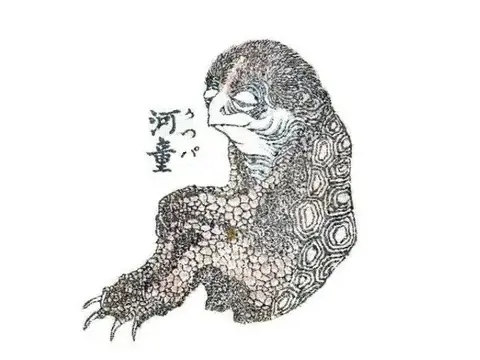
Kappa
Japan’s child-sized river imp, with a water-filled dish on its head and a love of cucumbers and sumo – once feared for drownings, now a beloved mascot. Folklore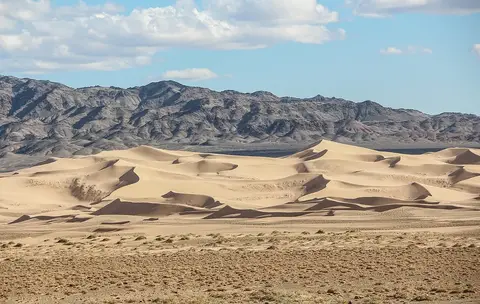
Mongolian Death Worm
A blood-red, sausage-shaped worm said to lurk beneath the Gobi’s dunes and kill with venom or an electric jolt – Mongolia’s most famous desert legend. Regional legendAlmas
Central Asia’s “wild man”: a hairy, human-like figure reported from the Altai and Gobi to the Pamirs and Caucasus, once hailed as a surviving Neanderthal. Regional legend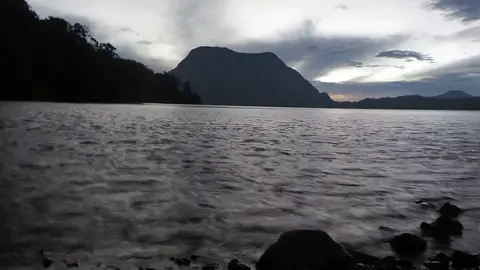
Orang Pendek
A short, powerfully built upright ape said to roam Sumatra’s Kerinci forests – the Southeast Asian cryptid taken most seriously by field researchers. Widely reported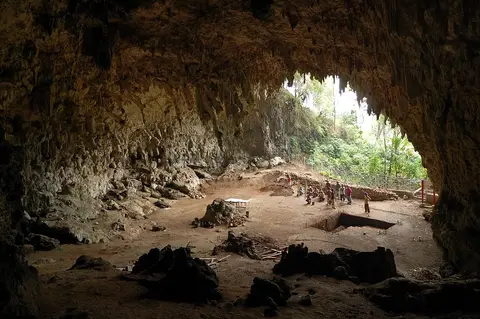
Ebu Gogo
Small, hairy “grandmothers who eat anything” from the folklore of Flores – a tale that drew new attention after the 2003 discovery of the hobbit. Folklore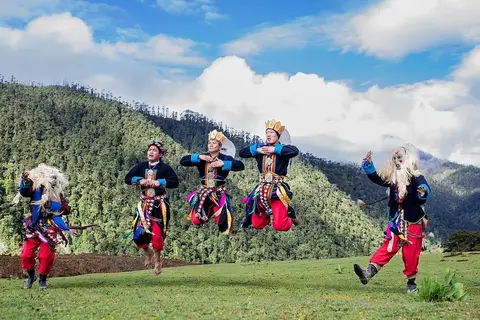
Migoi
Bhutan’s “strong man” of the high forests, a yeti-like being of Brokpa tradition with a wildlife sanctuary often said to be set aside for it. Regional legend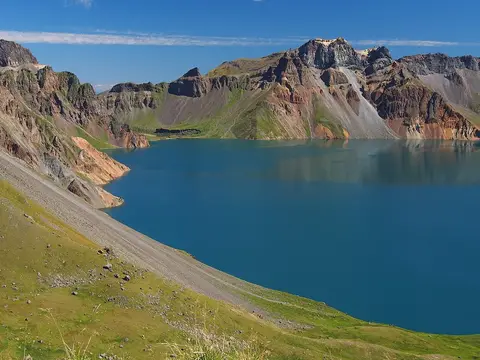
Lake Tianchi Monster
Dark shapes and seal-like heads reported in Heaven Lake, the deep volcanic crater lake on Changbai Mountain at the China–North Korea border. Regional legend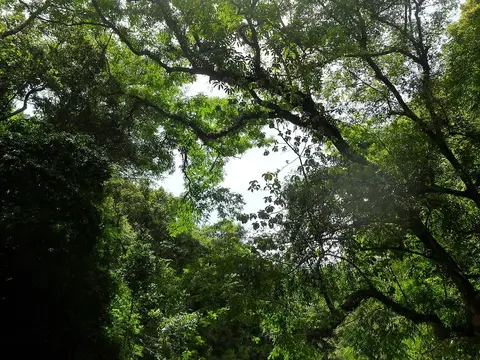
Batutut (Người Rừng)
Vietnam’s “forest people” – upright, hairy wildmen reported by highland villagers, wartime soldiers and a state-backed search that began in 1974. Regional legendYeren
China’s red-haired “wildman” of the Shennongjia forests in Hubei, the subject of state-backed expeditions since a famous roadside sighting in 1976. Regional legend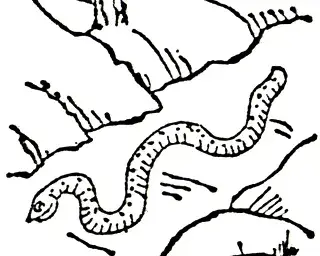
Tsuchinoko
A fat-bodied, short-tailed snake said to leap, roll and even speak – Japan’s favorite cryptid, hunted every spring for prizes worth millions of yen. Regional legend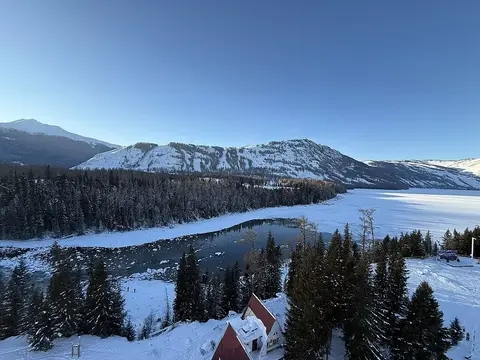
Lake Kanas Monster
Huge red shapes said to haunt Kanas Lake in Xinjiang’s Altai Mountains – a legend most scientists now credit to giant taimen, the world’s largest salmon. Regional legendNittaewo
Sri Lanka’s small clawed hairy people from Veddah lore, said to have been wiped out in a cave about 250 years ago – or never to have existed. Local legend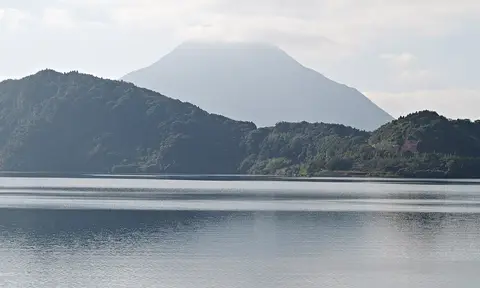
Issie
The “Nessie” of southern Kyushu, seen as dark humps in Lake Ikeda, a deep volcanic crater lake that really is home to enormous eels nearly two meters long. Regional legend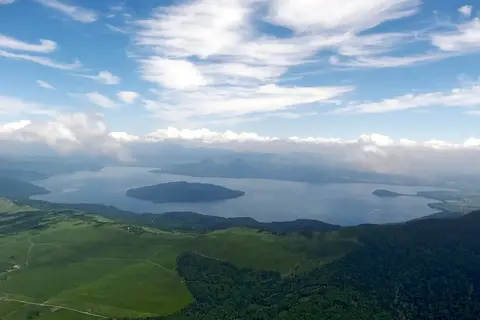
Kussie
Hokkaido’s answer to Nessie: a humped creature reported in Lake Kussharo, Japan’s largest caldera lake, during a wave of sightings in the 1970s. Regional legendBarmanou
A hairy wild man of Pakistan’s Chitral and Karakoram valleys, known in folk tales and studied in the 1990s by zoologist Jordi Magraner. Regional legend
Hibagon
A gorilla-like ape-man reported around Mount Hiba in Hiroshima in the early 1970s – so many calls came in that the town hall opened an “ape section.” Regional legend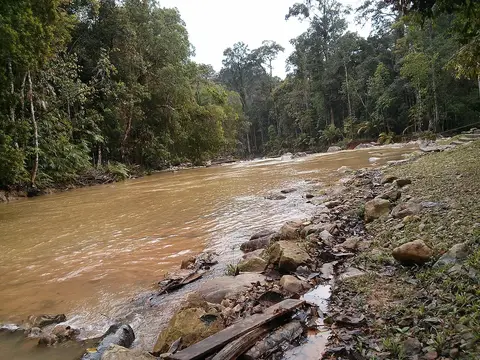
Orang Mawas
Malaysia’s “Bigfoot”: a towering, hairy forest giant of Johor whose reported 2005 sighting sparked an official state expedition in 2006. Regional legend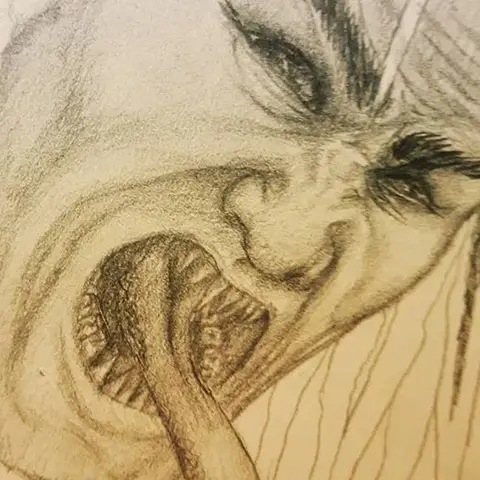
Aswang
The shape-shifting ghoul, vampire and witch of Filipino folklore, feared since Spanish times and closely tied to the province of Capiz. Folklore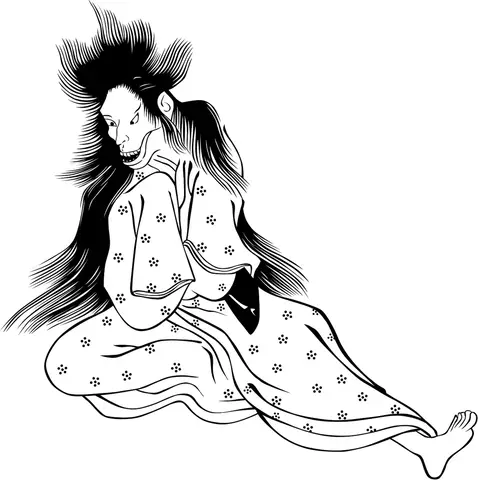
Kuchisake-onna
Japan’s mask-wearing ‘Am I pretty?’ ghost, whose 1979 rumour sent schools sending children home in groups and police cars on patrol. Local legendMande Barung
A giant, hairy ape-man said to roam the forests of Meghalaya’s Garo Hills; hair collected there in 2008 turned out to belong to a goral. Local legend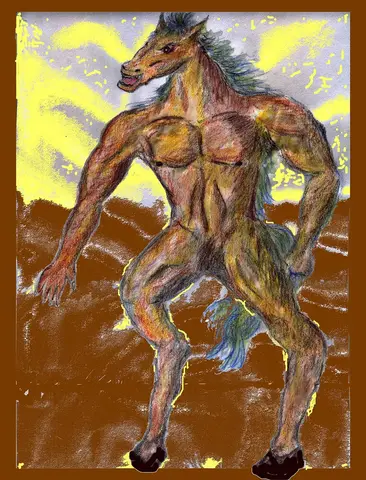
Tikbalang
The tall, horse-headed trickster of Philippine forests that leads travellers astray – and can be tamed by anyone who snatches its mane. Folklore
Naga Fireballs
Red lights that rise from the Mekong at the end of Buddhist Lent, credited by locals to the Naga serpent and by sceptics to flares or gas. Regional legend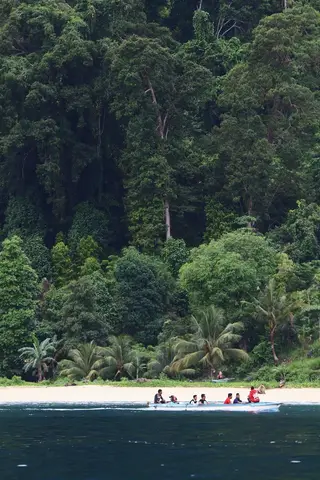
Orang Bati
Winged, child-snatching beings said to fly from a mountain on Seram – a legend that has long overshadowed the real Bati people of the island’s interior. FolkloreMore from Asia & the Middle East
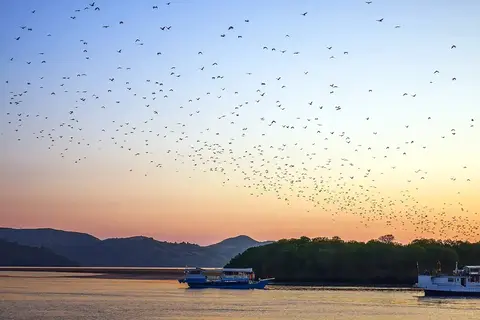 AhoolFlying · Mount Salak and the rainforests of western Java
BakunawaReptilian · Visayas and Bicol, Philippines
ImugiReptilian · Korea’s deep rivers, ponds…
KrasueSpectral · Rural Thailand, Cambodia and…
KumihoOther · Korea’s mountains and villages
Lake Van MonsterLake & sea monster · Lake Van, eastern Turkey
Mô-sîn-áHumanoid · Mountains and forests of…
NingenLake & sea monster · Southern Ocean off Antarctica
NueOther · Kyoto Imperial Palace and…
PontianakSpectral · Malay World – Malaysia…
SimurghFlying · Mount Alborz, Iran
Zhalmauyz KempirHumanoid · Kazakh steppe