Field file · Humanoid · Folklore
Aswang
Also known as Asuwang, Uswang, Mandurugo, Manananggal (viscera-sucker variant)
The shape-shifting ghoul, vampire and witch of Filipino folklore, feared since Spanish times and closely tied to the province of Capiz.
The aswang is an umbrella term in Philippine folklore for several shape-shifting, human-eating or illness-causing beings. Folklorist Maximo Ramos grouped them into five types: the blood-sucking vampire, the viscera-sucker that detaches its upper body at night (the manananggal), the weredog, the witch, and the corpse-eating ghoul. Aswang are said to live inside communities as ordinary neighbours by day, which is a large part of their fear. They are most strongly associated with the Visayas, southern Luzon and the island of Panay, and the province of Capiz is nicknamed their ‘home.’
Written references are old. In 1589, the Spanish friar Juan de Plasencia described several creatures in Customs of the Tagalogs, including the osuang of the Visayas, which flew and ate human flesh, and a Catanduanes being that separated its head and entrails at night (which Plasencia himself suggested might be a fable). Colonial writers recorded aswang as the most feared of the islands’ supernatural beings.
Protection customs are varied: salt, ash, spices, vinegar and holy objects, bright lights and noise at wakes, thorny or bladed barriers around houses, and anti-aswang oil prepared from coconut. Belief persists, and aswang stories continue in school yards, on television and in films from the 1930s onwards. During the 1950s Huk rebellion, a US-advised psychological operation reportedly spread rumours of aswang attacks to frighten rebels, as described by historians.
Anthropologists see the aswang as a way of voicing suspicions about outsiders, women and the sick. The Philippine flying lemur and certain bats and birds make cries (‘tiktik’, ‘wakwak’) that fit the stories, and the genetic disorder X-linked dystonia parkinsonism, found among men from Panay, may have been interpreted in some places as sorcery, adding stigma. Modern examples include a 2019 TV investigation in Himamaylan, Negros Occidental, where cameras recorded only what a veterinarian thought was a fruit bat.
What does Aswang look like?
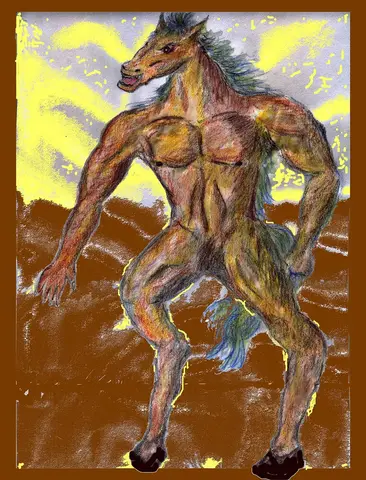
Usually a pleasant-looking person by day, but in the night form a winged, split-bodied woman, a large dog, boar or cat, or a long-nailed corpse-eater; tell-tale signs include red eyes, an inverted reflection and a foul smell.
Where is Aswang seen?
Villages, trees near cemeteries and jungle edges across the Visayas, Bicol and Mindanao; most active after midnight and near births and wakes.
Aswang sightings
- 1589Plasencia’s Customs of the Tagalogs Philippines
Spanish friar Juan de Plasencia recorded flying, flesh-eating sorcerers and other night creatures, among the earliest written descriptions.
- 1950sHuk rebellion psychological operation Central Luzon
According to historians, rumours of aswang attacks and drained bodies were used to scare insurgents.
- 2019Himamaylan investigation Himamaylan, Negros Occidental
A TV crew followed local rumours with cameras but recorded nothing; a veterinarian suggested the footage showed a fruit bat.
Is Aswang real? What could explain it
- Bats, flying lemurs (kagwang) and night birds with eerie cries have been mistaken for aswang.
- The belief may stigmatise misunderstood illness; the neurological disorder X-linked dystonia parkinsonism is common on Panay.
- Colonial-era moral stories, community suspicion of strangers and women, and deliberate rumours spread by authorities have all kept the figure alive.
Legend, culture and tourism
Aswang appear in Filipino horror films since the 1930s, in television series such as Trese, and in school folklore. Beliefs are still held in some provinces, so they are treated here as tradition.
Places to visit
Panay province nicknamed the aswang’s hometown; its seafood and Spanish-era churches draw visitors.
Where it’s reported
Sources
First published · Updated