FIELD FILE · HIBAGONHOMINIDREGIONAL LEGEND
Hibagon
Also known as Hiba ape-man, Hiba-gon
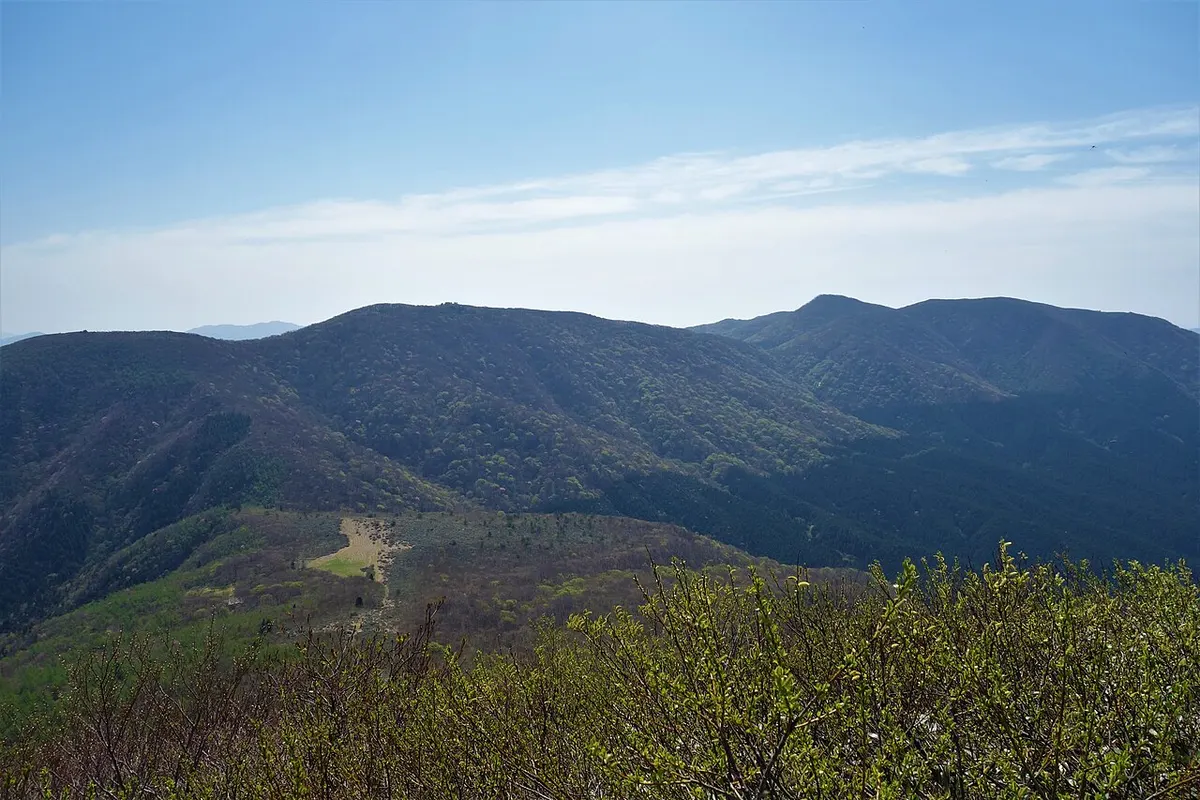
A gorilla-like ape-man reported around Mount Hiba in Hiroshima in the early 1970s – so many calls came in that the town hall opened an “ape section.”
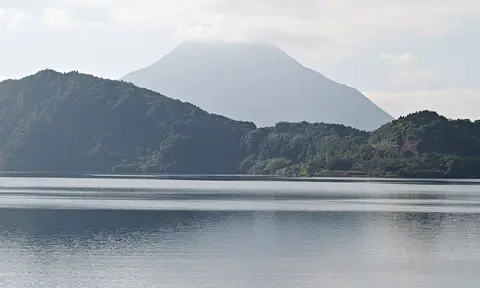
The Hibagon is Japan’s best-known “wild man,” an ape-like creature reported in the Hiba mountains of the Chūgoku range in northern Hiroshima Prefecture. The forested peaks around Mount Hiba, steeped in Shinto tradition as the legendary burial place of the goddess Izanami, lie close to the border with Shimane Prefecture; most sightings came from the farming town of Saijō, now part of Shōbara City.
The story began on the evening of July 20, 1970, when a truck driver crossing a bridge near the Rokunohara Dam saw a creature the size of a calf, built like a gorilla, cross the road and vanish into the trees. Within days other residents reported a hairy, big-headed figure walking through a rice paddy; a dozen sightings were logged that year, and in December footprints about 27 cm long were reportedly found in the snow on nearby Mount Azuma.
The media descended on the quiet district. The Saijō town office created an official “ape-man consultation” desk – nicknamed the Hibagon section – to handle the flood of inquiries, and witnesses were reportedly even given a small payment to compensate for the disruption of being interviewed. Universities and survey teams searched the mountains without finding the animal. Sightings peaked in 1974, when a photo showed a dark shape climbing a persimmon tree, but experts and even the witnesses judged it unconvincing. After a total of 29 reported sightings, the town declared the affair over in March 1975.
Copycat ape-men followed – the “Yamagon” near Fukuyama in 1980 and the “Kuigon” in Kui in 1982 – but the Hibagon remained the original. Half a century later it is the cheerful mascot of Saijō, and local media reported a revival of interest, and of sightings, around the 55th anniversary in 2025.
- Type
- Hominid
- Status
- Regional legend
- First reported
- 1970
- Best-known location
- Mount Hiba, Saijō (now Shōbara), Hiroshima
- Also called
- Hiba ape-man, Hiba-gon
- Reported in
- Japan
What witnesses describe
About 1.5–1.65 m tall and stocky, estimated at 85 kg, covered in black or dark brown hair. Witnesses described a large head with stiff hair, an inverted-triangle face, big glaring eyes, wrinkles on the forehead and a flat nose. Footprints measured about 27 cm.
Where and when it’s seen
Mixed forest and farmland around Mount Hiba, Mount Azuma and the Rokunohara Dam in Saijō, northern Hiroshima Prefecture. Most reports came between 1970 and 1974, often at dusk near roads and rice fields.
Notable sightings
- July 20, 1970The first sighting Near Rokunohara Dam, Saijō
A truck driver returning home in the evening saw a gorilla-like creature about the size of a calf cross the road in front of him. It was the first of a dozen reports that year.
- December 1970Footprints in the snow Mount Azuma area, Saijō
Large footprints, said to be about 27 cm long, were reported in fresh snow. December alone brought around a dozen sighting reports.
- August 15, 1974The persimmon-tree photo Nigorigawa, Shōbara
A resident photographed a dark creature climbing a persimmon tree. Experts suggested a monkey or bear, and witnesses themselves doubted it was the Hibagon.
- March 1975The town calls it off Saijō town office
After 29 reported sightings, the last in October 1974, Saijō declared the Hibagon incident over and closed its ape-man consultation desk.
What could explain it?
- A large Japanese macaque, especially an old male living apart from its troop, is the explanation most often proposed by zoologists.
- Asian black bears, which can stand upright and live in the Chūgoku mountains, may account for some sightings.
- At the time, rumors circulated of a gorilla escaped from a zoo about 90 km away, but no escape was ever confirmed.
- Intense national media coverage and the town’s own consultation desk encouraged further reports, a pattern seen in many cryptid “flaps.”
Legend, culture and tourism
Saijō turned its ape-man into a friendly mascot in 1999, and today Hibagon appears on local sweets, eggs, miso, green onions, buses and road signs. Novelist Shigematsu Kiyoshi’s Itoshi no Hinagon (2004) was inspired by the affair and filmed as Hinagon (2005). For the 55th anniversary in 2025, a Hibagon exhibition was held with Mu magazine, and a feature film, Hibagon Project, has been crowdfunded for release in 2027.
Places to visit
The Hibagon’s home town, where road stations and shops sell Hibagon goods and the old sighting sites lie along the mountain roads.
Beech forests and hiking trails on Mount Hiba and Mount Azuma, the heart of Hibagon country.
Watch
 ▶ VIDEO
「ヒバゴン」目撃から55年 企画展開催 広島・庄原市
広テレ!NEWS (Hiroshima TV)Japanese-language local news report on the 55th-anniversary Hibagon exhibition in Shōbara.
Where it’s reported
Japan Hiroshima
Hibagon in the news
No recent headlines about the Hibagon. Our news desk checks every day — see all cryptid news.
Sources
First published · Updated