Country file · Asia & the Middle East
Cryptids of the Philippines
What cryptids are in the Philippines? The best-known are Aswang, Tikbalang and Bakunawa.
The Philippines has one of Asia’s richest creature traditions, shaped by Austronesian belief, Hindu–Buddhist trade and Spanish colonisation. Spanish friars such as Juan de Plasencia (1589) recorded the first written descriptions of the aswang, the tikbalang and other night beings, and later folklorists such as Maximo Ramos classified them.
- 3 cryptids
- 9 recorded sightings
Cryptids reported in the Philippines
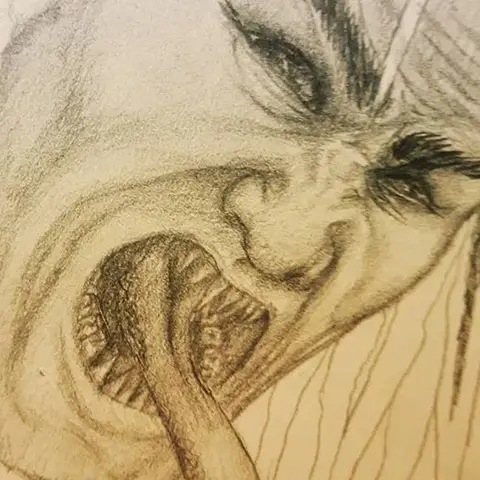
Aswang
The shape-shifting ghoul, vampire and witch of Filipino folklore, feared since Spanish times and closely tied to the province of Capiz. Folklore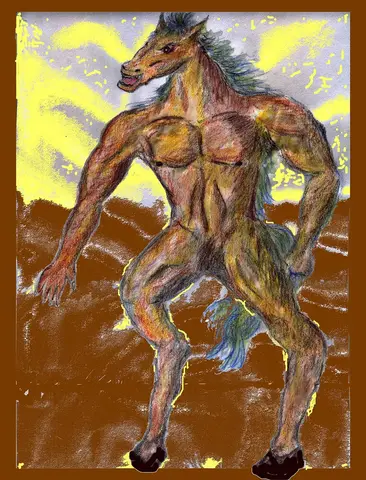
Tikbalang
The tall, horse-headed trickster of Philippine forests that leads travellers astray – and can be tamed by anyone who snatches its mane. FolkloreBakunawa
The great serpent of Visayan and Bicol myth that swallows the moon to cause eclipses, answered by banging pots and drums until it lets go. FolkloreThe legends of the Philippines
Most of these beings are folklore rather than cryptids in the Western sense: shape-shifters like the aswang and manananggal, the horse-headed tikbalang that leads travellers astray, and the moon-swallowing Bakunawa serpent that explains eclipses. Many are still part of living belief, from anti-aswang customs at wakes to noise-making during eclipses.
The islands’ dense forests, balete trees and Panay’s Capiz province, nicknamed the aswang’s hometown, provide the setting.
Hotspots
- Capiz, Panay
Province nicknamed the home of the aswang.
- San Mateo, Rizal
Town linked with an old Spanish-era tikbalang account.
- Panay and Cebu
Visayan islands where the Bakunawa myth was recorded.
Sightings timeline
- 1589Plasencia’s Customs of the Tagalogs Aswang
Spanish friar Juan de Plasencia recorded flying, flesh-eating sorcerers and other night creatures, among the earliest written descriptions.
- 1589Plasencia’s record Tikbalang
Juan de Plasencia’s Customs of the Tagalogs describes forest ghosts and spirits of the kind later called tikbalang.
- 1731Ortiz records the eclipse custom Bakunawa
Fr. Tomás Ortiz wrote that people rang bells and beat instruments during lunar eclipses to protect the moon from a dragon, while Tagalogs spoke of Laho.
- 1738–1744Franciscan chronicle Tikbalang
Juan Francisco de San Antonio’s Crónicas described a mountain being that changed form, including into a horse, and made bargains with people.
- About 1750The San Mateo boy Tikbalang
Juan José Delgado recorded a boy’s description of a tall, thin horse-faced figure with long ears and short horns, the first source for the horse-headed form.
- 1913Buyser’s ‘Bakunawa and the Seven Moons’ Bakunawa
Fernando Buyser published the tale of the seven moons in Cebuano, the root of most modern retellings.
- 1950sHuk rebellion psychological operation Aswang
According to historians, rumours of aswang attacks and drained bodies were used to scare insurgents.
- August 9, 1974The Legend of Bakunawa opera Bakunawa
Noni Espina’s opera premiered, making the myth a stage work.
- 2019Himamaylan investigation Aswang
A TV crew followed local rumours with cameras but recorded nothing; a veterinarian suggested the footage showed a fruit bat.