FIELD FILE · KUSSIELAKE & SEA MONSTERREGIONAL LEGEND
Kussie
Also known as Kusshii, Kusshī, Kussharo lake monster
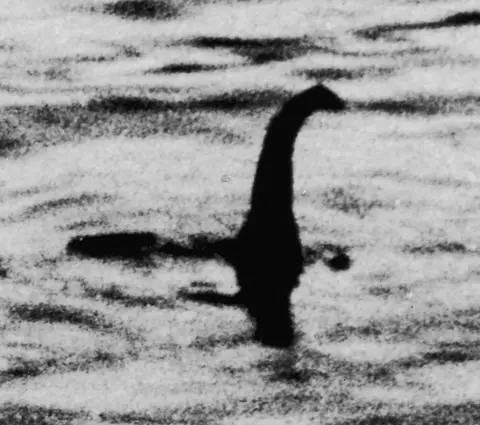
Hokkaido’s answer to Nessie: a humped creature reported in Lake Kussharo, Japan’s largest caldera lake, during a wave of sightings in the 1970s.
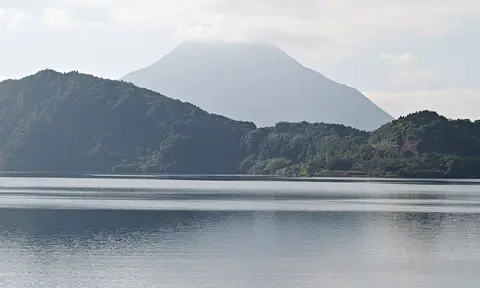
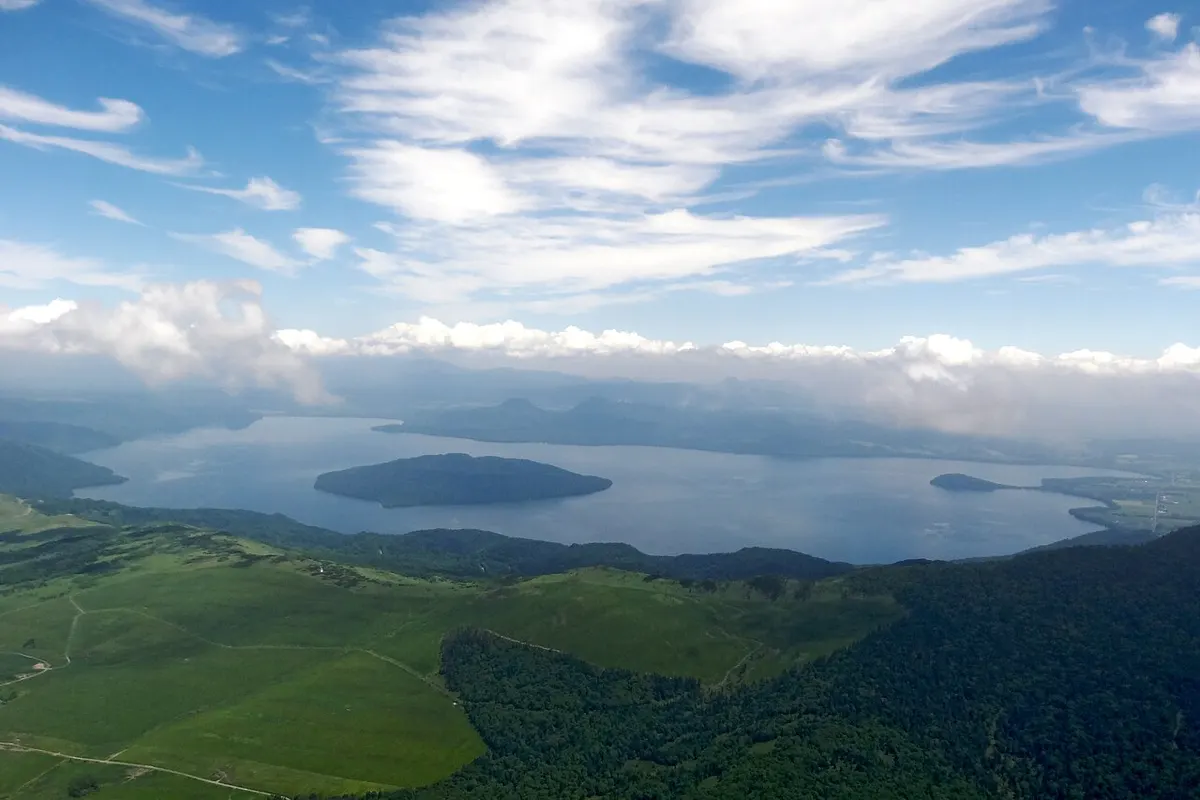
Kussie is the monster of Lake Kussharo in Akan-Mashu National Park, eastern Hokkaido. Covering about 79 square kilometers, the lake is the largest caldera lake in Japan and the largest Japanese lake to freeze over completely in winter. A forested volcanic island, Nakajima, rises from its center, hot springs bubble up through the beach sand at Sunayu and Wakoto, and whooper swans winter along its shores – a dramatic setting for a legend.
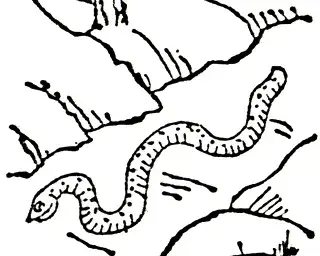
Stories of something large in the lake are older than the name. Ainu traditions tell of a giant snake that swallowed a deer and of huge fish in the lake, and early settlers were reportedly warned not to speak about the lake’s “master,” which some blamed for earthquakes. The long pressure ridges that heave up across the frozen lake in deep winter, known locally as omiwatari, have also been jokingly attributed to the creature.
The modern Kussie dates from the early 1970s. A driver reported a boat-shaped object moving toward shore in November 1972, but the creature became nationally famous in August 1973, when a group of about forty junior-high-school students on a hike reported seeing something swimming not far from shore (some English sources describe the group as university biologists). The press dubbed it “Kusshii,” after Nessie, and further reports flooded in through 1974 and 1975 – humps, a large brown head, and loud splashes at night. A Hokkaido television crew filmed an unexplained round object on the water in September 1974.
Occasional sightings continued through the 1980s and 1990s, including a 1997 report by local fire-department staff of two creatures 10–15 meters long, but they have been rare since the 2000s. Kussie survives today mainly as a much-loved symbol of Teshikaga, with statues, souvenirs and even a 1976 pop song, “Nessie to Kussie.”
- Status
- Regional legend
- First reported
- 1972
- Best-known location
- Lake Kussharo, Teshikaga, eastern Hokkaido
- Also called
- Kusshii, Kusshī, Kussharo lake monster
- Reported in
- Japan
What witnesses describe
Witnesses described dark humps or two triangular protrusions 10–15 m long moving at motorboat speed, a large brown head with shining eyes, and a dark, dolphin-like back. Some photographs claimed to show a long neck.
Where and when it’s seen
The open waters of Lake Kussharo, especially around Nakajima island and the southern and eastern shores. Reports peaked in summer and autumn between 1973 and 1975.
Notable sightings
- August 1973The school-trip sighting Lake Kussharo, near Mt. Mokoto
About forty junior-high students on a hike reported seeing a large creature in the lake. The story made national news and gave Kussie its name.
- September 18, 1974Fifteen witnesses Lake Kussharo
Around fifteen people reported two triangular humps, 10–15 m long, moving at the speed of a motorboat before sinking. That month, footage by Hokkaido Broadcasting caught an unidentified round object on the surface.
- July 5, 1975The logger’s encounter Lake Kussharo shore
A logger working with horses reported a large brown head with silver eyes about 50 m away. The same summer, a shop worker reported loud splashing at night.
- June 22, 1997Two creatures and a tail Lake Kussharo
Fire-department staff reported two creatures 10–15 m long, one of which dove to show a finned tail. It was one of the last widely publicized sightings.
What could explain it?
- The lake is a poor home for large animals: after the 1938 Kussharo earthquake, volcanic sulfur made the water strongly acidic and nearly wiped out its fish, and stocks were rebuilt only artificially.
- Swimming deer, which are common in eastern Hokkaido, wakes from tour boats and floating logs are likely sources of “humps” and “heads.”
- Large fish such as the Sakhalin taimen (itō) or char have been suggested for smaller sightings, though nothing near the reported size has been found.
- The sightings began within months of Loch Ness fever reaching Japan and declined as media interest faded.
Legend, culture and tourism
Teshikaga embraced Kussie as a mascot. A Kussie statue stands by the shore at Sunayu, where visitors dig their own hot-spring pools in the sand. The lake is also important to the Ainu, and the Kussharo Kotan area has an Ainu folk museum. The 1976 single “Nessie to Kussie” by Tanaka Seiji capitalized on the craze.
Places to visit
A lakeside beach where hot water seeps through the sand, with a Kussie statue and views toward Nakajima island.
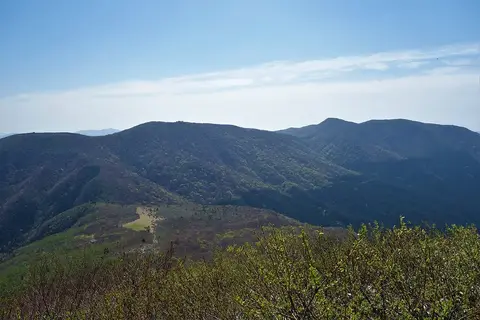
A high viewpoint over the whole caldera and the lake’s central island.
Watch
 ▶ VIDEO
【北海道のUMA】50年前屈斜路湖で目撃された「クッシー」はいま 記者が現地で見たものは…
HTB北海道ニュース (HTB Hokkaido News)Japanese-language TV report revisiting Kussie fifty years after the 1970s sightings.
Where it’s reported
Japan Hokkaido
Kussie in the news
No recent headlines about the Kussie. Our news desk checks every day — see all cryptid news.
First published · Updated