Field file · Humanoid · Folklore
Tikbalang
Also known as Tigbalang, Tikbalan, Tigbolan, Unglo (Visayan)
The tall, horse-headed trickster of Philippine forests that leads travellers astray – and can be tamed by anyone who snatches its mane.
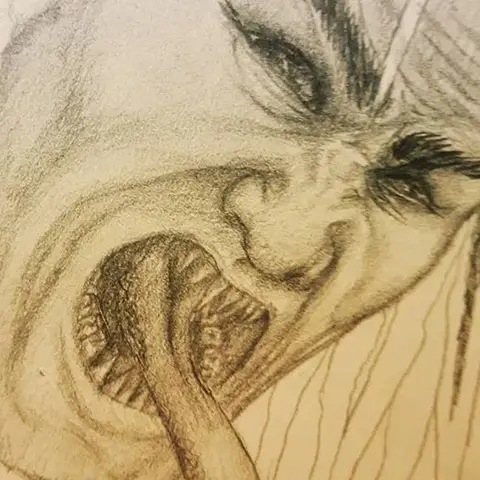
The tikbalang is a forest spirit of Philippine folklore, best known today as a tall, bony being with a horse’s head and hooves and limbs so long that its knees rise above its head when it squats. The oldest records, however, do not describe a horse at all. Juan de Plasencia’s Customs of the Tagalogs (1589) and early Spanish–Tagalog dictionaries gloss the word as a ghost or ‘phantom of the mountains’, and horses were not native to the islands. The equine look appears in Spanish-era sources, such as Juan José Delgado’s account from around 1750 of a boy who described a very tall, thin black man with a long, horse-like face.
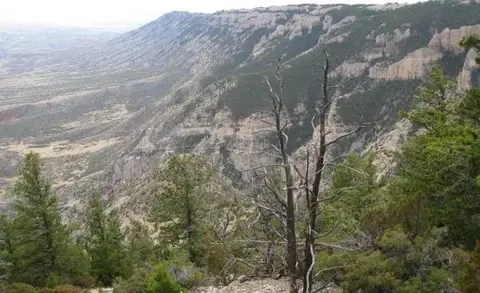
Tikbalang are said to haunt dark, overgrown places: balete and other large trees, bamboo clumps, banana groves and the undersides of bridges. Their best-known trick is to make travellers walk in circles until they are lost; the usual remedy is to wear your shirt inside out, ask permission aloud when passing, or avoid shouting in the woods. Rain falling in sunshine is called ‘a tikbalang’s wedding.’ Some Tagalog groups in Rizal told of tikbalang as guardians of tree-dwelling realms who watched over those who harmed the trees.
Folk belief holds that its mane has a few sharp hairs that make a powerful charm (anting-anting) and that anyone who leaps on its back and ties it with a prepared cord can force it to serve them. Spanish friars of the 17th and 18th centuries recorded the idea that it could change shape and make pacts with people, and Isabelo de los Reyes (1890) reported a version in which it is a transformed aborted foetus. Some modern writers link the horse head to the Hindu Hayagriva; this is conjecture.
There are no documented sightings; present-day stories usually come from rural travellers lost on night walks. The tikbalang survives in school stories, films, comics, the Netflix series Trese and punk-rock band names.
What does Tikbalang look like?
A very tall, thin humanoid with a horse’s head, hooves, matted fur, glowing eyes and long limbs; it can also appear as a handsome stallion or as a person (barefoot).
Where is Tikbalang seen?
Mountains, balete trees, bamboo groves, rivers and quiet roads, especially at noon, dusk and night.
Tikbalang sightings
- 1589Plasencia’s record Philippines
Juan de Plasencia’s Customs of the Tagalogs describes forest ghosts and spirits of the kind later called tikbalang.
- 1738–1744Franciscan chronicle Philippines
Juan Francisco de San Antonio’s Crónicas described a mountain being that changed form, including into a horse, and made bargains with people.
- About 1750The San Mateo boy San Mateo, Rizal
Juan José Delgado recorded a boy’s description of a tall, thin horse-faced figure with long ears and short horns, the first source for the horse-headed form.
Is Tikbalang real? What could explain it
- The horse head may be a post-Spanish development, since horses arrived with colonists; earlier accounts speak of a forest phantom.
- Getting lost in thick forest, fatigue and fear explain the ‘walking in circles’ tales, and a barefoot stranger is a common folk warning.
- The idea may have helped enforce respect for large sacred trees such as balete.
Legend, culture and tourism
A central figure in Filipino children’s tales, comics and horror, and a source of modern art such as Solomon Saprid’s 1970s sculptures.
Places to visit
Town near Manila associated with the old tikbalang account.
Where it’s reported
Sources
First published · Updated