Field file · Flying · Folklore
Simurgh
Also known as Simorgh, Sēnmurw, Senmurv, Saēna
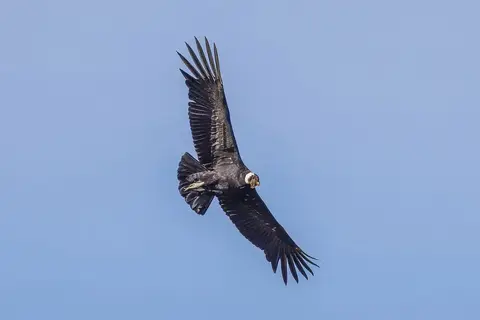
The Simurgh, the benevolent giant bird of Persian myth, who raised Zal in the Shahnameh and became a symbol across Iran and Central Asia.
The Simurgh is a giant, benevolent bird of Iranian mythology. Its name comes from Middle Persian sēnmurw and the Avestan phrase for the bird Saēna, probably an eagle, falcon or sparrowhawk. In Zoroastrian-era texts it roosts in a tree of life in the middle of the world sea and scatters plant seeds, linking earth and sky. A later folk etymology links the first syllable to Persian si (thirty), which scholars regard as historically unfounded.
Its best-known appearance is in Ferdowsi’s Shahnameh. The albino child Zal is abandoned on Mount Alborz and raised by the Simurgh, who gives him three feathers to burn if he ever needs her help. When Zal’s wife Rudaba is in difficult labour, the Simurgh guides a caesarean birth that saves her and produces the hero Rostam. Later she heals Rostam and advises him about the prince Esfandiyar, giving a feather used to make the arrow that blinds him.
The bird was a royal and tribal emblem for the Sasanians and appears on Sasanian silver plates of the 7th–8th centuries, in the Afrasiab murals of 648–651 CE in Samarkand, and on Samanid-era platters of the 9th–10th centuries. Its image also appears in Georgian, Armenian and Byzantine art and on a madrasa in Bukhara, Uzbekistan.
In the 12th-century Sufi poem The Conference of the Birds, Attar of Nishapur uses the wordplay sī morgh (thirty birds): thirty birds seeking the Simurgh find only their own reflection, a metaphor for finding God within.
What does Simurgh look like?
An enormous, long-lived bird of brilliant plumage; in art often a composite creature with a dog-like head and a peacock-like tail.
Where is Simurgh seen?
A nest on Mount Alborz or in the tree of life at the centre of the world sea.
Simurgh sightings
- 648–651Afrasiab murals Samarkand
Murals show the Simurgh as a royal emblem in the Sogdian court.
- 12th centuryThe Conference of the Birds Nishapur
Farid ud-Din Attar’s poem turned the Simurgh into an allegory of the divine.
Is Simurgh real? What could explain it
- The bird probably began as a real raptor in Avestan texts, then grew in imagination into a mythical creature.
- Eagle and griffin-like composite creatures were common in ancient Near Eastern art, and the Simurgh belongs to that tradition.
- The Simurgh is a literary and symbolic figure, not a creature that anyone claims to have seen.
Legend, culture and tourism
The Simurgh is a national symbol of Iran: a Crystal Simorgh is the top prize of the Fajr Film Festival, and the image appears in miniatures, carpets, tilework and modern design.
Where it’s reported
Sources
First published · Updated