Field file · Hominid · Regional legend
Barmanou
Also known as Barmanu, Bar-manu, Baddmanus, Big Hairy One
A hairy wild man of Pakistan’s Chitral and Karakoram valleys, known in folk tales and studied in the 1990s by zoologist Jordi Magraner.
The barmanou (also spelled barmanu) is a wild man of the mountains of northern Pakistan and neighbouring Afghanistan. The name comes from Khowar, the main language of Chitral, and is also used in Shina, Kashmiri and other regional languages; it is often glossed as “big hairy one.” A gazetteer of the Hazara district compiled in the 1880s is cited for the word, so the name has been on paper for well over a century. Its supposed range lies between those of the Central Asian almas and the Himalayan yeti.
In village and herder folklore the barmanou is an ape-like or half-human figure, sometimes said to wear animal skins on its back and head. Older tales describe it carrying off women, a motif found in wild-man stories across Eurasia. A Pakistani journalist who worked in Kohistan and Chilas later noted that shepherds, and nomadic Gujjar herders in the Alai valley, talk about meetings with it as if they were routine, yet he recorded no credible first-hand sighting and nobody has photographed it or found a den.
The modern investigation is mostly the work of one man. Jordi Magraner, a Catalan-born zoologist who settled in Chitral in the early 1990s, interviewed herders and villagers for years and collected dozens of accounts. He asked witnesses to pick the creature from a set of drawings of apes and hominids, and wrote on what he called relict hominoids of Central Asia. In May 1994, on a trek in the Shishi Kuh valley, he and two European companions reported hearing guttural calls late in the evening that Magraner believed came from a primate voice box. He was killed in August 2002, close to the Afghan border, in circumstances that were never fully cleared up; he is buried in a Kalash graveyard in the Bumburet valley.
The barmanou remains a regional legend rather than a documented animal. Its reports sit in a mountain region rich in bears, langurs, macaques and deliberately secretive herders, and there is no physical evidence beyond testimony.
What does Barmanou look like?
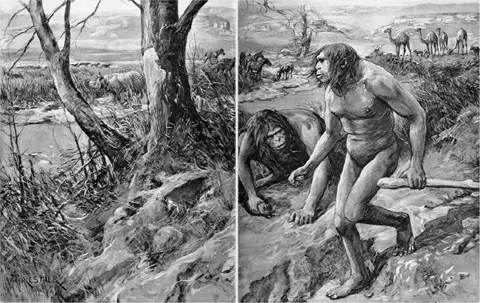
Described as an upright, heavily haired ape-man, sometimes wearing hides, with a foul smell and guttural, voice-like calls; folk tales add a habit of abducting women.
Where is Barmanou seen?
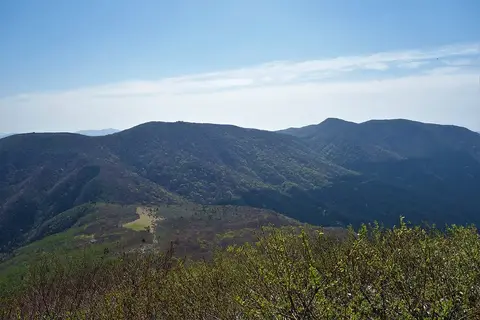
High valleys, forests and caves of Chitral, Kohistan and Gilgit-Baltistan, and across the border in Afghanistan’s Nuristan; most accounts come from herders on summer pastures.
Barmanou sightings
- 1880sThe name enters a gazetteer Hazara, Khyber Pakhtunkhwa
The Hazara district gazetteer of 1883–84 is cited as the earliest written source for the word barmanu, showing the tradition predates modern cryptozoology.
- 1992Magraner settles in Chitral Chitral
Spanish-trained zoologist Jordi Magraner moved to Chitral to look for the barmanou and began interviewing herders; he later claimed to have gathered dozens of first-hand accounts.
- May 1994Calls in the Shishi Kuh valley Shishi Kuh valley, Chitral
Magraner and two European colleagues reported hearing two series of guttural sounds one evening that he believed came from a primate larynx. Witnesses later spoke of a foul-smelling animal; nothing was seen.
- August 2002Magraner is found dead Near the Chitral–Afghan border
Magraner and an assistant were found killed; the case was never resolved. Local Kalash elders buried him in their own cemetery, as he had asked.
Is Barmanou real? What could explain it
- Himalayan brown bears, Asiatic black bears and langurs walk upright or leave odd tracks and can be mistaken at a distance in poor light.
- Wild-man and abduction stories are a worldwide motif, and in the Hindu Kush they may fuse memories of hermits, outcasts or isolated peoples with animal sightings.
- Voice recordings and sounds in the mountains are open to many readings, and no hair, bone or photo has yet been tested and attributed to an unknown primate.
Legend, culture and tourism
The barmanou is part of the oral tradition of Chitral, Kohistan and Gilgit. It is better known abroad through accounts of Magraner’s life and death, which have inspired books and journalism.
Places to visit
Mountain valleys of the Kalash people, where Magraner lived and is buried; visitors should respect local customs and permits.
Where it’s reported
Sources
First published · Updated