Field file · Other · Folklore
Kumiho
Also known as Gumiho, Nine-tailed fox
Korea’s nine-tailed fox, a shape-shifter that seduces men in medieval tales and legends – now a staple of Korean drama and film.
The kumiho (gumiho) is the nine-tailed fox of Korean folklore, related to the Chinese jiuweihu and Japanese kitsune. In Korean tradition the fox is usually deceptive or malevolent rather than lucky, and the kumiho is typically a woman who seduces men and lures them to death, driven by hunger for human flesh. Folktales speak of a ‘fox bead’ that it passes into and out of a victim’s mouth to draw energy.
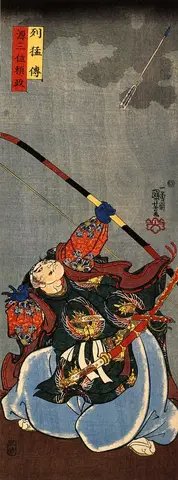
Korean historical writings mention foxes from the Samguk Sagi and Samgungnyusa on, but nine tails appear in Korean sources only from the Goryeo period. In the Geotaji and Jakjegeon legends a fox disguised as a monk attacks the Dragon King and tries to eat its liver, and the hero who shoots it marries the dragon’s daughter, fathering Wang Geon, founder of Goryeo. Goryeo writers used foxes as metaphors for corrupt shamans and courtiers, and in the Joseon era the kumiho entered popular novels.
A common story says the fox must go a thousand days without killing people to become human; many modern versions turn the kumiho into a lover longing for humanity, as in the 2010 drama My Girlfriend Is a Gumiho. The Korean Ministry of Culture notes that, unlike foxes in China and Japan, the kumiho is rarely auspicious.
The kumiho is a folkloric rather than a cryptozoological figure, and there are no documented sightings.
What does Kumiho look like?
A fox with nine tails that can take the form of a beautiful woman; a bead in its mouth is its source of power.
Where is Kumiho seen?
Graveyards, mountains and lonely roads at night, in the form of a woman or fox.
Kumiho sightings
- Goryeo periodFox in the Geotaji legend Korea
The fox disguised as a monk attacks the Dragon King and is shot by a hero.
- Joseon periodKumiho in novels Korea
Fox spirits become figures in popular narrative such as the Jeon Woo-chi Story.
- 2010My Girlfriend Is a Gumiho South Korea
The hit drama reimagined the creature as a romantic lead, shaping a new image.
Is Kumiho real? What could explain it
- A metaphor for female sexuality, social anxiety or corrupt officials.
- Foxes in the wild do prey on poultry and appear at graves, feeding fear.
- Shared East Asian fox legends flowed across borders.
Legend, culture and tourism
Pervasive in K-dramas, webtoons and games; a soju brand adopted it in 2022.
Places to visit
Museum of Korean traditional life and folk belief.
Where it’s reported
Sources
First published · Updated