FIELD FILE · ORANG-BATIFLYINGFOLKLORE
Orang Bati
Also known as Winged men of Seram, Manusia terbang (flying people)
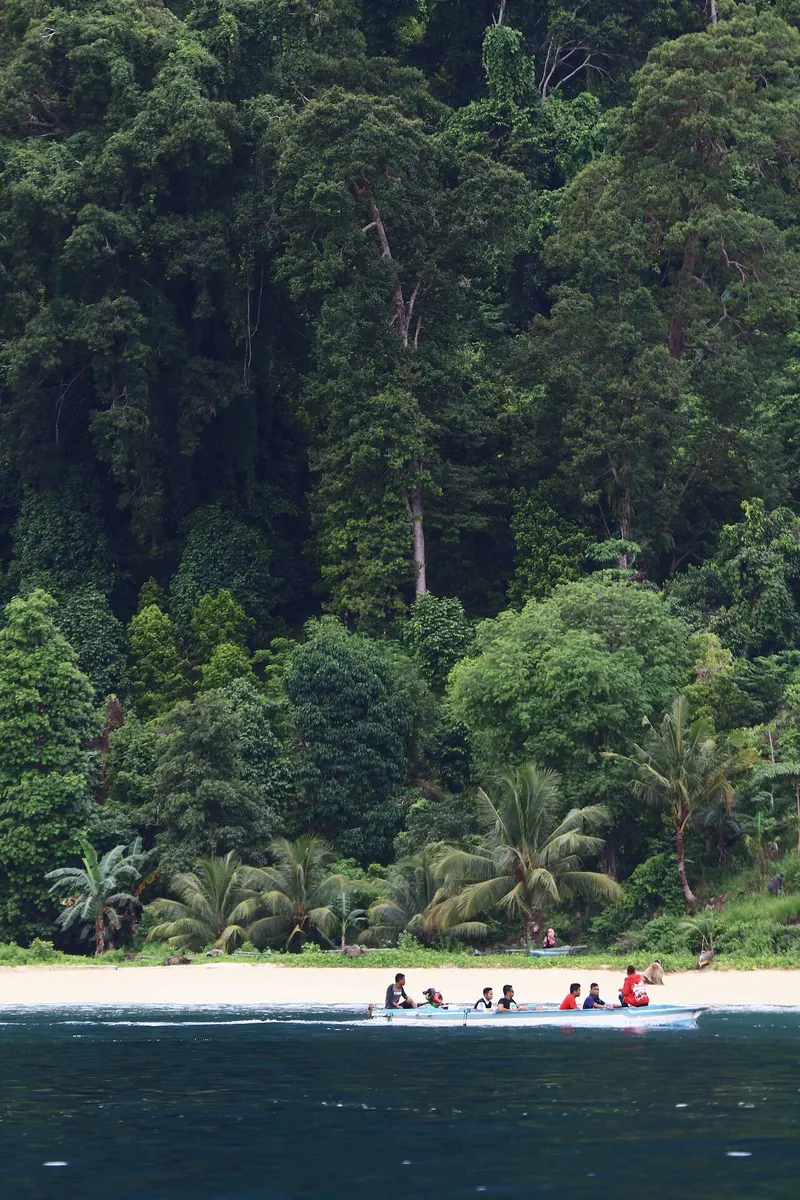
Winged, child-snatching beings said to fly from a mountain on Seram – a legend that has long overshadowed the real Bati people of the island’s interior.
On Seram, the large, rugged island in Indonesia’s Maluku (Moluccas) province, stories circulate about the orang bati – “bati people” – winged, man-sized beings said to swoop down from the mountains at night and carry off small children. In the version popular in Western cryptozoology books and websites, they are described as red-skinned, ape-like creatures with black bat wings and a long tail, roosting by day in the caves of a dormant volcano called Mount Kairatu and raiding villages such as Uraur.
Those retellings often claim that European missionaries heard of the creatures centuries ago, and that an English missionary named Tyson Hughes, working on Seram in the 1980s, came to believe in them. No primary source for either claim has been traced, and the details – down to the creature’s colour and the location of its lair – vary from one telling to the next.
There is an important human side to this legend. The Bati are a real Indigenous community living in the forested interior of eastern Seram, around Mount Bati in East Seram Regency, who trace their descent from the island’s Alifuru ancestors. Because their homeland was remote and hard to reach, outsiders in Maluku long spun myths about them – that they could vanish, or fly. Researchers at Pattimura University describe how this reputation made the Bati feared and shunned, and how even saying their name came to be considered taboo (pamali) by some Malukans.
For the Bati themselves, Mount Bati and its forest are sacred ancestral ground, shared with unseen beings in their own spiritual tradition. In recent years they have drawn attention not for flying, but for defending that forest against oil and gas exploration. Readers who come to the orang bati as a monster story should keep in mind that it is entangled with the reputation of a living people.
- Type
- Flying
- Status
- Folklore
- First reported
- Pre-colonial
- Best-known location
- Seram Island, Maluku
- Also called
- Winged men of Seram, Manusia terbang (flying people)
- Reported in
- Indonesia
What witnesses describe
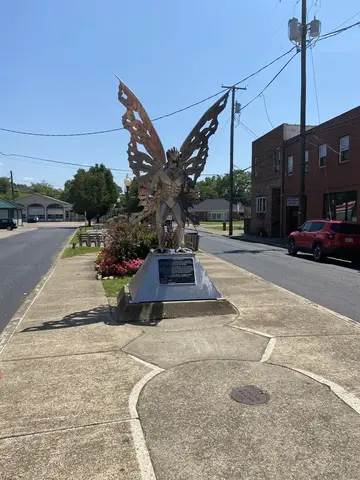
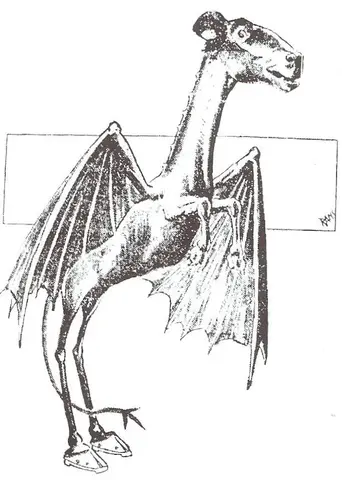
Popular accounts describe a human-sized, ape-like body 1.2–1.5 m tall with reddish skin, large black leathery wings, a long thin tail and a shrill, wailing cry. Some versions give it the face of a monkey or a bat.
Where and when it’s seen
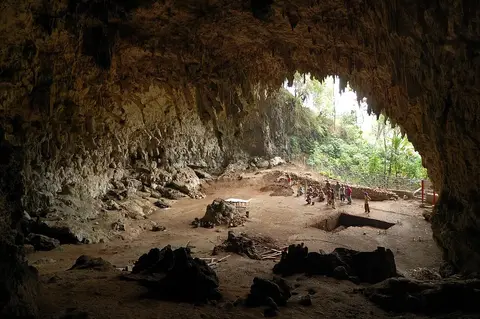
The mountainous rainforest of Seram, with stories placing the creatures in caves on Mount Kairatu and among the peaks of the eastern interior. Raids are said to happen at night.
Notable sightings
- 1980s (claimed)The missionary who believed Seram, Maluku
Cryptozoology websites say an English missionary, Tyson Hughes, initially dismissed the stories as “orangutans with wings” but became convinced during an 18-month stay. No original account by Hughes has been found, so this remains an unverified claim.
- 2019Study of the Bati people’s ‘forgotten identity’ Pattimura University, Ambon
Researcher Pieter Jacob Pelupessy presented a study describing how myths of invisible or flying people stigmatised the Bati of eastern Seram, and how the community kept a low profile with outsiders as a result.
- July 26, 2022A sasi ritual on Mount Bati Kian Darat, East Seram Regency
Bati villagers placed palm fronds and red cloth in a traditional sasi ritual to block oil and gas exploration on their sacred mountain, followed by “Save Bati” protests in the regency capital, Bula.
What could explain it?
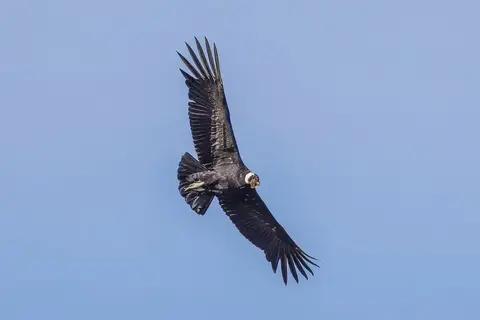
- Seram’s mountain forests are home to large fruit bats, including the Moluccan flying fox and the endemic Seram flying fox; a big bat glimpsed at dusk, together with its screech, is the most commonly suggested natural source for winged-creature stories.
- Tales of child-stealing night creatures are a near-universal way of keeping children close to home after dark.
- Much of the detail in English-language accounts comes from uncited internet retellings, and key claims such as the Tyson Hughes story cannot be traced to a primary source.
- Anthropological work suggests the ‘flying people’ idea grew partly from outsiders’ misunderstanding and fear of the isolated Bati community.
Legend, culture and tourism
The Bati people maintain their own customs (including the Esuriun custom) and regard Mount Bati as the resting place of their ancestors. In wider Maluku the orang bati has become a staple of local ghost-story lists and online horror content, while Indonesian media have increasingly covered the Bati as an Indigenous community defending its customary forest.
Places to visit
Seram’s 1,890 km² mountain rainforest park, crowned by 3,027 m Mount Binaiya and rich in karst caves, shows the kind of highlands where orang bati stories are set.
Where it’s reported
Indonesia Maluku
Orang Bati in the news
No recent headlines about the Orang Bati. Our news desk checks every day — see all cryptid news.
Sources
First published · Updated