Field file · Other · Regional legend
Kharisiri
Also known as Lik’ichiri, Pishtaco, Ñakaq
A fat-stealing bogeyman of the Andes, thought by many to be a real danger, that anthropologists read as a story of fear of outsiders and exploitation.
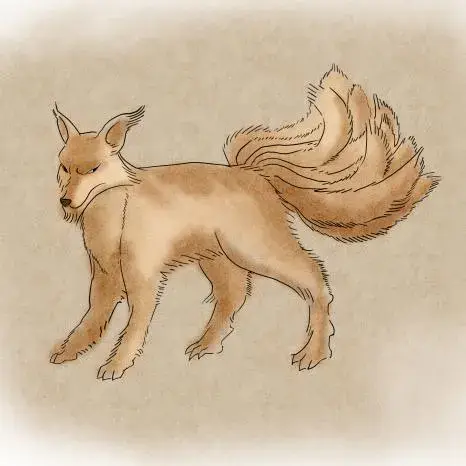
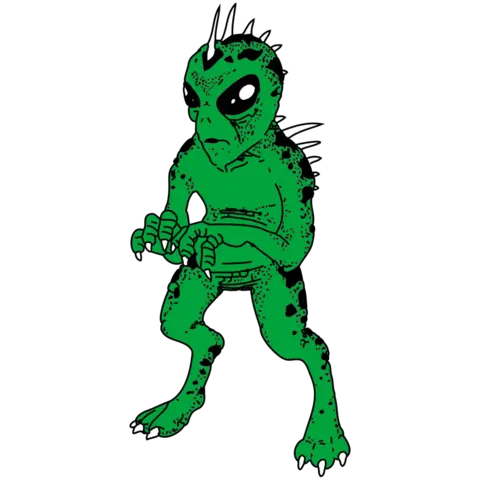
The kharisiri (Aymara; pishtaco or ñakaq in Quechua) is a figure of the Bolivian and Peruvian altiplano said to steal body fat from sleeping victims. It looks human, is often a stranger such as a priest, a foreigner or a lone traveller, and some tellings let it turn into an animal.
In the traditional account it puts victims to sleep, extracts fat near the kidney, often with a small device, and leaves no mark. The victim sickens and dies over days or weeks unless treated by healers. The fat is said to be sold for candles, soap, medicine or machine grease.
Many people in the Andes treat this as a real threat. Remedies are sold in El Alto’s markets and garlic is said to ward off the attack. Researchers read it as an expression of colonial and racial exploitation. Andrew Canessa argued in 2000 that the central role of fat in Andean culture explains why it embodies the racialised outsider.
The belief has had violent consequences in Peru, and it adapts: former priests and conquistadors have been replaced in tellings by engineers, tourists and now technology.
What does Kharisiri look like?
A human-looking stranger, sometimes a priest or foreigner, or an animal; attacks happen at night.
Where is Kharisiri seen?
The high Andean altiplano around La Paz, El Alto and Lake Titicaca; stories also circulate in Peru.
Kharisiri sightings
- 1969Peruvian ‘grease’ sale Peru
Two men were reported to have sold bottles of human grease obtained by killing shepherd women.
- 1983Uchuraccay killings Ayacucho, Peru
Villagers killed eight journalists; the anthropologist Enrique Mayer suggests they may have taken them for pishtacos.
- 2000Canessa’s anthropological study Bolivia
Andrew Canessa’s article ‘Fear and loathing on the kharisiri trail’ analysed the belief in Bolivia.
- 2009The ‘pishtacos affair’ Peru
Police alleged a gang had killed up to 60 people for their fat; the case became known as the pishtacos affair.
Is Kharisiri real? What could explain it
- Anthropologists read the kharisiri as an allegory for colonial and capitalist exploitation of Indigenous people.
- Fat has real value in Andean culture and uses in machinery, which gives the story a concrete logic.
- Medical conditions with wasting illness have been explained as kharisiri attacks locally.
Legend, culture and tourism
The belief is a serious part of Aymara and Quechua life; this entry treats it as a cultural and anthropological topic with respect.
Where it’s reported
Sources
First published · Updated