Field file · Other · Local legend
Montauk Monster
Also known as Hound of Bonacville, Ditch Plains Monster
A hairless, beaked carcass photographed on a Long Island beach in July 2008 became a viral ‘monster’ and was identified by most experts as a raccoon.
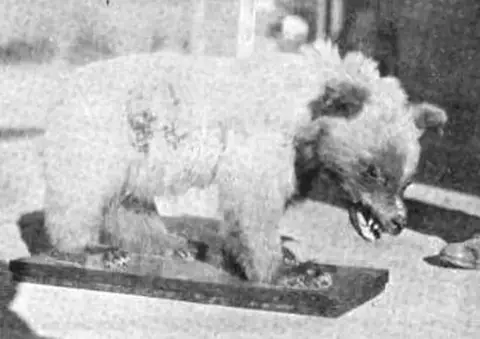
On July 12, 2008, a Montauk woman named Jenna Hewitt and three friends said they found a strange carcass on the sand at Ditch Plains, a surfing beach about two miles east of the village of Montauk at the eastern tip of Long Island. The body was bloated and hairless, roughly the size of a dog, with what looked like a beak where a snout should be and clawed, finger-like digits. Hewitt took pictures with a borrowed camera.
The East Hampton Independent ran the photo on July 23 under the headline “The Hound of Bonacville,” a joke on the old East End nickname “Bonackers” and on The Hound of the Baskervilles. The photo reached the website Jezebel and then Gawker, which posted it on July 29, and within days it was in Newsday and on Fox News and was being argued over by millions of people online. Theories ranged from a turtle with its shell missing to a mutant escaped from the federal Plum Island Animal Disease Center in Long Island Sound, a favorite target of conspiracy theorists.
Experts who looked at the photo mostly agreed on a mundane answer. East Hampton’s natural resources director, Larry Penny, saw a raccoon missing part of its upper jaw. The British paleozoologist Darren Naish studied the teeth, skull and front paws and also said raccoon, arguing that water and decay had stripped away fur and flesh, and the wildlife host Jeff Corwin agreed. A dissenting voice, Stony Brook marine scientist William Wise, thought the photo might be a fake. Because the carcass disappeared before anyone examined it, no necropsy or DNA test was ever done, and the identification rests on photographs alone.
In June 2009 a man told a blogger, through a friend, that he and his friends had burned a dead raccoon on a child’s inflatable duck and pushed it out to sea from Shelter Island in late June 2008, but the account was secondhand and was never independently verified. The Montauk Monster has since turned up on television shows about aliens and monsters and remains a standard example of how an internet photograph can create a legend in a week.
What witnesses describe
A bloated, hairless body about the size of a dog, with a beak-like snout and clawed, finger-like digits.
Where and when it’s seen
The single carcass was found on the sand of Ditch Plains, on the Atlantic side of Long Island’s South Fork, in July 2008. Rumor sometimes ties it to Plum Island in Long Island Sound, which has no evidence behind it.
Notable sightings
- July 12, 2008The carcass at Ditch Plains Montauk, New York
Jenna Hewitt and three friends said they found the strange body on the beach and photographed it. The carcass was soon taken away or lost and never examined.
- July 23, 2008“The Hound of Bonacville” East Hampton, New York
The East Hampton Independent ran the first news story and photo. Gawker published the picture on July 29 and it went viral.
- August 2008The raccoon verdict Long Island, New York
Darren Naish published an analysis on his Tetrapod Zoology blog concluding the animal was a decomposed raccoon, a view shared by East Hampton’s natural resources director and by Jeff Corwin.
- June 2009A claimed prank Shelter Island, New York
Fox News reported an unverified claim by a man who said friends had floated and burned a raccoon carcass on an inflatable duck, which he thought may have become the monster.
What could explain it?
- A decomposed raccoon: the teeth, skull and paws point to Procyon lotor, and seawater and rot can remove fur and soft tissue, leaving a bald body with a beak-like snout.
- Loss of context: with no scale, no necropsy and no follow-up, photographs of decayed carcasses are easy to misread, and lost evidence can never be ruled out.
- Fakery: a Stony Brook marine biologist argued the photo looked like a fake, and a 2009 account claimed a prank, though neither is proven.
- Viral timing: the story broke in a slow news summer, and the Plum Island lab, a real but unrelated federal site, gave conspiracy theorists a ready-made origin.
Legend, culture and tourism
The Montauk Monster is the best-known sea-carcass hoax-or-mystery of the internet age. It was covered by the East Hampton press, the national press and bloggers, and later appeared in TV programs including Conspiracy Theory with Jesse Ventura and an August 4, 2011 episode of Ancient Aliens. Darren Naish has written that such cases are better studied through psychology and communication than through biology. Similar carcasses have washed up elsewhere in the United States and Canada.
Places to visit
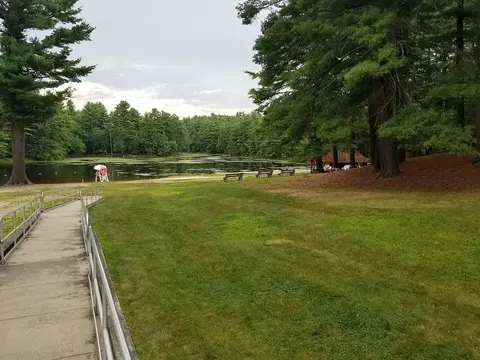
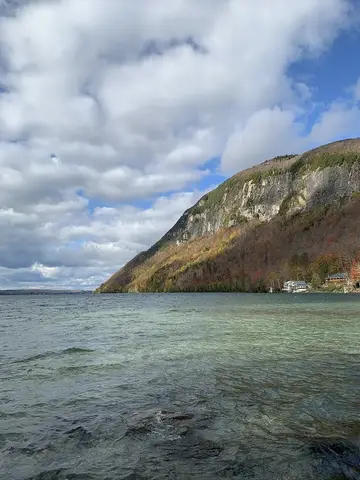
A popular surfing and swimming beach about two miles east of Montauk village, where the carcass was found in 2008.
Where it’s reported
Sources
First published · Updated