Continent file
Cryptids of Oceania
Yowies and bunyips, the thylacine and the taniwha.
Australia, New Zealand and New Guinea pair ancient Indigenous traditions with a colonial history of genuine zoological surprises – the first platypus skin sent to Britain was suspected of being a fake. Aboriginal water beings reached colonial newspapers as the Bunyip in the 1840s, and hairy-man traditions became the Yowie, a national story by the 1970s thanks largely to the enthusiast Rex Gilroy. In New Zealand the Taniwha remain living Māori guardians of rivers and harbors, while the hairy Moehau and the otter-like Waitoreke are settler-era puzzles.
Oceania also has the cryptid most people wish were real: the Tasmanian Tiger. The last known thylacine died at Hobart’s Beaumaris Zoo on September 7, 1936, yet more than a thousand sightings have been logged since. Out-of-place big cats such as the Gippsland phantom cat and the striped Queensland tiger are reported on the mainland, and on Papua New Guinea’s Umboi Island creationist expeditions in 2004 went looking for the glowing Ropen, hoping it was a living pterosaur.
Most explanations come from the region’s own wildlife. Seals swimming far upriver and the booming call of the Australasian bittern may lie behind many bunyip reports; upright kangaroos and bellowing koalas behind yowie encounters; feral domestic cats behind every Gippsland “panther” carcass examined so far; and flying foxes, frigatebirds and aircraft lights behind the ropen. Taniwha, meanwhile, are best understood as cultural knowledge about dangerous water and sacred places rather than as unknown animals.
Choose a country
Cryptids of Oceania
Yowie
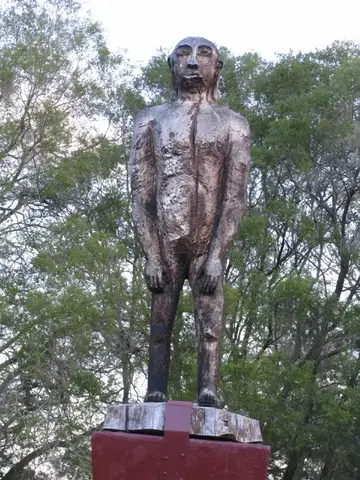
Australia’s hairy “bush man”: a tall, ape-like figure of eastern forests, rooted in Aboriginal hairy-man stories and colonial-era newspaper tales. Widely reported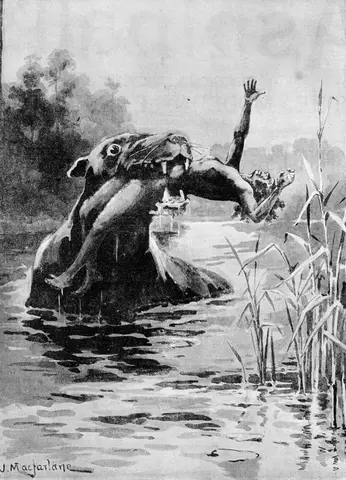
Bunyip
The water spirit of Aboriginal tradition said to lurk in billabongs and swamps – turned by colonial newspapers into Australia’s first great monster story. Folklore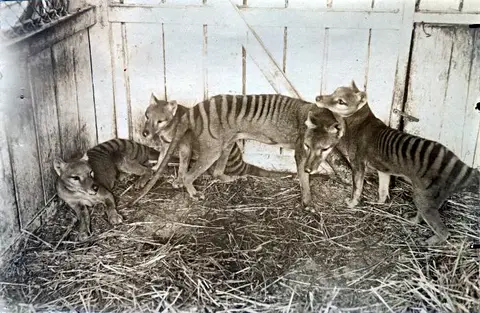
Tasmanian Tiger (Thylacine)
A striped, dog-like marsupial officially extinct since the last one died in a Hobart zoo in 1936 – yet over a thousand people say they have seen one since. Extinct animal?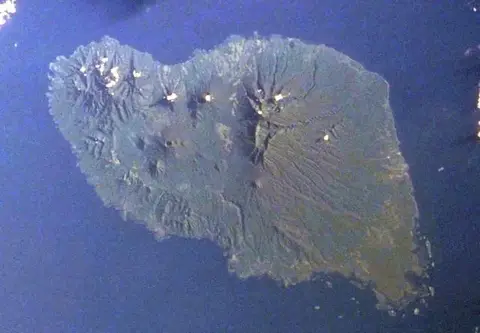
Ropen
A glowing, long-tailed night flyer of Umboi that creationist explorers hoped was a living pterosaur – and scientists blame on bats, birds and planes. Regional legend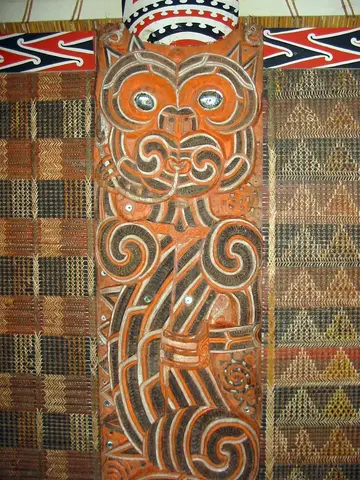
Taniwha
Powerful water beings of Māori tradition – guardians to some iwi, man-eaters in other tales – said to dwell in deep pools, caves and harbour mouths. Folklore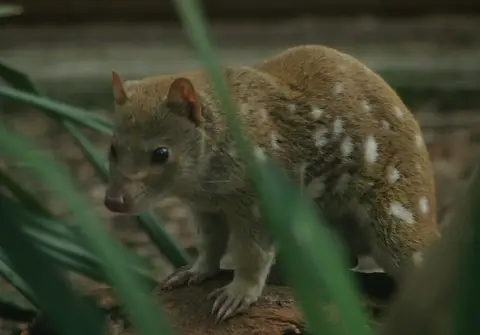
Queensland tiger
A striped, tree-climbing “marsupial cat” of north Queensland’s rainforests, reported since 1871 and linked by some to the extinct marsupial lion. Regional legend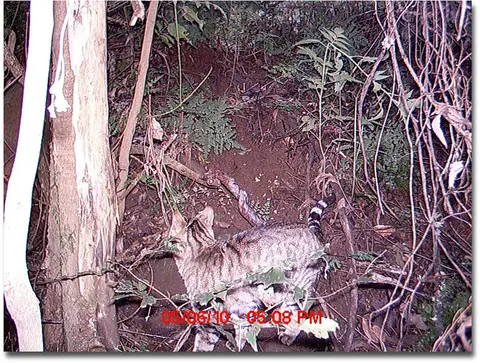
Gippsland phantom cat
Puma- or panther-sized cats reported across Gippsland since the 1930s, blamed on wartime mascots – yet every one examined so far has been a feral moggy. Regional legend
Moehau
A hairy, man-sized wild being said to roam the Coromandel’s Moehau Range – New Zealand’s answer to Bigfoot, declared “dead” by a newspaper in 1970. Local legend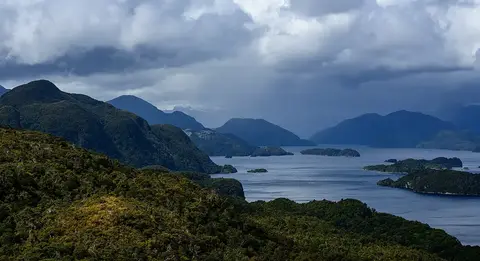
Waitoreke
A small, otter-like swimmer reported in South Island rivers since Captain Cook’s day, in a country whose only native land mammals are bats. Regional legend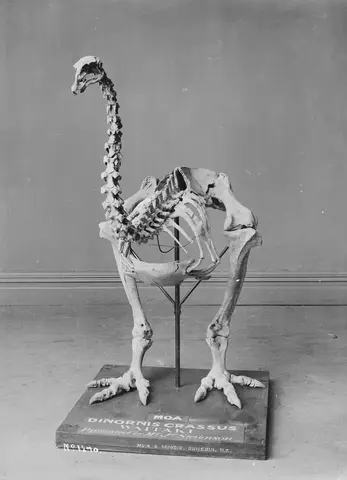
Surviving Moa
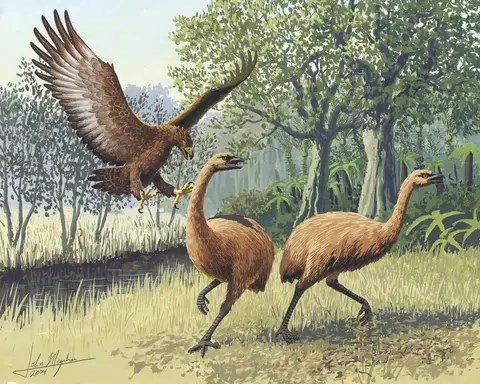
Claims that giant moa outlived their extinction around 1445 in the remote South Island, from 1820s tales to Alice McKenzie’s Fiordland sighting. Extinct animal?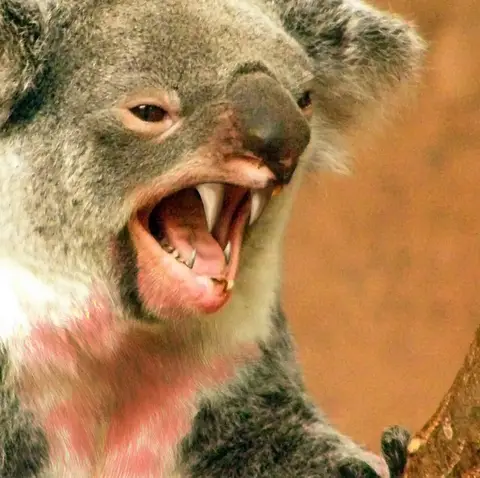
Drop Bear
Australia’s best-known tall tale: a fanged, koala-like ambush predator that drops on tourists. A joke with a real fossil cousin, Thylacoleo. FolkloreKakamora
Small, long-haired cave people of Solomon Islands lore who avoid fire and turn fierce when cornered; a missionary treated them as real in 1924. Local legend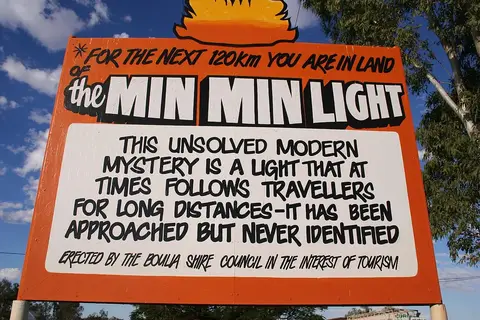
Min Min Light
A ghostly outback light that follows travellers across Queensland’s Channel Country; one scientist argues it is a mirage of distant headlights. Regional legend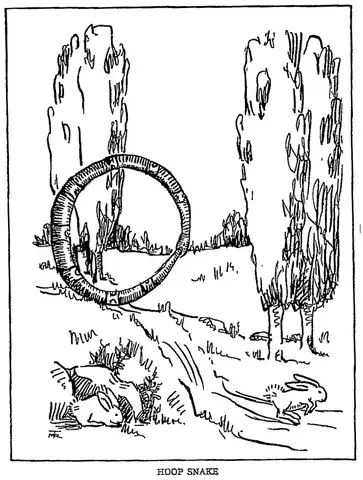
Hoop Snake
A legendary snake that bites its own tail and rolls downhill like a wheel to chase its victims, striking with a venomous tail that kills trees. FolkloreYara-ma-yha-who
A small red tree-dweller of Aboriginal storytelling that drains and swallows those who rest under fig trees, recorded by David Unaipon. Folklore