FIELD FILE · GIPPSLAND-PHANTOM-CATBIG CATREGIONAL LEGEND
Gippsland phantom cat
Also known as Gippsland big cat, Gippsland panther, Gippsland puma
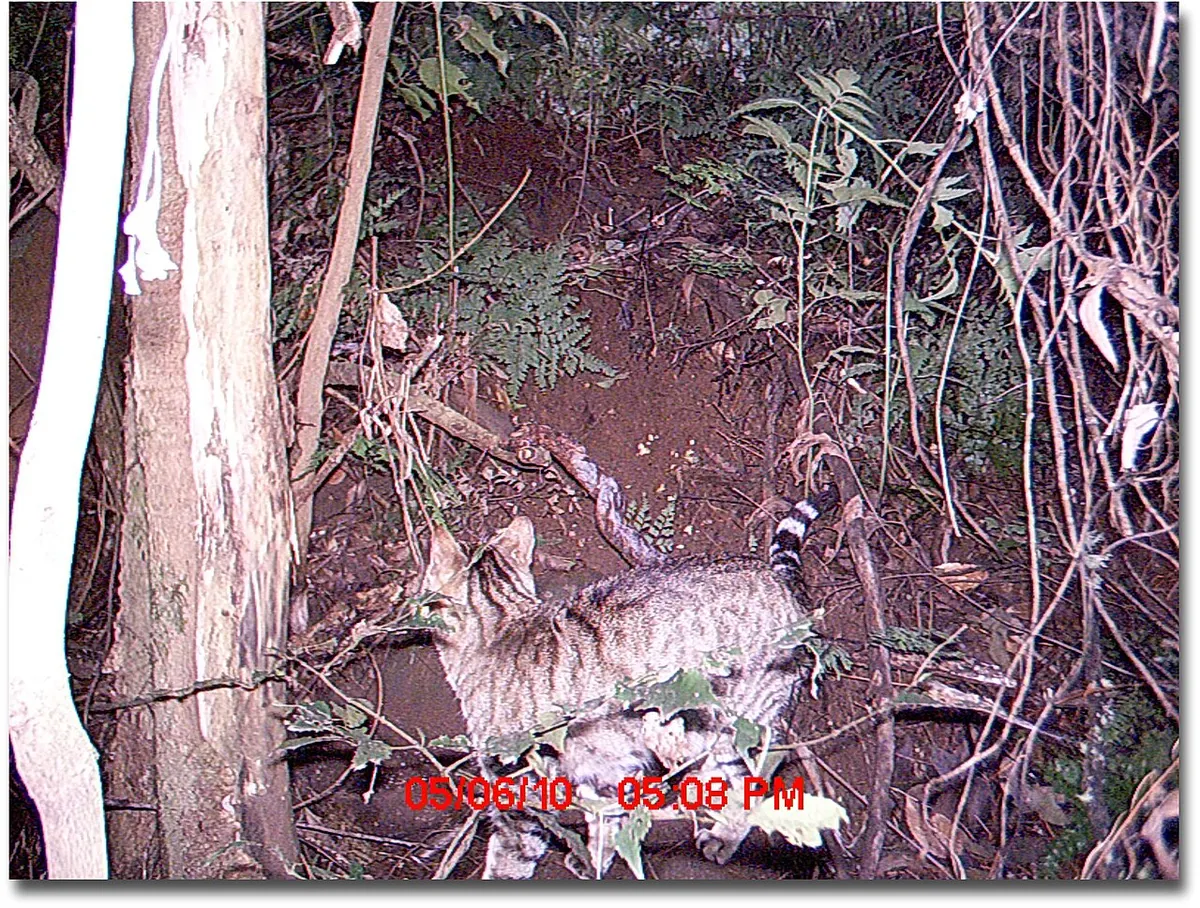
Puma- or panther-sized cats reported across Gippsland since the 1930s, blamed on wartime mascots – yet every one examined so far has been a feral moggy.
Gippsland, the broad sweep of dairy country, forest, mountains and lakes east of Melbourne, has produced more reports of “big cats” than almost anywhere in Australia. Farmers, hunters and drivers describe long, low, black or tawny animals the size of a large dog or bigger – a puma, a panther, sometimes even a lioness – loping across roads or watching from the bush. Stock losses are regularly blamed on them. Australia has no native cats of any kind, large or small, so if the reports are right, something has gone badly unrecorded.
The stories are older than many people realise. In the early 1930s Gippsland newspapers were full of a “mystery animal” or “Gippsland monster”: in 1933 farmers and a clergyman near Gunyah in the Strzelecki Ranges described a long, cat-headed beast with a snarling cry, a fisheries inspector near Briagolong measured big paw prints, and search parties went out with rifles. One animal shot near Moe in 1934 was sent to the Melbourne Museum, which identified it as an exceptionally large wild dog; another “monster” proved to be a very big wombat.
The best-known origin story arrived later. Many locals will tell you that American airmen stationed in Victoria during the Second World War kept pumas or other big cats as unit mascots and set them loose in the bush when they went home – a tale told in several parts of Australia, and one for which no documentary evidence has been found. Others suggest escapes from travelling circuses and private menageries, which certainly did happen in Victoria: a puma and a jaguar broke out of a circus train near St Arnaud in 1924.
The phantom cat’s most famous moment came in June 2005, when deer hunter Kurt Engel said he had shot a huge black cat near Sale in East Gippsland. He photographed the carcass, cut off the tail and left the body in a river. The photographs caused a sensation, but hair tested for the Department of Sustainability and Environment was judged to be from a domestic cat, and later DNA testing on the tail arranged by big-cat researchers identified it as Felis catus – a very large feral house cat. The photos, critics noted, had no reliable sense of scale.
In 2012 the Victorian government, following an election promise, had its agriculture and environment departments review decades of sightings, photographs, footprints and livestock attacks. Their report concluded that a wild population of big cats was “highly unlikely” and that most evidence pointed to large feral cats, while conceding that a few items, including some preliminary DNA results and footprints, could not be dismissed outright. Believers called it a whitewash; the minister declared the matter closed. The sightings, of course, have continued.
- Type
- Big cat
- Status
- Regional legend
- First reported
- 1933
- Best-known location
- Gippsland, eastern Victoria
- Also called
- Gippsland big cat, Gippsland panther, Gippsland puma
- Reported in
- Australia
What witnesses describe
Usually described as a large, long-tailed cat, black or tawny, bigger than a dog and moving with a smooth, loping gait. Some witnesses describe a puma-like animal, others a black panther; older reports include striped or lion-like animals.
Where and when it’s seen
Farmland, forest edges and bush of Gippsland, from the Strzelecki Ranges and Latrobe Valley to the Sale and Bairnsdale districts and the foothills of the Great Dividing Range. Reports often come from roads at dusk or night and from farmers who find mauled stock.
Notable sightings
- October 1933The Gunyah beast Gunyah, Strzelecki Ranges
The Gippsland Times reported that a local farmer had seen an animal about six feet long with a cat-like head and a snarling cry; a clergyman described a similar creature, and armed search parties combed the hills.
- July 23, 1934Shot near Moe Near Moe, Latrobe Valley
A large animal was shot near the old Walhalla road, north-east of Moe. Its skin was sent to the Melbourne Museum, which identified it as an exceptionally large domestic dog gone wild.
- June 2005Kurt Engel’s black cat Near Sale, East Gippsland
Deer hunter Kurt Engel said he shot a big black cat, photographed it and kept the tail. In October 2005 a hair examiner working for the state environment department said the hair came from a domestic cat; DNA tests on the tail later confirmed Felis catus.
- September 2012The government review Melbourne, Victoria
A 22-page report by the Departments of Primary Industries and Sustainability and Environment found big cats “highly unlikely” to exist in Victoria, attributing most reports to large feral cats, but recommended further DNA sampling to settle the question.
What could explain it?
- Feral domestic cats in Australia can grow very large – some well over a metre long including the tail – and in poor light or without scale they are easily overestimated.
- Black dogs, foxes, swamp wallabies and even wombats have been mistaken for big cats in Gippsland reports.
- Every Gippsland carcass examined to date, from the 1934 Moe animal to the 2005 Sale cat, has proved to be a known species.
- The wartime-mascot origin story is undocumented and is told about several different regions, a hallmark of folklore.
- Stock deaths blamed on big cats are often due to wild dogs, foxes or scavenging after death.
Legend, culture and tourism
The Gippsland phantom cat is one of the best known of Australia’s “alien big cats”, alongside the Grampians puma, the Blue Mountains panther and the Lithgow panther. It features in Michael Williams and Rebecca Lang’s Australian Big Cats (2010), in regional newspapers whenever a new photo surfaces, and in state politics, where big-cat investigations have been promised more than once.
Places to visit
Australia’s largest network of inland waterways, near Sale and Bairnsdale, at the heart of modern big-cat country.
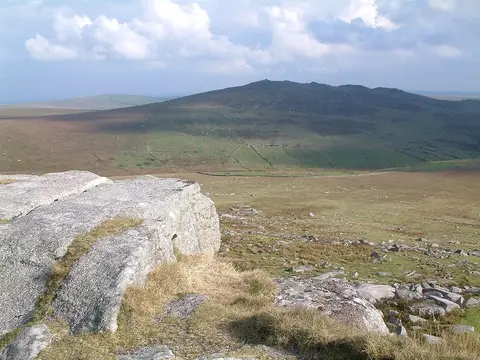
Hill country around Gunyah and Mirboo North where the 1930s “Gippsland monster” scare began.
Where it’s reported
Australia Victoria
Gippsland phantom cat in the news
No recent headlines about the Gippsland phantom cat. Our news desk checks every day — see all cryptid news.
Sources
- NZ Herald: Panther or puss? Claws out over big cat claims (2005)
- Farm Online: Official big cat hunt declared a bust – so why do people keep seeing them? (2021)
- The Standard (Warrnambool): Government takes on search for big cats (2012)
- Scientific American, Tetrapod Zoology: Williams and Lang’s Australian Big Cats (Darren Naish)
- Odd History: Mystery animal of Gippsland
- Dandenong Star Journal: Hunter ‘nabs’ the big one
First published · Updated