Field file · Humanoid · Local legend
Kakamora
Also known as Mumu, Dodore, Kalibohibohi, Tutulangi
Small, long-haired cave people of Solomon Islands lore who avoid fire and turn fierce when cornered; a missionary treated them as real in 1924.
The kakamora are small people in the traditions of the Solomon Islands, especially Makira (San Cristobal), Guadalcanal and Malaita. They are described as between half a metre and one metre tall, with long black hair and long fingernails, living in caves and mountain hideaways and feeding on wild bush foods. They are said to use no fire, to have a mischievous reputation and to become aggressive if cornered. Local names include mumu in southern Malaita, dodore in northern Malaita and kalibohibohi on Guadalcanal; a similar belief, nopitu, is recorded in the Banks Islands of Vanuatu.
Much of what outsiders know comes from the Anglican missionary Charles Fox (1878–1977), who wrote about them in The Threshold of the Pacific (1924) and appeared to take their existence seriously, describing beings without houses, tools or fire who lived in holes and caves. He later used the word as the title of a 1962 book. Another colonial officer, Dick Horton, described very short people he said he had seen in the 1930s at Veramakuru on Guadalcanal, in his 1965 book The Happy Isles.
The belief has been given new life by the 2003 discovery of Homo floresiensis, a small human relative, on Flores in Indonesia. Some writers suggest the kakamora tales might preserve memories of small-statured people, but no archaeological evidence connects any such population with the Solomon Islands. The film Moana (2016) borrowed the name for a crowd of coconut-armoured pirates, which has no relation to the traditional lore.
The kakamora are part of living Melanesian storytelling and are presented here as such.
What does Kakamora look like?
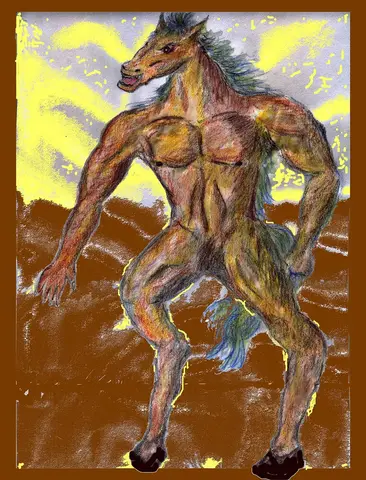
Very small people, half a metre to one metre tall, with long black hair and long fingernails; said to be strong, without houses, tools or fire.
Where is Kakamora seen?
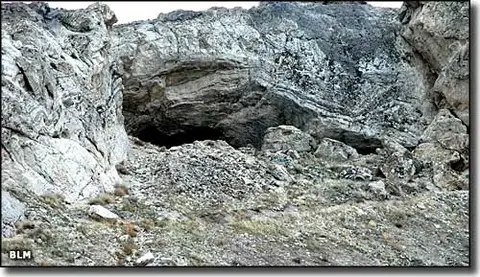
Mountain caves and holes in the forests of Makira, Guadalcanal and Malaita.
Kakamora sightings
- 1924Fox’s The Threshold of the Pacific Solomon Islands
Rev. Charles Fox described the kakamora, apparently as a real population, with footprints and other signs along the rivers.
- 1930sDick Horton’s account Veramakuru, Guadalcanal
Horton later wrote that he saw very short people at the village.
- 1962Fox’s Kakamora Solomon Islands
Fox published a book on the subject; the Solomon Islands press also reported on the subject.
- 2003Flores discovery Flores, Indonesia
The finding of Homo floresiensis led some commentators to suggest that small-people legends may preserve ancient memories, a view without direct evidence in the Solomons.
Is Kakamora real? What could explain it
- Small-people legends are found in many cultures and can express ideas about forest spirits, outsiders and the unseen.
- Animals glimpsed at night, such as cuscus and other forest mammals, may also have fed the tales.
- The link with Homo floresiensis is speculative; Flores is far away and no remains of small humans are known in the Solomons.
Legend, culture and tourism
The Solomon Islands Historical Encyclopaedia records the kakamora as ‘legendary midget humans’, and Disney’s Moana brought the name to a global audience in a very different form.
Places to visit
The country’s national museum, with collections on Solomon Islands culture and history.
Where it’s reported
Sources
First published · Updated