FIELD FILE · MOEHAUHOMINIDLOCAL LEGEND
Moehau
Also known as Moehau Man, Moehau Monster, Hairy Moehau, Maeroero
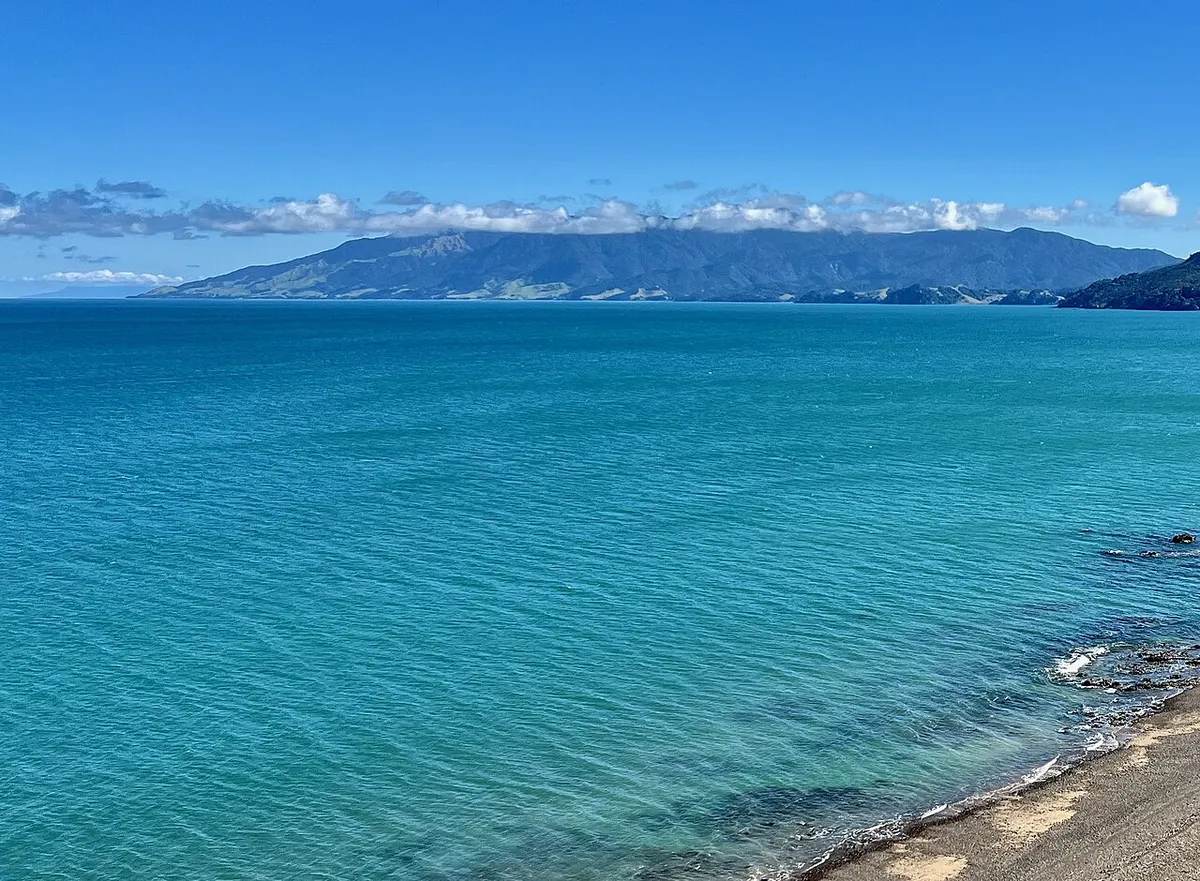
A hairy, man-sized wild being said to roam the Coromandel’s Moehau Range – New Zealand’s answer to Bigfoot, declared “dead” by a newspaper in 1970.
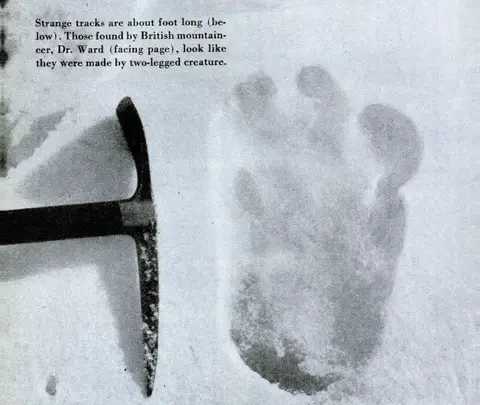
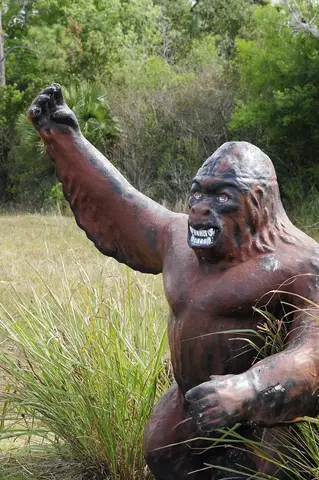
The Moehau, or Moehau Man, is a tall, hair-covered figure said to walk the steep bush of the Moehau Range at the northern tip of the Coromandel Peninsula. It is often called New Zealand’s Bigfoot, and the comparison is fair: the stories describe a man-like creature that leaves big footprints, makes strange cries in the night and throws stones, but never quite steps into a clear photograph.
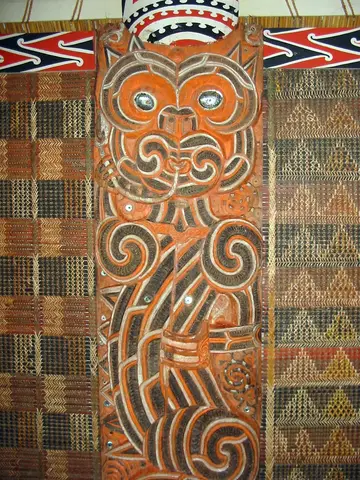
The mountain itself carries deep significance. Mount Moehau – in full Te Moengahau-o-Tamatekapua, the windy sleeping place of Tamatekapua, captain of the Arawa canoe – is a sacred peak of the Marutūāhu iwi of Hauraki, and ancestors are buried there. In Māori tradition the high forests of the range are home to the patupaiarehe, pale supernatural people of the mist, and some tellings link the hairy wild being to the maero or maeroero, wild people of the deep forest described in tribal stories across the country. Those beings belong to their own tradition; the “Moehau Monster” of newspaper headlines is a later, Pākehā overlay on that much older story.
The modern legend took shape in the 20th century among bushmen, gold miners and hunters in the rugged Coromandel. By the late 1960s it was newspaper material: in November 1969 the New Zealand Herald ran a story under the headline “Fearless dog would not attack Hairy Man of Moehau”. A popular theory held that the creature was an ape or baboon that had escaped from a ship anchored off the coast, an idea the director of Auckland Zoo dismissed on the grounds that no such animal could survive in New Zealand bush.
Then, in April 1970, the Auckland and Christchurch papers announced the end of the monster. A Coromandel county councillor, Jim Reedy, told researcher Robyn Gosset there had never been any such creature and that the “Hairy Moehau” had begun as a joke that grew into superstition; another local suggested the “Moehau Monster” had originally been the nickname of an American-built steam log hauler. The Press ran its story as a burial notice for the myth.
The Moehau refused to stay buried. Since 2015 the filmmaker and paranormal investigator Marc Coppell has spent years in the ranges and reports footprints, heavy two-legged footsteps, wood-knocks, thrown stones and scream-like calls, and in 2024 the creature was back in the national media. The author Scott Bainbridge, who has written about New Zealand mysteries, suggests the tales may have been exaggerated during the gold-rush era to keep outsiders away from the diggings – and Department of Conservation staff on the Coromandel say they have heard the legend but never seen a trace of the animal.
- Type
- Hominid
- Status
- Local legend
- First reported
- 1969
- Best-known location
- Moehau Range, northern Coromandel Peninsula
- Also called
- Moehau Man, Moehau Monster, Hairy Moehau, Maeroero
- Reported in
- New Zealand
What witnesses describe
A tall, upright, man-like figure, often given as around 1.8 m (6 ft), covered in long dark hair, with long arms and large, five-toed feet. Witnesses describe screams, footsteps, wood-knocking and stones thrown from cover rather than clear views.
Where and when it’s seen
Steep, dense native bush and regenerating forest of the Moehau Range and neighbouring Coromandel ranges, including old gold-mining country. Reports come mostly from hunters and trampers in remote valleys.
Notable sightings
- November 29, 1969“Hairy Man of Moehau” in the Herald Coromandel Peninsula
The New Zealand Herald reported on the creature under the headline “Fearless dog would not attack Hairy Man of Moehau”, one of the stories that made the legend nationally known.
- April 7, 1970The monster is “buried” Christchurch and Auckland newspapers
The Press, following the Auckland Star the day before, declared the Moehau monster dead after a local councillor said the story had started as a joke.
- 2015Coppell’s search begins Moehau and Coromandel ranges
Paranormal investigator Marc Coppell began years of fieldwork after what he called strange experiences in remote bush, later reporting footprints, wood-knocks and thrown stones and making a cast of a footprint.
- February 2024Back in the headlines Coromandel
Stuff and RNZ revisited the legend with Coppell and author Scott Bainbridge, while the Department of Conservation said its Coromandel staff had never found any evidence.
What could explain it?
- The modern “monster” appears to have grown from bush yarns; a local councillor said in 1970 that it began as a joke that spread into superstition.
- Gold-rush and logging-era storytelling may have embellished the tales, possibly to discourage rivals from the diggings.
- New Zealand has no native primates or other large land mammals, and no bones, nests, droppings or clear photographs have been found.
- Noises in the bush can come from introduced animals such as feral pigs, goats and deer, and possums; falling branches and rockfall account for many “thrown stones”.
- The wild-people traditions of Māori lore – maero and patupaiarehe – are cultural narratives about the forest, not reports of an unknown ape, and should not be read as evidence for one.
Legend, culture and tourism
The Moehau is a staple of New Zealand mystery books, including Robyn Gosset’s New Zealand Mysteries, and was the subject of a 2014 episode of the TV series Boogeymen: Monsters Among Us. Locally it is a campfire favourite among Coromandel trampers and hunters. Mount Moehau itself is a sacred maunga of the Marutūāhu iwi, and visitors are asked to treat the summit area with respect.
Places to visit
The highest peaks on the peninsula, rising above Port Jackson and Fletcher Bay – the heart of Moehau country.
A popular day walk around the foot of the Moehau Range with views of the bush-clad slopes.
Where it’s reported
New Zealand Waikato
Moehau in the news
No recent headlines about the Moehau. Our news desk checks every day — see all cryptid news.
Sources
First published · Updated