Continent file
Cryptids of South America
Amazon giants, Andean lakes and Patagonian monsters.
South America’s cryptids grow from two very different landscapes: the immense Amazon rainforest and the cold glacial lakes and forests of the southern Andes. In Brazil the Mapinguari is a shaggy, foul-smelling giant with backward feet and, in some tellings, a mouth in its belly – a figure of Indigenous and riverside tradition. On the plains of Venezuela and Colombia, El Silbón is said to whistle in the dark while carrying a sack of bones, and on Chile’s island of Chiloé the stunted forest man called the Trauco is blamed for bewitching young women.
Twice, scientists have taken these stories seriously. In 1922 Clemente Onelli, director of the Buenos Aires Zoo, organized a search after an American prospector named Martin Sheffield wrote that he had seen a long-necked animal in a lake near Epuyén; the much-publicized “plesiosaur hunt” found nothing, but it helped make Nahuelito of Nahuel Huapi Lake Argentina’s answer to Nessie. In 1993 the ornithologist David Oren proposed that the Mapinguari might be a surviving giant ground sloth, and he went on to look for one in the Amazon.
Neither idea has held up. Giant ground sloths died out roughly 10,000 years ago, and hair and dung gathered by searchers came from known animals, while Patagonia’s lakes are full of floating logs, boat wakes and large introduced trout. Folklorists read El Silbón and the Trauco as moral tales about family, drink and sex, and they treat the Chupacabra, which reached Chile in 2000, as a legend imported by the media.
Choose a country
Cryptids of South America
Chupacabra
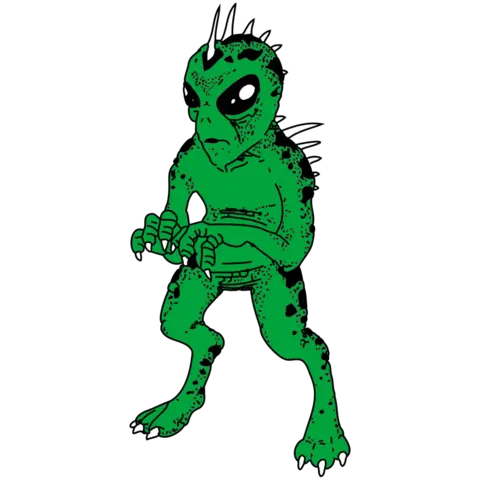
The “goat-sucker” of 1990s Puerto Rico: a spiny, bloodsucking beast blamed for livestock deaths that spread across Latin America and Texas. Widely reported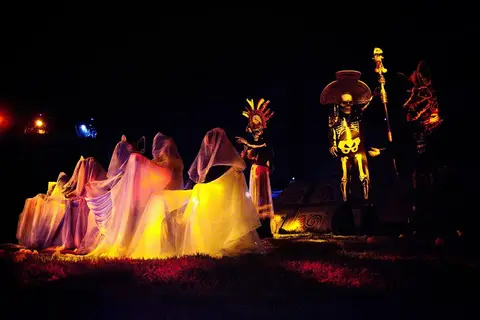
La Llorona
A weeping ghost in white who wanders rivers and canals at night crying for the children she lost – Mexico’s most famous and most widely told legend. Folklore
Nahuelito
Argentina’s own Nessie, a humped serpent said to swim glacial Nahuel Huapi Lake near Bariloche, sparking a famous 1922 “plesiosaur hunt.” Regional legend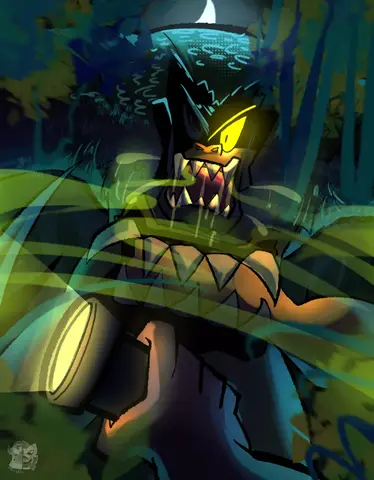
Mapinguari
A shaggy, foul-smelling giant of Amazonian tradition with backward feet and a belly mouth – suspected by one scientist of being a ground sloth. Folklore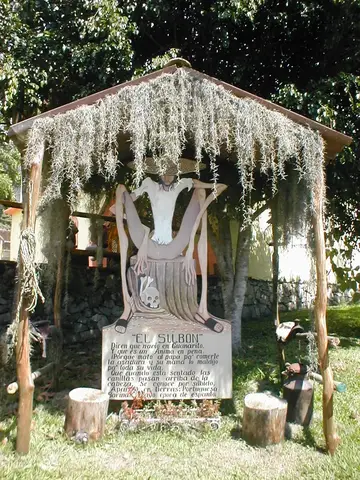
El Silbón
A towering, cursed phantom of the Llanos who carries his father’s bones in a sack – and whose whistle is most dangerous when it sounds far away. Folklore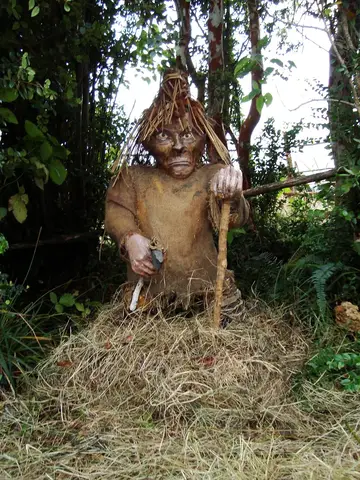
Trauco
A stunted, footless forest man of Chiloé’s folklore who fells trees with a stone axe, curses men with a glance and is blamed for bewitching young women. FolkloreSoucouyant
A skin-shedding old woman of Caribbean folklore who flies as a fireball to drain sleepers’ blood; rice and salt are the classic defences. FolkloreKharisiri
A fat-stealing bogeyman of the Andes, thought by many to be a real danger, that anthropologists read as a story of fear of outsiders and exploitation. Regional legend
Curupira
The backwards-footed forest guardian of Tupi-Guaraní tradition, who leads hunters and loggers astray and is appeased with tobacco and cachaça. Folklore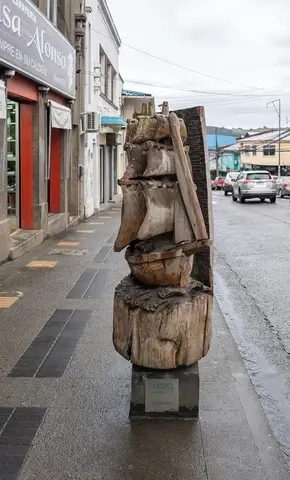
Caleuche
Chiloé’s luminous phantom ship, crewed by sorcerers and the drowned, which is said to vanish into a log or rock and to carry off lost boats. FolklorePiuchén
A blood-drinking winged serpent of Mapuche and Chilote lore, long linked to the vampire bat and sometimes called a precursor of the chupacabra. FolkloreWatramama
A mermaid-like water spirit of Suriname and Guyana, sometimes shown combing her hair on the riverbank, tied to the living Winti faith. Folklore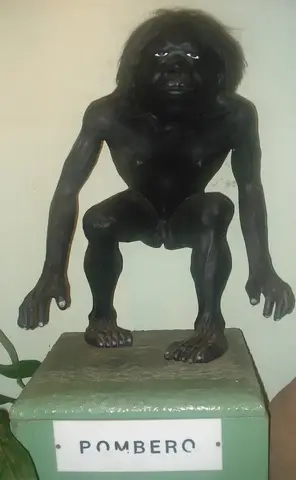
Pombero
The hairy, whistling ‘lord of the night’ of Paraguayan Guaraní folklore, protector of birds and mischief-maker who is appeased with tobacco and honey. Folklore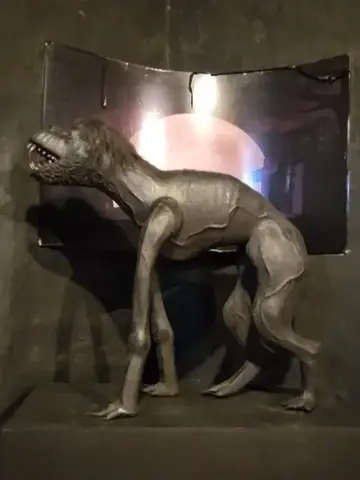
Lobizón
A dog-like beast said to be the seventh son in a family of boys, from Guaraní and settler lore; it inspired Argentina’s presidential godfather custom. Folklore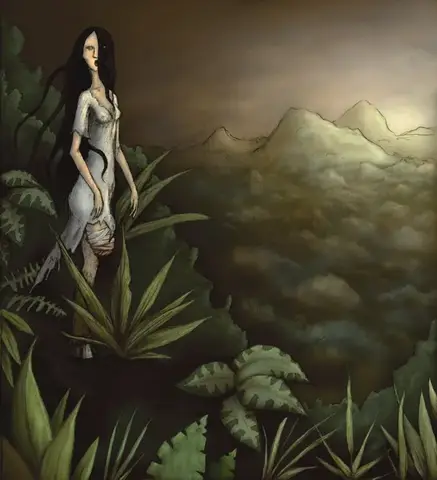
Patasola
A one-legged woman of Colombian forest lore who lures lone men as a beauty, then shows her fangs; a warning tale for hunters and loggers. FolkloreLa Sayona
A white-robed female ghost of Venezuela’s plains, once Casilda, who punishes unfaithful men and reveals a skull face to those who offer a ride. FolkloreJichi
A giant serpent of Bolivia’s lowlands, guardian of lagoons, rivers and springs, said to bring drought if people misuse the water. Folklore