Country file · South America
Cryptids of Argentina
What cryptids are in Argentina? The best-known are Nahuelito, Chupacabra, Lobizón and Pombero, among 7 on file.
Argentina’s most famous mystery animal lives in the far south, among the glacial lakes and forested peaks of northern Patagonia. Nahuelito – Argentina’s answer to Nessie – is said to swim Nahuel Huapi, the vast, deep lake on whose shore stands the resort town of San Carlos de Bariloche. Early settlers heard Indigenous stories of creatures in the Patagonian lakes, including the Mapuche cuero, a hide-like water being, and from 1897 Clemente Onelli, later director of the Buenos Aires Zoo, collected reports of strange animals in the south.
- 7 cryptids
- 7 recorded sightings
Cryptids reported in Argentina

Nahuelito
Argentina’s own Nessie, a humped serpent said to swim glacial Nahuel Huapi Lake near Bariloche, sparking a famous 1922 “plesiosaur hunt.” Regional legend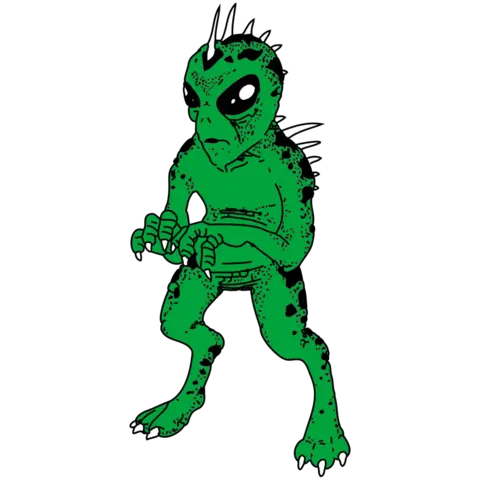
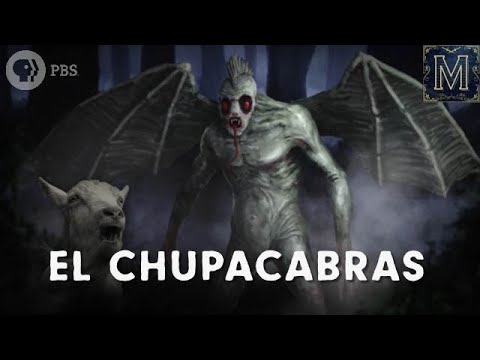
Chupacabra
The “goat-sucker” of 1990s Puerto Rico: a spiny, bloodsucking beast blamed for livestock deaths that spread across Latin America and Texas. Widely reported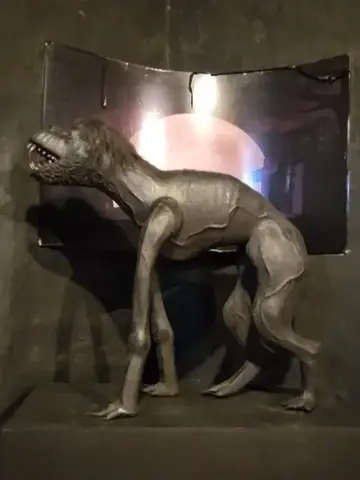
Lobizón
A dog-like beast said to be the seventh son in a family of boys, from Guaraní and settler lore; it inspired Argentina’s presidential godfather custom. Folklore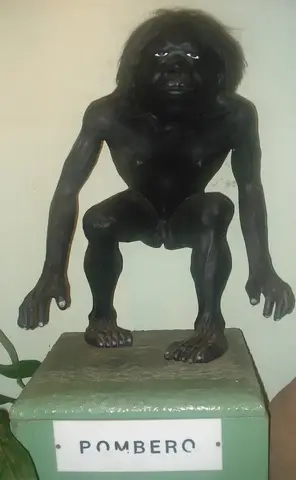
Pombero
The hairy, whistling ‘lord of the night’ of Paraguayan Guaraní folklore, protector of birds and mischief-maker who is appeased with tobacco and honey. FolkloreLuz Mala
A glowing ball of ‘evil light’ floating above the ground in rural Uruguay and Argentina, said to be a soul seeking a grave or marking buried treasure. Folklore
Curupira
The backwards-footed forest guardian of Tupi-Guaraní tradition, who leads hunters and loggers astray and is appeased with tobacco and cachaça. FolklorePiuchén
A blood-drinking winged serpent of Mapuche and Chilote lore, long linked to the vampire bat and sometimes called a precursor of the chupacabra. FolkloreThe legends of Argentina
In 1922 Onelli launched one of the stranger episodes in the history of science: an expedition, armed with elephant guns and dynamite, to find a surviving plesiosaur in a Patagonian lake. Animal-welfare campaigners protested, newspapers abroad followed the hunt, and the team found nothing – while in Bariloche a local businessman paraded a plesiosaur float through the carnival. A century later, Nahuelito still makes the news whenever a tourist video of a strange wake goes viral.
Argentina also shares in the wider Latin American folklore of the chupacabra, whose scares spread south from Puerto Rico and Mexico after 1996. For visitors, the essential monster pilgrimage is a boat trip across Nahuel Huapi from Puerto Pañuelo, in Argentina’s first national park, keeping one eye on the water.
Hotspots
- Nahuel Huapi Lake, Bariloche (Río Negro)
The deep glacial lake where Nahuelito has been reported since at least 1910, at the heart of Nahuel Huapi National Park.
- Villa La Angostura (Neuquén)
Lakeside village on the northern shore of Nahuel Huapi, a base for exploring the lake’s quieter arms where anglers and tourists have filmed strange disturbances.
- Misiones and the north-east
Guaraní-influenced region where the Lobizón and the Pombero are part of rural folklore, and the origin of the presidential-godfather custom for seventh sons.
Sightings timeline
- 1907First presidential godfather baptism Lobizón
The first official baptism of a seventh son with the president as godfather took place, formalising an earlier informal custom.
- 1910George Garret’s sighting Nahuelito
Garret said he saw a creature about 400 metres away whose visible part was 5–7 metres long and stood around 2 metres above the water. He did not tell the story publicly until 1922.
- 1922The Buenos Aires Zoo’s plesiosaur expedition Nahuelito
Spurred by Martin Sheffield’s letter, zoo director Clemente Onelli sent a well-armed search party to the lakes. Protests from animal-welfare campaigners and international press attention followed, but the team returned empty-handed.
- 1922A plesiosaur at carnival Nahuelito
Businessman Primo Capraro built a plesiosaur float for the town’s carnival parade – a prank that briefly sparked rumours the creature had been caught, and an early example of Nahuelito as a local mascot.
- March 12, 1973Decree 848 Lobizón
President Juan Domingo Perón gave legal form to the custom, with a scholarship for the godchild.
- 1988The anonymous photographs Nahuelito
A magazine of the Río Negro newspaper published close-range photos of an object near the shore, sent by a man who did not give his name. He insisted it was neither a log nor a wave; the pictures were never independently verified.
- January 2020Anglers’ viral video Nahuelito
Two men fishing on the lake filmed a strange disturbance in the water, and one said he had seen fins. The clip spread widely on social media, where viewers argued over whether it showed a fish, a staged effect or Nahuelito.