Continent file

Cryptids of Central America & the Caribbean

Island legends, jungle wildmen and the birthplace of the chupacabra.

Between Mexico’s southern border and Panama, and across the islands of the Caribbean, cryptid lore leans toward the supernatural. Cloud forests, volcanic highlands and remote farming and chicle camps gave rise to stories that blend Mesoamerican, Spanish and Afro-Caribbean beliefs, usually told as warnings to travelers, drinkers and children. The hairy Sisimite is said to carry people off to its mountain cave in Guatemala, Belize and Honduras, while El Cadejo, a spectral dog with burning eyes, trails people walking home at night – a white one to guard them, a black one to lead them astray. The cries of La Llorona, the weeping mother, are said to be heard along rivers from Mexico to Panama.

The region’s most famous modern creature came from Puerto Rico. In 1975 a run of livestock deaths around the town of Moca was pinned by a tabloid on the Moca Vampire, and in 1995 a fresh wave of dead goats and chickens introduced the world to the Chupacabra. The spiny, big-eyed “goat-sucker” spread through Spanish-language television and the early internet and soon turned up in Mexico, Central America, Chile and Texas.

Investigators have found little mystery in the evidence. Veterinarians who examined carcasses in 1975 reported wounds consistent with shotgun pellets, and Benjamin Radford’s book Tracking the Chupacabra (2011) noted that the key 1995 eyewitness had watched the film Species shortly before her sighting – its alien closely matches what she described. Stray and feral dogs, which kill livestock with puncture wounds, remain the most likely culprits.

Choose a country

Cryptids of Central America & the Caribbean
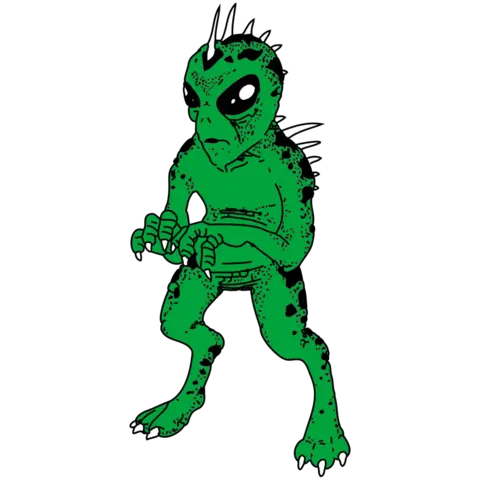
Other · 1995

Chupacabra

Canóvanas, Puerto Rico The “goat-sucker” of 1990s Puerto Rico: a spiny, bloodsucking beast blamed for livestock deaths that spread across Latin America and Texas. Widely reported
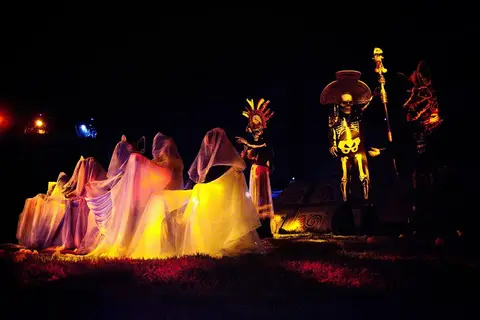
Spectral · 16th century

La Llorona

Canals of Xochimilco, Mexico City A weeping ghost in white who wanders rivers and canals at night crying for the children she lost – Mexico’s most famous and most widely told legend. Folklore

Dogman & canine · Pre-colonial roots; recorded 19th century

El Cadejo

Night roads of Guatemala and El Salvador A spectral dog with burning eyes that follows night travelers in Central America – the white one protects them, the black one leads them to ruin. Folklore
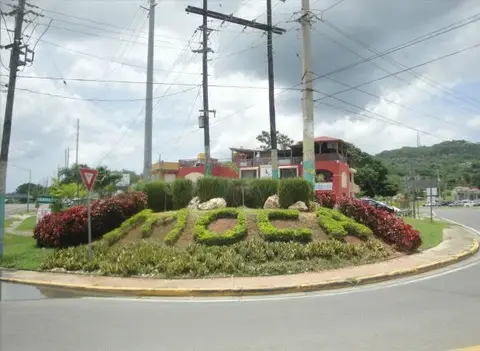
Flying · 1975

Moca Vampire

Moca, northwestern Puerto Rico In 1975 a mystery killer left Puerto Rican livestock dead with puncture wounds; a tabloid named it “the Vampire of Moca,” 20 years before the chupacabra. Regional legend
Hominid · Pre-colonial

Sisimite

Mountain forests of Honduras, Belize and the Yucatán Central America’s hairy wild man of the mountain caves, said to walk on backward feet, fear water and dogs, and carry off people who stray into the forest. Folklore
Humanoid · 1866

Ciguapa

Mountains and forests of the Cibao, Dominican Republic A long-haired, backward-footed forest woman of Dominican folklore, first written down in 1866 and long debated as ancient Taíno lore or fakelore. Folklore
Lake & sea monster · 1950s

Lusca

Blue holes of Andros Island, Bahamas A giant octopus-like beast of Bahamian lore said to lurk in Andros’s blue holes and drag boats and divers down, with arms reportedly 75 feet long. Folklore
Spectral · Oral tradition

Soucouyant

Trinidad and the Caribbean A skin-shedding old woman of Caribbean folklore who flies as a fireball to drain sleepers’ blood; rice and salt are the classic defences. Folklore
Humanoid · Oral tradition

Chickcharney

Pine forests of Andros Island, Bahamas A red-eyed, owl-like elf of Andros’s pine forests whose head turns full circle and who curses those who mock it; science points to an extinct barn owl. Folklore
Humanoid · Pre-modern oral tradition

Alux

Yucatán Peninsula Knee-high guardian spirits of Maya milpas and ruins in Yucatán folklore, said to be placated with offerings and still invoked at building sites. Folklore
Spectral · Oral tradition

La Tulivieja

Rivers and forests of Panama and Talamanca A winged, hat-wearing river ghost of Panama and Costa Rica, the cursed mother of a drowned baby, said to lure careless men and flee at prayer. Folklore
Humanoid · Oral tradition

Güijes

Rivers, ponds and lagoons of Cuba Small, dark, bulging-eyed water imps of Cuban folklore that haunt ponds and rivers, best known from the legends of northern Villa Clara. Folklore
Humanoid · Oral tradition

Papa Bois

Forests of Trinidad and Tobago The horned, hooved ‘father of the forest’ of Trinidad folklore, a shape-shifting guardian who leads hunters astray and is greeted with respect. Folklore
Humanoid · Oral tradition

Tata Duende

Forests of Belize A short, backward-footed forest guardian of Belizean folklore who lures children into the bush and can be fooled by hiding your thumbs. Regional legend
Spectral · Oral tradition

Rolling Calf

Country roads of Jamaica A chain-dragging, fiery-eyed duppy shaped like a calf or goat that blocks Jamaica’s night roads, said to be a dishonest butcher’s ghost. Folklore
Spectral · Oral tradition

La Cegua

Rural roads of Costa Rica, especially Guanacaste A horse-faced ghost of Costa Rican and Nicaraguan lore that appears as a beautiful woman on lonely roads to punish womanisers and drunkards. Folklore