Field file · Humanoid · Folklore
Alux
Also known as Aluxo’ob (plural), Duendes of the Yucatán
Knee-high guardian spirits of Maya milpas and ruins in Yucatán folklore, said to be placated with offerings and still invoked at building sites.
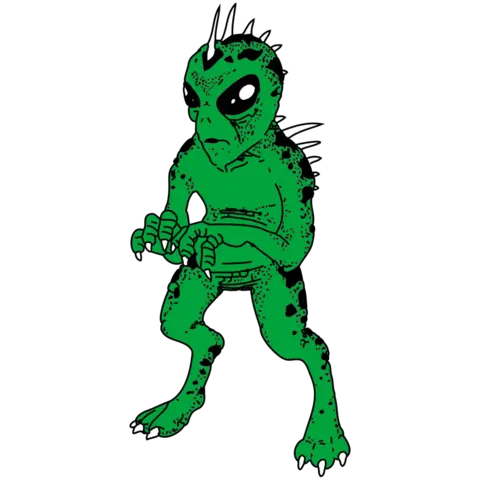
An alux (plural aluxo’ob) is a small spirit of Maya folklore in the Yucatán Peninsula, Belize and Guatemala. Accounts picture it as knee-high, dressed like a miniature traditional Maya person, usually invisible but able to take physical form to frighten, help or trade.
In farming communities the alux is a guardian of fields, caves, stones and the forest. A common tradition says that a farmer builds a small house for it in the milpa, the maize field; for seven years it helps the crops, calls rain and patrols at night, whistling to scare off thieves and animals. After that period the house must be sealed, or the alux may become mischievous. Roadside shrines in the countryside are sometimes called “houses of the alux”. Travellers and workers leave offerings, and some construction crews in the region hold ceremonies to avoid giving offence.
There is debate about how old the belief is. Maya storytellers describe the aluxo’ob as ancient land spirits, but writers note there is no direct proof that they appear in pre-Columbian texts, and the Spanish word duende (goblin) is often used for them, suggesting European influence on the modern form. They are best understood as a living tradition and not as a creature to be hunted.
The alux hit international headlines on 25 February 2023, when Mexican president Andrés Manuel López Obrador posted a photograph he said an engineer had taken three days earlier at the Tren Maya railway works, adding “it appears to be an alux”. Internet users quickly pointed out that the image had circulated online for at least two years.
What does Alux look like?
A child-sized or knee-high figure in Maya dress, often with a stocky frame. Aluxo’ob are generally unseen but are known by whistles, thumps, moved objects and night noises.
Where is Alux seen?
Milpas, caves, ruins, wells, roadside shrines and forests across the Yucatán Peninsula, usually at night.
Alux sightings
- 1996Leyendas y tradiciones del Camino Real Yucatán, Mexico
José Domingo Uc Chi’s collection of regional legends is among the written sources recording alux traditions.
- February 25, 2023The president’s alux photograph Tren Maya works, Mexico
López Obrador shared an image he said was an alux photographed by an engineer on the railway project. Commentators noted that the picture had been online since at least 2021 and many saw the post as tongue-in-cheek.
Is Alux real? What could explain it
- The alux is a folk spirit and not a reported animal; the tradition expresses respect for land, crops and ancient sites.
- Some scholars suggest Spanish or British goblin lore contributed to its modern form, though Maya narrators place it before European contact.
- Night noises in empty fields and old stone structures are naturally attributed to the unseen alux.
- The 2023 photograph was widely seen as a recycled online image.
Legend, culture and tourism
Aluxo’ob are widely known across Yucatán through souvenirs, hotel and park storytelling, and local building customs. The word is also used in Mexican press for the Tren Maya story.
Where it’s reported
Sources
First published · Updated