FIELD FILE · MOCA-VAMPIREFLYINGREGIONAL LEGEND
Moca Vampire
Also known as El Vampiro de Moca, Vampire of Moca
In 1975 a mystery killer left Puerto Rican livestock dead with puncture wounds; a tabloid named it “the Vampire of Moca,” 20 years before the chupacabra.
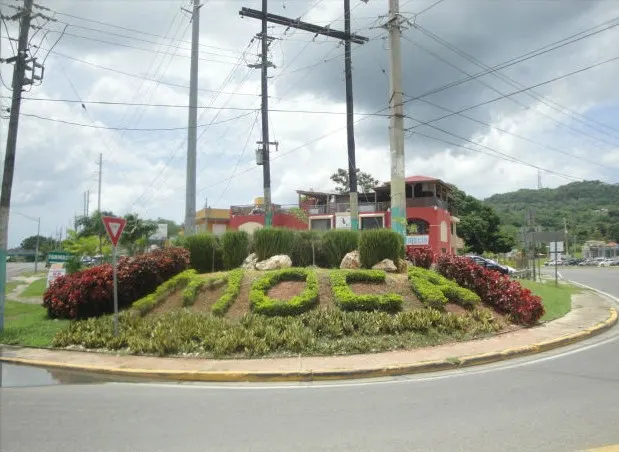
Moca is a hilly town in northwestern Puerto Rico, a close-knit farming community of a few tens of thousands of people. In February 1975, cows, goats, pigs and other animals began turning up dead on hillsides in the Parcela Mamey area. The bodies reportedly bore neat puncture wounds, often on the neck, and witnesses said they seemed to have been drained of blood.
The story might have stayed local if not for El Vocero, a brash new tabloid. Its Moca correspondent, Augusto “Tute” Vale, reported some 15 dead cows on February 25, and within a couple of weeks the paper was running headlines about a “vampire” as police searched caves for the culprit. By late March, more than a hundred animals were said to have died, and El Vocero’s circulation soared.
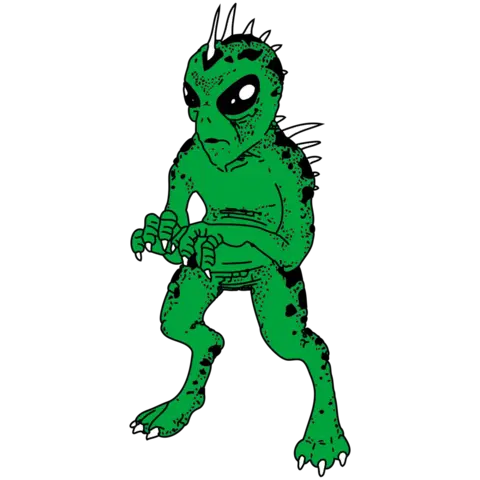
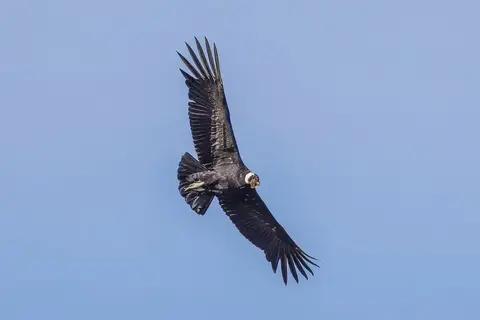
Theories multiplied: a giant bat, a huge snake or bird, a Satanic cult, a real vampire, even aliens and UFOs. One witness described a grey, bird-like creature over a metre tall; armed volunteers patrolled the hills by night and found nothing. Government veterinarians concluded some animals had been killed with shotgun pellets, while police thought the wounds looked like those from a pronged fishing spear. The Puerto Rico Journalists’ Association criticised the sensational coverage, and by the end of July 1975 the headlines simply stopped, with nothing resolved.
Two decades later, a new wave of mysterious livestock deaths swept the island and gave the world the chupacabra. The Vampire of Moca is now seen as its forerunner – and in Moca itself the legend has become part of local identity rather than a source of fear.
- Type
- Flying
- Status
- Regional legend
- First reported
- 1975
- Best-known location
- Moca, northwestern Puerto Rico
- Also called
- El Vampiro de Moca, Vampire of Moca
- Reported in
- Puerto Rico
What witnesses describe
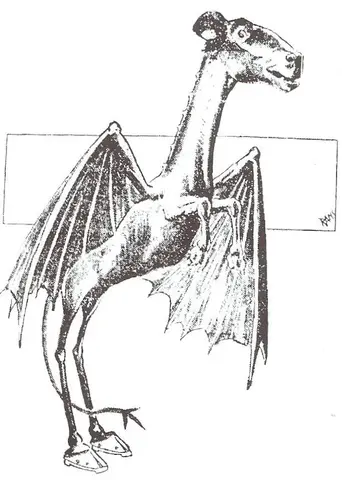
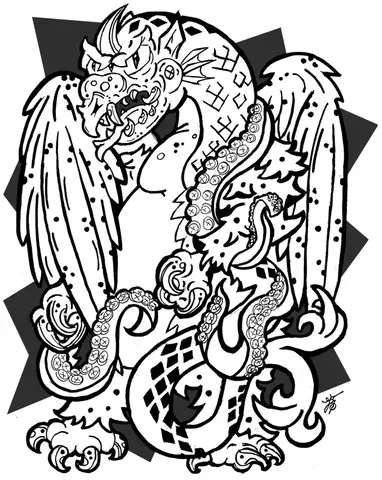
Few witnesses claimed to see the killer itself. Descriptions in the press ranged from a large bat-like flying animal with red eyes to a grey, feathered, bird-like creature more than a metre tall. Most of the “evidence” was the victims: animals with two or more round puncture wounds and apparently little blood.
Where and when it’s seen
The farms and wooded hills of Moca and neighbouring municipalities in northwestern Puerto Rico, at night.
Notable sightings
- February 25, 1975The first report Moca, Puerto Rico
El Vocero published Tute Vale’s report of about 15 cows found dead with no blood in them on a hill in the Parcela Mamey area, launching the story.
- March 1975“The Vampire of Moca” Moca, Puerto Rico
The tabloid began calling the killer a vampire as police searched local caves. By late March, more than 100 dead animals had been attributed to it, and armed residents mounted a night-time hunt that found nothing.
- July 31, 1975The last headline Puerto Rico
El Vocero ran its final story under the headline “Vampiro de Moca ataca de nuevo” (“The Moca Vampire strikes again”). Coverage stopped without any explanation being confirmed.
- 1995The chupacabra arrives Canóvanas and elsewhere in Puerto Rico
A fresh wave of animal deaths and sightings produced the chupacabra legend, which many writers trace back to the Moca events of twenty years earlier.
What could explain it?
- Agriculture Department veterinarians who examined carcasses reported wounds consistent with shotgun pellets, suggesting human involvement.
- Police suggested the punctures matched a fisga, a multi-pronged fishing spear – again pointing to a person rather than a creature.
- Feral or stray dogs kill livestock in exactly this way, often leaving puncture wounds and little visible blood, since blood pools internally after death.
- Common vampire bats, the only real “vampires,” are tiny, drink only about 20 millilitres of blood, and do not live in Puerto Rico.
- A new tabloid competing for readers during an economic crisis had every reason to keep a frightening story running, and its coverage was condemned by Puerto Rican journalists at the time.
Legend, culture and tourism
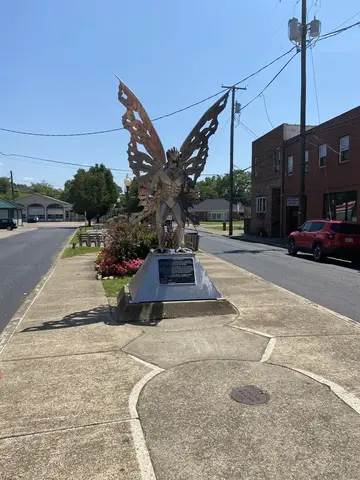
In Moca the vampire has been embraced with good humour: a local baseball team is called Los Vampiros de Moca, and the episode turns up in songs and local memory. The 1975 scare is regularly revisited in Puerto Rican media, including an episode of the Spanish-language podcast Radio Ambulante, as the prehistory of the chupacabra.
Where it’s reported
Puerto Rico Moca
Moca Vampire in the news
No recent headlines about the Moca Vampire. Our news desk checks every day — see all cryptid news.
Sources
First published · Updated