Country file · Central America & the Caribbean
Cryptids of Costa Rica
What cryptids are in Costa Rica? The best-known are La Cegua, La Tulivieja, El Cadejo and La Llorona, among 5 on file.
Costa Rica’s legends come from rural life in the Central Valley and the cattle country of Guanacaste. Roads, rivers and mountain trails at night are the settings of La Cegua, the horse-faced woman who punishes unfaithful and drunken men, and of La Llorona and the black-dog Cadejo.
- 5 cryptids
- 2 recorded sightings
Cryptids reported in Costa Rica
La Cegua
A horse-faced ghost of Costa Rican and Nicaraguan lore that appears as a beautiful woman on lonely roads to punish womanisers and drunkards. FolkloreLa Tulivieja
A winged, hat-wearing river ghost of Panama and Costa Rica, the cursed mother of a drowned baby, said to lure careless men and flee at prayer. Folklore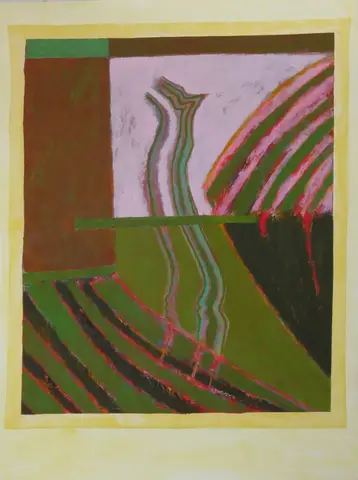
El Cadejo
A spectral dog with burning eyes that follows night travelers in Central America – the white one protects them, the black one leads them to ruin. Folklore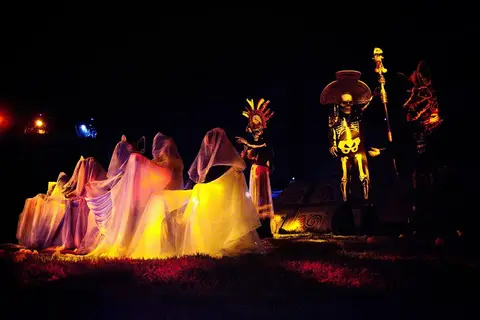
La Llorona
A weeping ghost in white who wanders rivers and canals at night crying for the children she lost – Mexico’s most famous and most widely told legend. Folklore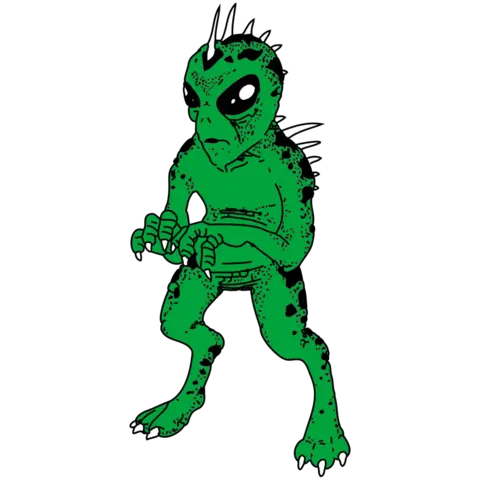
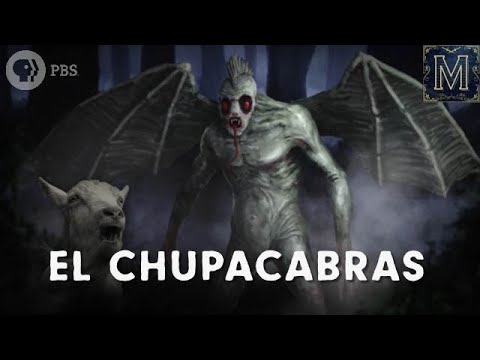
Chupacabra
The “goat-sucker” of 1990s Puerto Rico: a spiny, bloodsucking beast blamed for livestock deaths that spread across Latin America and Texas. Widely reportedThe legends of Costa Rica
The Talamanca mountains on the Panama border add Bribri tradition, where the Tulevieja story has roots. These are folktales and moral warnings, and are retold in schools, festivals and storytelling.
Hotspots
- Guanacaste
Cattle country and festivals where La Cegua stories are told.
- Talamanca
Bribri and Cabécar lands tied to the Tulevieja legend.
Sightings timeline
- 1998Zeledón’s Leyendas costarricenses La Tulivieja
Elías Zeledón Cartín’s collection of Costa Rican legends is a standard printed source for the Tulevieja story.
- 2003Diccionario de mitología bribri La Tulivieja
Carla Jara and Alí García’s dictionary of Bribri mythology is cited for the legend’s Talamancan roots.