COUNTRY FILE · CENTRAL AMERICA & THE CARIBBEAN
Cryptids of Puerto Rico
What cryptids are in Puerto Rico? The best-known are Chupacabra and Moca Vampire.
For a small island, Puerto Rico has had an outsized influence on the world’s monster lore: it is the birthplace of the chupacabra, the “goat-sucker” that has since spread from Chile to Texas. The story began in 1995, when farmers around Canóvanas and elsewhere started finding goats, chickens and other animals dead with small puncture wounds. A witness’s description of a spiny-backed, big-eyed creature, a catchy name popularised on the radio and a mayor leading armed search parties turned a rural mystery into a global sensation.
Cryptids reported in Puerto Rico
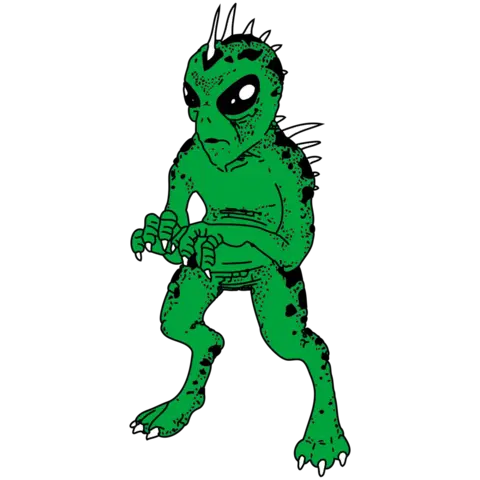 OTHER · 1995
Chupacabra
Canóvanas, Puerto Rico
The “goat-sucker” of 1990s Puerto Rico: a spiny, bloodsucking beast blamed for livestock deaths that spread across Latin America and Texas.
WIDELY REPORTED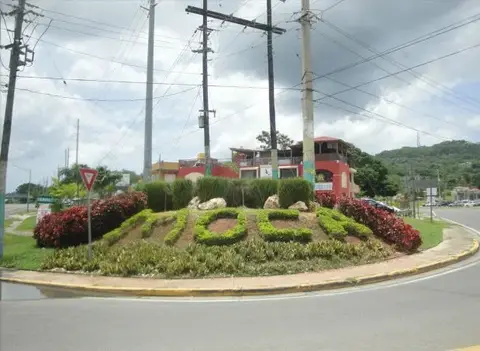 FLYING · 1975
Moca Vampire
Moca, northwestern Puerto Rico
In 1975 a mystery killer left Puerto Rican livestock dead with puncture wounds; a tabloid named it “the Vampire of Moca,” 20 years before the chupacabra.
REGIONAL LEGENDThe legends of Puerto Rico
Islanders had seen something like it before. In 1975, in the hill town of Moca in the northwest, dozens of farm animals were found dead with neat wounds and apparently little blood, and the brand-new tabloid El Vocero blamed “el Vampiro de Moca.” Government veterinarians reported shotgun pellets and police suspected a pronged fishing spear; the headlines simply stopped that summer. The scare unfolded during an economic crisis, and Puerto Rican writers have since read the island’s bloodsuckers as a metaphor for outside forces draining it.
Today the chupacabra is as much a joke, a protest symbol and a merchandise boom as a monster, and Moca proudly embraces its vampire, whose name has been borrowed by a local baseball team. Visitors interested in the legends can explore the countryside around Canóvanas in the northeast, or the green farming hills around Moca where the earlier story broke.
Hotspots
Northeastern town at the heart of the 1995 chupacabra panic, where the mayor led much-publicised hunts for the creature.
Northwestern hill town where the 1975 “Vampire of Moca” livestock killings first made headlines.
Sightings timeline
- 1975The Moca vampire Chupacabra
A run of livestock deaths around Moca was blamed on a mysterious “vampire.” Investigators considered wild dogs and even a cult; the episode is now seen as a precursor to the chupacabra wave twenty years later.
- February 25, 1975The first report Moca Vampire
El Vocero published Tute Vale’s report of about 15 cows found dead with no blood in them on a hill in the Parcela Mamey area, launching the story.
- March 1975“The Vampire of Moca” Moca Vampire
The tabloid began calling the killer a vampire as police searched local caves. By late March, more than 100 dead animals had been attributed to it, and armed residents mounted a night-time hunt that found nothing.
- July 31, 1975The last headline Moca Vampire
El Vocero ran its final story under the headline “Vampiro de Moca ataca de nuevo” (“The Moca Vampire strikes again”). Coverage stopped without any explanation being confirmed.
- 1995The chupacabra arrives Moca Vampire
A fresh wave of animal deaths and sightings produced the chupacabra legend, which many writers trace back to the Moca events of twenty years earlier.
- August 1995Madelyne Tolentino’s description Chupacabra
Tolentino described a spiny, big-eyed, upright creature seen outside her home. Her account and the sketch based on it fixed the image of the chupacabra in the public mind.
Latest from Puerto Rico
No recent cryptid headlines from Puerto Rico. See all the latest cryptid news.
Videos
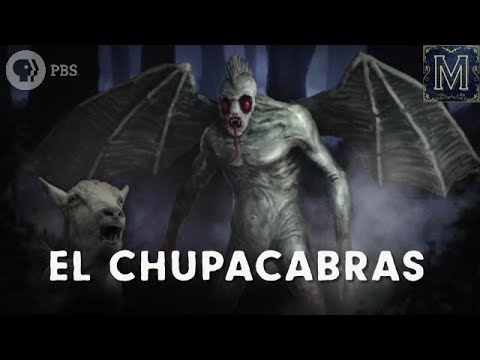 ▶ VIDEO
El Chupacabras, a Modern Mystery
Monstrum | PBS StoriedFolklorist Emily Zarka traces both the Puerto Rican and the Texas chupacabra and the real explanations behind them.