Field file · Humanoid · Folklore
Ciguapa
Also known as Ciguapo (male form)
A long-haired, backward-footed forest woman of Dominican folklore, first written down in 1866 and long debated as ancient Taíno lore or fakelore.
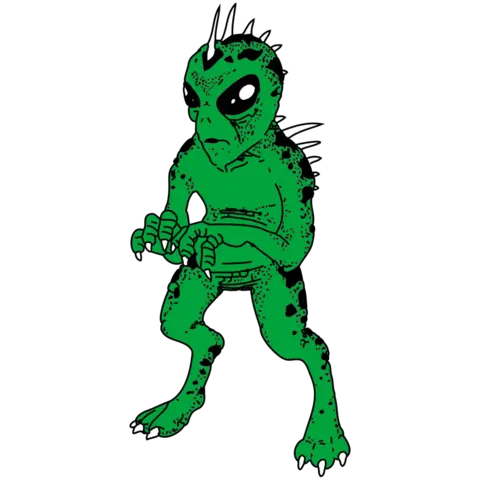
The Ciguapa is a nocturnal forest woman of the Dominican Republic. She is usually described as small, with dark or sometimes blue skin, no clothing and hair so long it covers her body. Her feet point backwards, so her tracks lead hunters the wrong way.
Tellings split between a deadly seductress whose gaze lures lone travellers to their doom and a shy, mostly harmless creature that eats fruit and small animals, raids crops and braids horses’ manes at night. Capturing one is said to be futile because she dies quickly in captivity. She is placed in the mountains, caves and forests of the Cibao region.
The first widely cited written version is a story by Francisco Javier Angulo Guridi in 1866. Many Dominicans believe she is a survivor of Taíno tradition, and the writer Juan Bosch argued so in 1935, but scholars such as Ginetta Candelario find no pre-Columbian evidence and see a post-contact blend of European mermaid and local forest lore.
Under the dictator Rafael Trujillo the figure was promoted as a symbol of mixed national heritage, a use critics link to anti-Black and anti-Haitian ideas. Since the 1960s Dominican feminists and diaspora artists have reclaimed her as a symbol of identity and resistance.
What does Ciguapa look like?
A small, nude woman with dark or blue skin, hair to her knees, backward-pointing feet, a bewitching gaze and a thin, whining cry.
Where is Ciguapa seen?
Mountain forests, caves, rivers and treetops, mainly in the Cibao region; active at night and said to avoid crowds.
Ciguapa sightings
- 1866Angulo Guridi’s La Ciguapa Dominican Republic
Francisco Javier Angulo Guridi published the story generally regarded as the first written account of the Ciguapa.
- 1935Juan Bosch’s Indios Dominican Republic
Writer Juan Bosch reinforced the creature’s traits in an essay and suggested a Taíno origin, an idea later disputed by scholars.
- 1949Jaime Colson’s painting Dominican Republic
Jaime Colson’s 1949 painting is regarded as the first recognised artwork of the Ciguapa.
- 2012A gecko named for the legend Hispaniola
Scientists named the gecko Sphaerodactylus ciguapa after the creature in 2012.
Is Ciguapa real? What could explain it
- Scholars describe the Ciguapa as a legend shaped after Spanish contact, with no firm evidence of a Taíno origin.
- Some writers read the story as a memory of escaped enslaved people living in the hills, whose reversed tracks might have misled pursuers.
- Night cries of owls, including the Cuban species once called siguapa by naturalists, may have contributed to the name and the eerie calls.
Legend, culture and tourism
The Ciguapa features in Dominican children’s books such as Julia Alvarez’s The Secret Footprints (2002), films, songs and paintings, and she is an everyday part of Dominican identity.
Where it’s reported
Sources
First published · Updated