FIELD REPORT · ALASKA & HAWAII
Alaska and Hawaii: Land Otters, a Lake Mystery and the Night Marchers
A Hawaiian writer pushes back on night-marcher myths, a Tlingit elder explains the Kóoshdaa Káa, and Iliamna Lake’s monster hunt remains unfinished.
America’s two newest states rarely make the cryptid headlines. There were no viral videos from Alaska or Hawaii this year and no new expeditions that we could find. What there was, over the past twelve months, was something more useful: people who belong to the traditions behind two of these stories explaining them in their own words, and a reminder that Alaska’s best-known lake monster search never published an answer.
Two of the three subjects here are not “cryptids” in the zoological sense at all. The night marchers of Hawaii and the Kóoshdaa Káa of the Tlingit are part of living Indigenous belief, tied to genealogy, land and proper conduct. We include them because visitors often meet them first through ghost tours and monster lists.
Hawaii: “If you can’t run, you must hide”
In October 2025, Ka Wai Ola, the newspaper of the Office of Hawaiian Affairs, ran a cover feature on the night marchers – nā huakaʻi o ka pō, often shortened to huakaʻi pō. Its guest author, writing from teachings passed down in his own family, describes processions of spirits who escort their aliʻi (chiefs) in death as they did in life. Warnings, he writes, may include the beat of the pahu (drum), the sound of the pū (shell trumpet), a foul smell and a line of approaching torchlight.
The protocol he records is simple: run if you can; “if you can’t run, you must hide,” and do not look. If it is too late for either, lie face down and recite your moʻokūʻauhau, your genealogy, in the hope that an ancestor in the procession will recognize you. Planting a hedge of kī (ti) is believed to turn a procession aside from a house.
Just as notable is what the author rejects. Popular online claims that the marchers chase people, haunt mischievously or attack with “lasers,” he writes, have no basis in oral tradition or written records. Accounts differ from family to family, village to village and island to island, and he stresses that his family does not speak for all Hawaiians. For the people of old, he writes, the right response was not terror but respect – knowing how to stay out of the way.
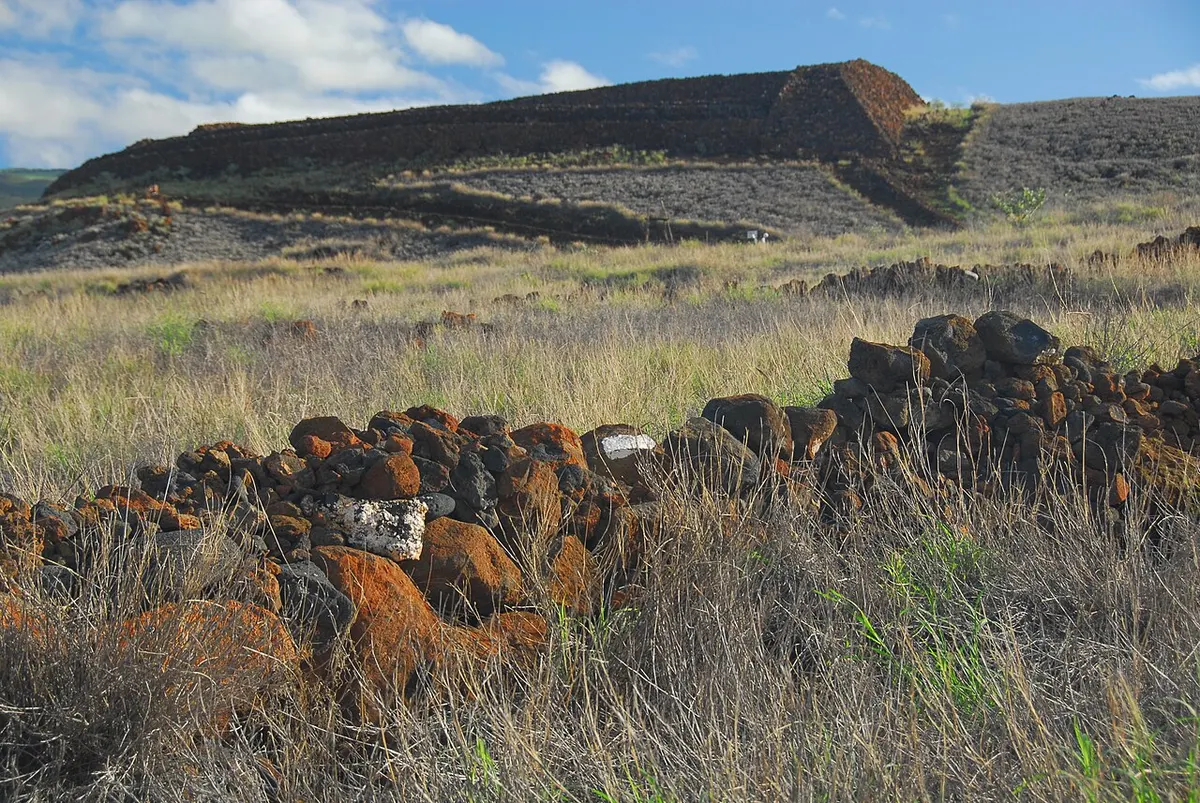
In July 2026, storytellers Lopaka and Tanya Kapanui, who run the Mysteries of Hawaiʻi tours, tied the tradition to one of Hawaiʻi Island’s most important sites in their Aloha State Daily column. Puʻukoholā Heiau at Kawaihae was completed in 1791 for Kamehameha, with stones said to have been passed hand to hand along a human chain from Pololū Valley; the Kapanuis share the account of a woman in the nearby Kawaihae Hawaiian Homes community, descended from the heiau’s builders, who recalls watching marchers pass her house toward Puʻukoholā as a child and believes those ancestors still walk on nights of no moon. The site has been a National Historic Site since 1972.
There is nothing here to “investigate” in the way monster hunters investigate a lake. Night-marcher accounts are personal and religious experiences, and no one has offered physical evidence – nor would most Hawaiians think it the point. Visitors who want to learn more should start with Hawaiian-authored sources and treat heiau, burial grounds and other sacred places with care.
Southeast Alaska: the Kóoshdaa Káa of Thomas Bay
In Tlingit tradition, the Kóoshdaa Káa – usually translated “land otter man” and often anglicized as Kushtaka – is a shape-shifting being that can lure people away into the wilderness or toward the water. In some stories it is cruel; in others it saves people from freezing to death, often by making them Kóoshdaa Káa. Those who vanish, some say, become Kóoshdaa Káa themselves.
In a long essay for Outdoor Life, updated in October 2025, Southeast Alaska writer Bjorn Dihle explores why Thomas Bay, near Petersburg, has such a fearsome reputation. Part of the answer is Harry Colp’s manuscript The Strangest Story Ever Told, published in 1953, three years after his death, in which a prospector named Charlie returns from the bay with gold and a tale of hairy, sore-covered creatures swarming up a ridge toward him. Dihle reports that many Tlingit still avoid the bay.
Tlingit elder David Katzeek told Dihle that the Kóoshdaa Káa works on a person’s mind and self-esteem – “It basically tries to steal your mind” – and recalled being tricked by an illusion of his own family. Dihle, who began as a skeptic and credits isolation and harsh conditions for many of the stories, ends by treating the being as a way of talking about fear, pain, anger and madness in a hard landscape – while recounting unsettling experiences of his own.
Iliamna Lake: the search that went quiet
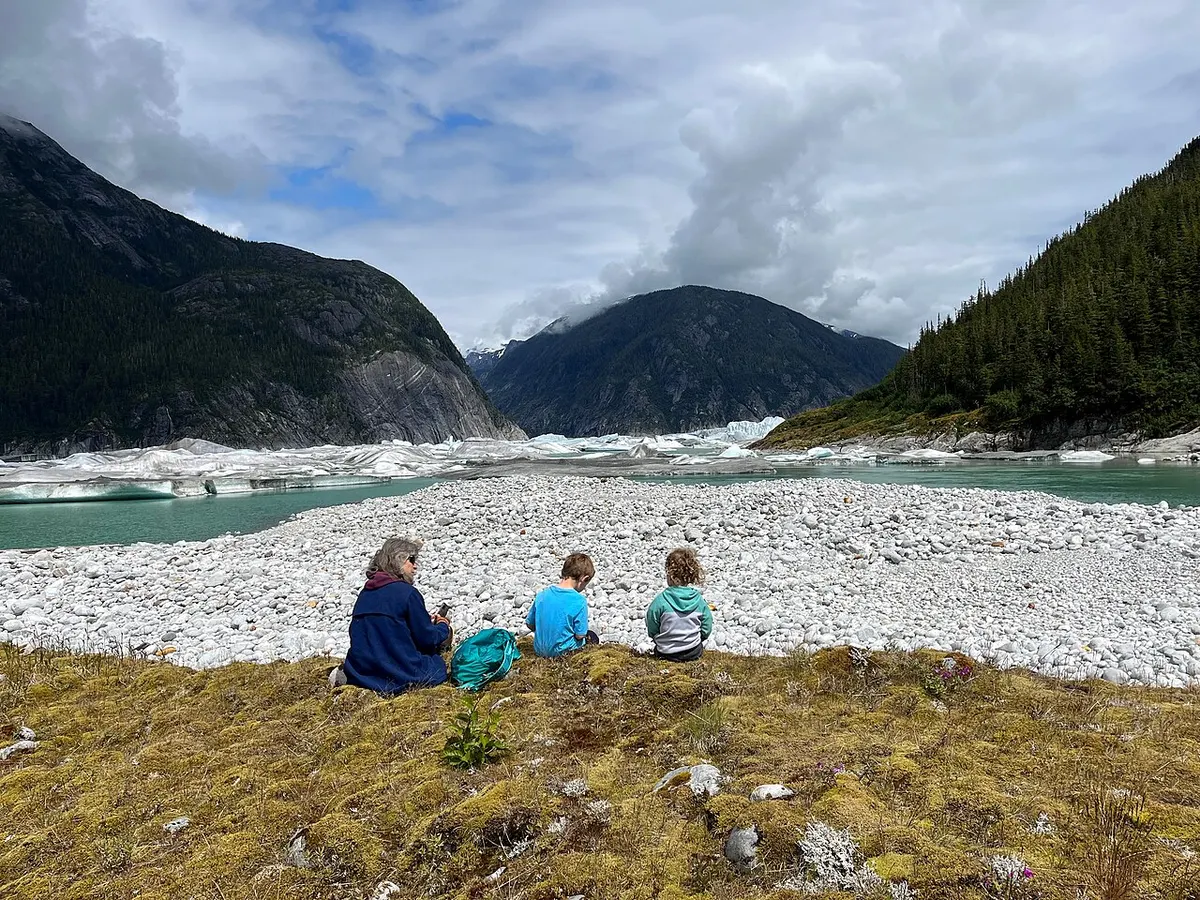
Iliamna Lake, at the northern end of the Alaska Peninsula, is the state’s largest lake, and people living around it have reported glimpses of something big in its water since the late 1940s, Alaska Public Media reported. The Iliamna Lake monster got its last serious push in 2019. That May, the Anchorage Daily News profiled Bruce Wright, a former National Marine Fisheries Service marine ecologist, who planned that summer to lower a deep-water video camera, part of an $8,000 system, into a lake as much as 1,000 feet deep, and to collect water samples for DNA. Mark Stigar, a retired Alaska Army National Guard colonel with a summer home in Iliamna, was to run the camera.
The witness accounts the paper collected are striking. Gary Nielsen, who runs the general store in Kokhanok, said that in 2017 he and other villagers watched several large animals surface about a mile offshore, the biggest perhaps 65 feet long. Stigar said that in July 2017 something tore hooks from his longline and dragged its 38-pound anchor about 50 yards. The paper noted that it had offered a $100,000 reward for evidence in 1980; no one collected.
Wright’s favored suspect is the sleeper shark, which can reach about 20 feet – though these are ocean sharks that would somehow have to be visiting or living in fresh water. Others have suggested sturgeon, which can also grow to about 20 feet. State fisheries biologist Forrest Bowers offered plainer explanations – beluga whales following salmon upriver, or the lake’s seals looking bigger than they are – and University of Washington seal researcher Sean Brennan told the paper he would not rule out a determined seal as the culprit behind damaged fishing gear.
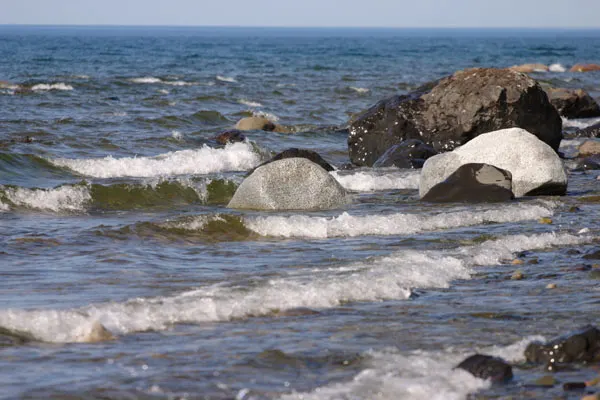
Seven years on, we could find no published footage or DNA results from the 2019 effort, and no new expedition. That leaves Iliamna where it has been for decades: a vast, cold, deep lake with a handful of vivid sightings by people who know it well, plausible known animals as candidates, and no physical evidence of anything unknown.
Sources
- Ka Wai Ola (Office of Hawaiian Affairs): Nā Huakaʻi o ka Pō (Oct. 1, 2025)
- Aloha State Daily: Huakaʻi Pō at Puʻukoholā, by Lopaka and Tanya Kapanui (July 8, 2026)
- Wikipedia: Nightmarchers
- Outdoor Life: The Tlingit legend of the Kóoshdaa Káa, by Bjorn Dihle (updated Oct. 13, 2025)
- Wikipedia: Kushtaka
- Anchorage Daily News: Inside one man’s quest to photograph the elusive Iliamna Lake monster (May 5, 2019)
- Alaska Public Media: Search renewed for Iliamna Lake’s ‘monster’ with DNA testing and underwater video (May 8, 2019)