FIELD REPORT · PACIFIC NORTHWEST
Pacific Northwest Bigfoot, Fall 2026: New Reports and a Film Fight
A 1966 reel challenging the Patterson–Gimlin film, fresh witness reports from Washington and Idaho, and a busy Sasquatch calendar from Oregon to B.C.
Washington Oregon Idaho Canada
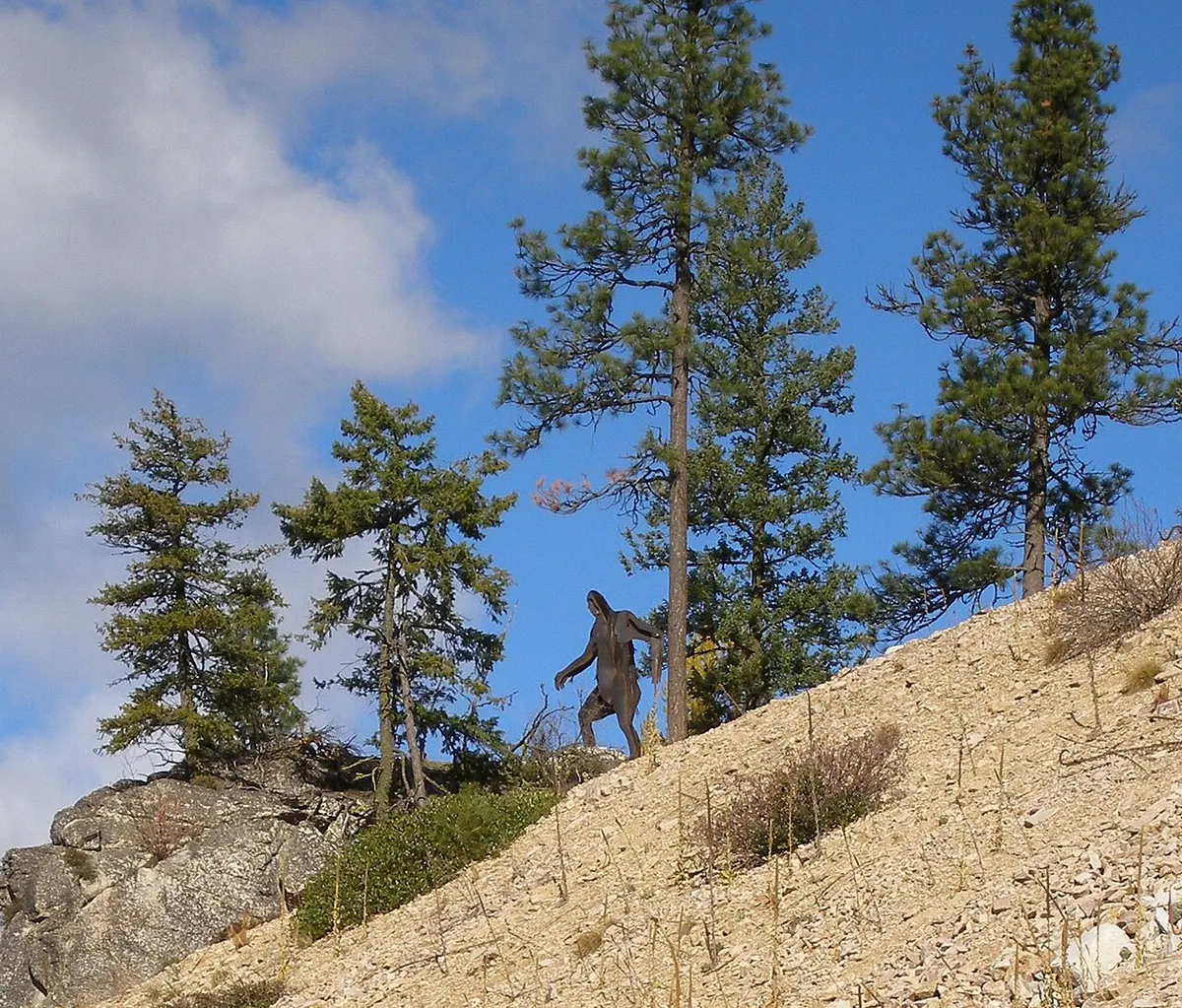
Autumn is peak season for Bigfoot in the Pacific Northwest – hunters and hikers are in the woods, festivals are winding down, and conferences are gearing up. This year the region’s biggest Sasquatch story is not a new sighting at all but an old piece of film: a documentary opening on October 20 says a reel kept for decades in a family safe shows a rehearsal for the most famous Bigfoot footage ever shot. Alongside it, witnesses in Washington and Idaho have filed a handful of new reports, and British Columbia is in the middle of a lively run of Sasquatch events.
Here is what has happened across Washington, Oregon, Idaho and British Columbia over the past several months, state by state, with every claim attributed to whoever made it.
The big one: a ‘rehearsal’ reel and the Patterson–Gimlin film
Capturing Bigfoot, directed by Marq Evans, opens in New York and Los Angeles and on Prime Video on October 20 – National Bigfoot Day, and the 59th anniversary of the 1967 Patterson–Gimlin film, according to Dread Central’s report on the release. The documentary centers on a 16mm reel that Teresa Brooks found among the belongings of her late father, Norm Johnson, who worked in Boeing’s film lab in Seattle. Evans told People that markings on the film date the clip to 1966 and that it represents “a trial run, a rehearsal” for the famous Bluff Creek footage. Portland’s KPTV and FOX 13 Seattle both covered the film in early October.
As far as we can find, the reel has not been examined in public by independent experts, and some believers reject it outright. Online, critics have accused the film of being AI fakery, NPR reported in April, and BFRO founder Matt Moneymaker, asked about the reel before its release, questioned how anyone could trust newly surfaced footage in “the age of AI,” according to The Times of London as summarized on the film’s Wikipedia page. We look at the claims in detail in our separate report on the reel.
Washington
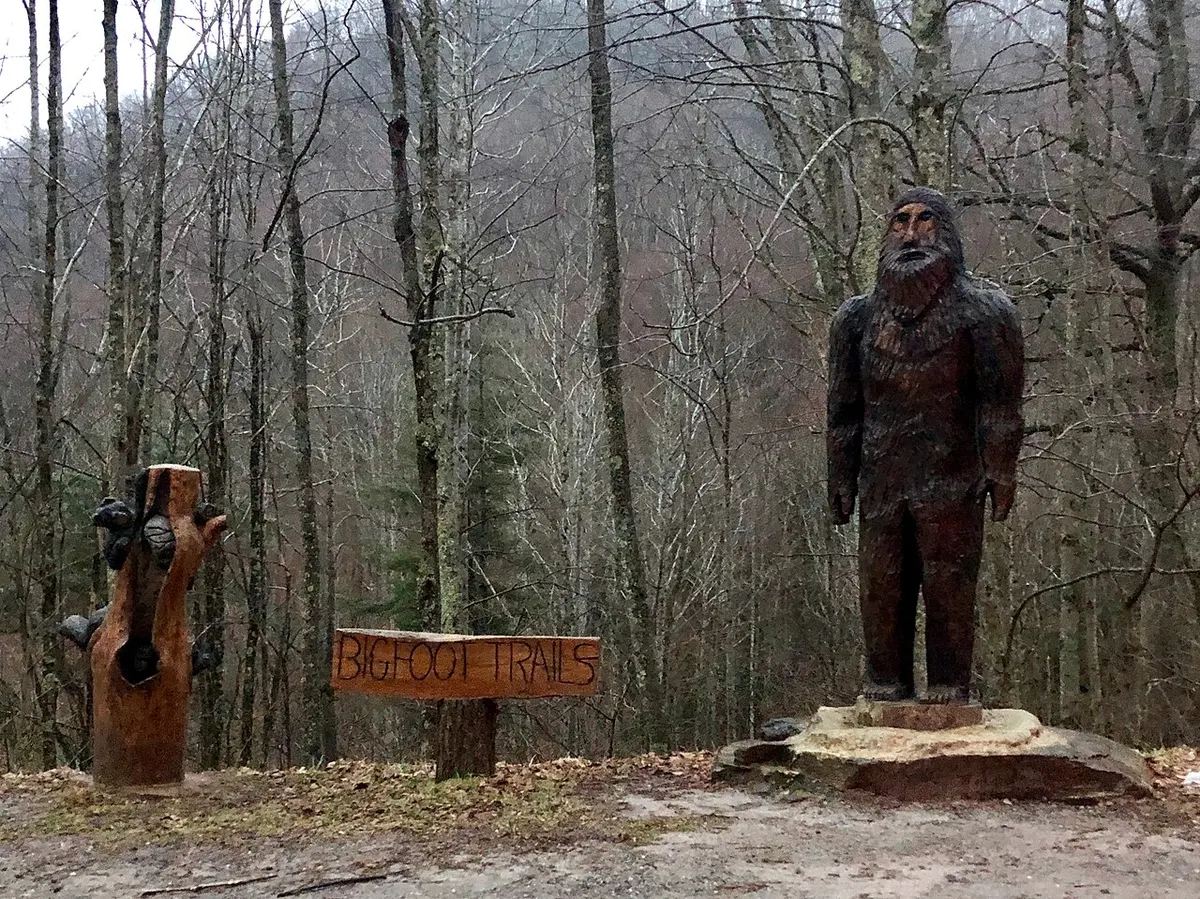
On October 7, Everett’s Daily Herald published a tour of Bigfoot landmarks in and around Snohomish County – from the wooden Sasquatch at Index’s Espresso Chalet to a 12-foot cedar carving hoisted into place in May outside Squatchy’s gift shop, at the Whidbey Island end of the Deception Pass Bridge. It is a reminder that in Washington Bigfoot is as much a civic mascot as a mystery.
The state’s most notable new witness report came in May. In BFRO report #80159, a motorist said that around noon on May 8 she saw an upright, reddish-brown, furry figure at the top of a roadside embankment on the Wind River Highway north of Carson in Skamania County, just after rocks and a large boulder had slid down into the ditch. The BFRO classed it as a Class A report. Read our closer look at the Wind River report.
The BFRO also scheduled a four-day Washington expedition for June 25–28, led by Melissa Martinson; we found no published results. Next up is the Sasquatch Summit on November 13–14 at the Quinault Beach Resort & Casino in Ocean Shores, a conference that has run since 2013. Its posted lineup includes Russell Acord and Mireya Mayor of Expedition Bigfoot, Jon and Sara Brown of Salish Sasquatch, and the BFRO’s Scott Taylor.
Idaho
Idaho produced the summer’s most dramatic – and least corroborated – story. In BFRO report #81202, a teenage camper reported that her group of ten, camping in the Payette National Forest near Lost Valley Reservoir in Adams County over Memorial Day weekend (May 22–25), heard whistles and knocks, that one of them saw a nine-foot figure with reflective eyes, and that another later said he shot one of three or more creatures that circled them near a friend’s camp. The Denver Gazette and Fox News both carried the account. No body, blood, video or audio has been made public.
A few weeks later, on June 13, a Boise-area hiker named Donny Schmidt reported seeing a reddish-haired, two-legged figure rise from the shade about 60 to 70 yards away near Deadwood Dam in Valley County (BFRO report #81276). He told the BFRO that he did not recognize it as a bear or any other animal, but compared its color to a cinnamon black bear. Both stories are covered in our Idaho report.
September also marked one year since the death of Jeff Meldrum, the Idaho State University anthropologist who was the most prominent academic voice arguing that Sasquatch deserved scientific study. Boise State Public Radio reported his death in September 2025; he appears in Capturing Bigfoot defending the 1967 film.
Oregon
Oregon has been quiet on the sightings front. The newest Oregon entry in the BFRO database is report #79359, in which a 60-year-old deer hunter said he heard heavy wood knocks near Hyatt Lake in Jackson County, close to the Pacific Crest Trail, on October 20, 2025. He heard something large crash away through the trees but saw nothing, and made no recording; the BFRO’s investigator wrote that the hunter, a bird-watcher, was sure the sounds were not woodpeckers.
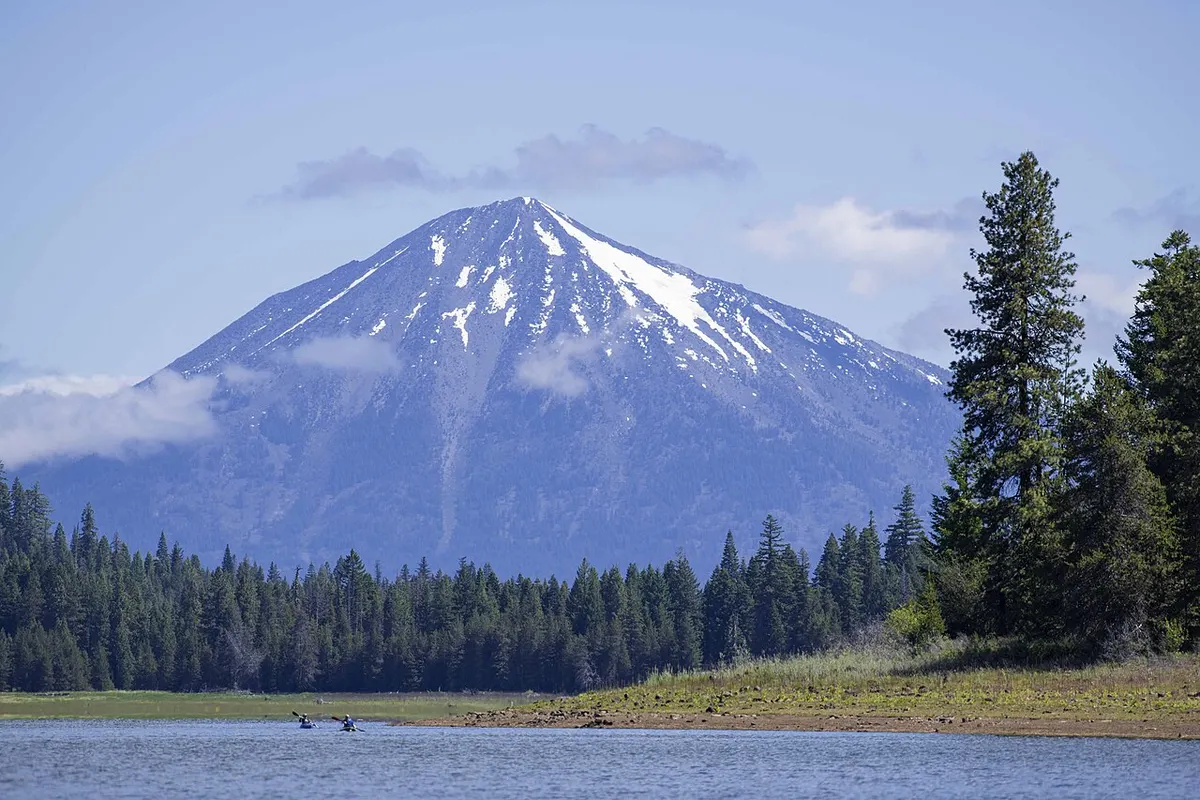
The state’s Bigfoot calendar was busier. On September 26, Michelle Heaton of Sweet Home Sasquatch hosted a free talk in Sweet Home with Sara Brown of Salish Sasquatch, covering regional sightings and Salish cultural connections. On August 1, Elgin held its first Sasquatch Festival, with a Sasquatch calling contest and a talk by researcher Barbara Shupe at the town’s excursion-train depot. And on July 10–11, Oakridge staged its third Sasquatch Summer Fest at Greenwaters Park.
British Columbia
In British Columbia, the name Sasquatch is itself a borrowing – from the Halq’eméylem word sásq’ets of the Sts’ailes people of the Harrison River valley, for whom the being is a spiritual caretaker of their territory rather than an undiscovered ape. That heritage was front and center at the 14th annual Sasquatch Days in Harrison Hot Springs on June 13–14, co-hosted by the Village and the Sts’ailes nation with canoe races and medicine walks.
Coming up, Squatch Watch Vancouver Island runs October 30 to November 1 at the Florence Filberg Centre in the Comox Valley, in partnership with the Queneesh Indigenous Community Society. In September, passengers on an Alaska Bigfoot cruise were due to stop in Victoria for a Bigfoot town hall on the University of Victoria campus, the Agassiz Harrison Observer reported in a preview. In March, Saanich News profiled the Vancouver Island Sasquatch Society, a citizen-science trio that samples streams for environmental DNA. See our B.C. roundup.
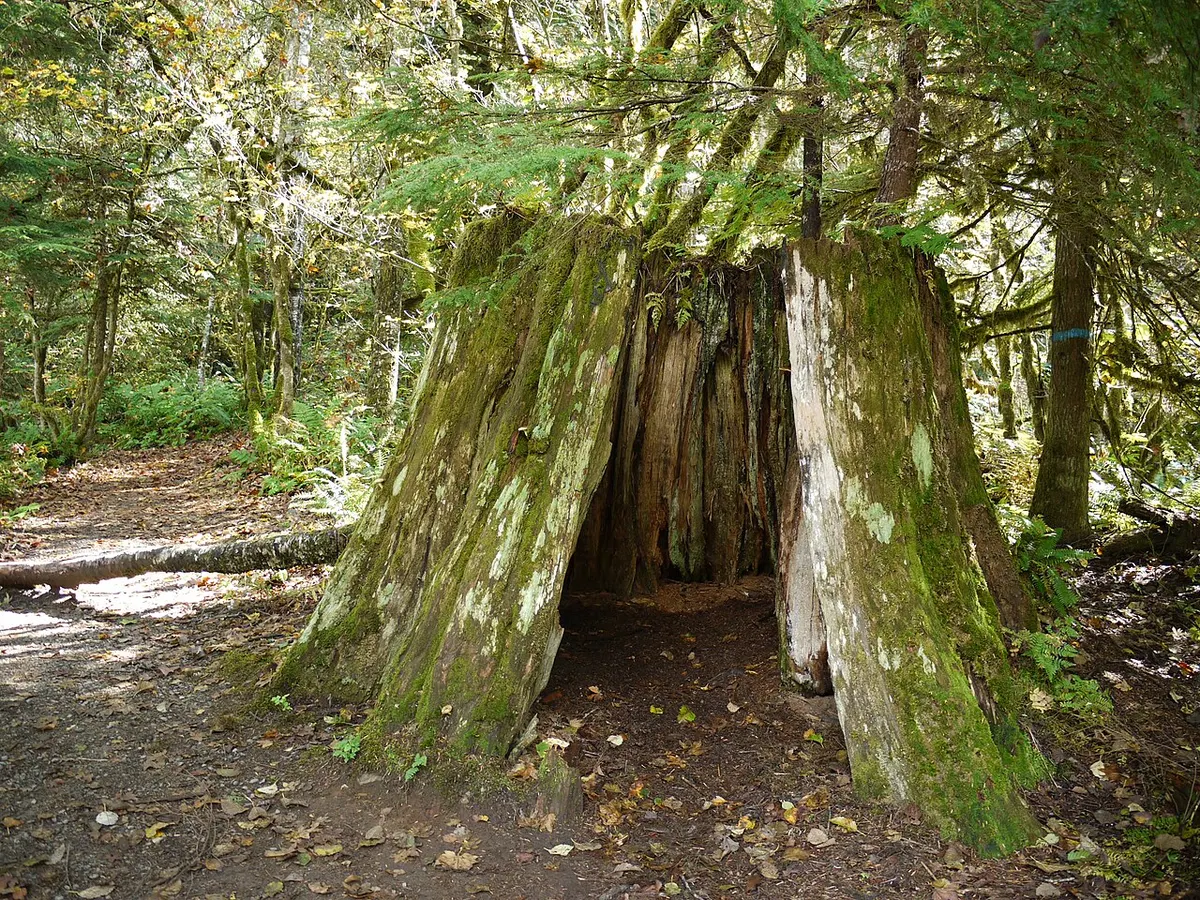
B.C.’s newest BFRO entry, report #79929, is a cautious one. A man moving south from Alaska with his wife said that in May 2025, while camping at Fraser Lake west of Prince George, he heard a string of “ahhh-WHOOP” calls in the night. He openly wondered in his report whether his own expectations had shaped what he heard.
How to read these reports
Most sightings in this roundup come from the BFRO’s public database. The BFRO is a private volunteer group, not a scientific body; its investigators interview witnesses and publish reports they judge credible, and “Class A” simply means the witness says they had a clear view. None of these accounts comes with physical evidence that has been independently tested, and none has been confirmed by a wildlife agency.
That does not mean witnesses are lying. Black bears – including reddish “cinnamon” bears – can stand and walk briefly on two legs, and the Deadwood witness himself compared the color of what he saw to a cinnamon black bear. Knocks and whoops at night can come from many sources, and expectations shape what people hear. No body, skeleton or verified DNA of an unknown North American ape has ever been produced; a 2014 genetic survey led by Oxford’s Bryan Sykes traced hair samples attributed to Bigfoot and similar creatures to known animals, from bears to cows.
Bigfoot also endures for reasons that have little to do with zoology: it is a living Indigenous tradition, a regional emblem and, as this fall shows, a reliable draw for festivals, cruises and documentaries. We will keep tracking new reports through the season.
Sources
- Dread Central: ‘Capturing Bigfoot’ full trailer (Oct. 2, 2026)
- People via Yahoo: The famed 1967 Bigfoot film was an ‘incredible hoax,’ says director of new documentary (Mar. 13, 2026)
- Wikipedia: Capturing Bigfoot
- OPB/NPR: A slew of new Bigfoot sightings, on-screen and off-Broadway (Apr. 23, 2026)
- KPTV: ‘Capturing Bigfoot’ documentary has brand new footage (Oct. 9, 2026)
- The Daily Herald (Everett): The Bigfoot hunt is on: Here are 6 places to sight Sasquatch (Oct. 7, 2026)
- BFRO report #80159: Daylight sighting by motorist along Wind River Hwy, Skamania County, WA
- BFRO: 2026 Washington Bigfoot Expedition
- Sasquatch Summit: 2026 conference, Ocean Shores
- BFRO report #81202: Teenage campers in Payette National Forest, Adams County, ID
- Denver Gazette: Teen reportedly shot ‘sasquatch’ over weekend of odd encounters (June 2, 2026)
- BFRO report #81276: Hiker sighting near Deadwood Dam, Valley County, ID
- 930 WFMD (Fox News): Group of teenage campers stalked by a group of Sasquatches in Idaho (June 1, 2026)
- Boise State Public Radio: ISU anthropologist, professor and Bigfoot researcher has died (Sept. 12, 2025)
- BFRO report #79359: Deer hunter reports loud wood knocks near Hyatt Lake, Jackson County, OR
- Northwest Bigfoot: Sasquatch presentation, Sweet Home, Oregon (Sept. 26, 2026)
- Elgin Sasquatch Festival (Aug. 1, 2026)
- Eagle Cap Excursion Train: We’re helping Elgin celebrate Sasquatch (July 2026)
- Sasquatch Summer Fest 2026, Oakridge
- Eugene Weekly: Bigfoot country (July 9, 2026)
- Tourism Harrison: Sasquatch Days 2026
- Experience Comox Valley: Squatch Watch 2026 Vancouver Island
- Agassiz Harrison Observer: Sasquatch sleuths, enthusiasts make tracks for B.C. Bigfoot town hall (Sept. 15, 2026)
- Nanaimo News Bulletin: Finding Bigfoot: B.C. research trio track Sasquatch across Vancouver Island (Mar. 12, 2026)
- BFRO report #79929: Possible Sasquatch vocals at Fraser Lake, British Columbia
- Sykes et al., Proceedings of the Royal Society B: Genetic analysis of hair samples attributed to yeti, bigfoot and other anomalous primates (2014)