FIELD REPORT · MEXICO & THE SOUTHWEST
La Llorona’s October: Xochimilco’s Canals to the Rio Grande
Mexico City’s long-running La Llorona show on Xochimilco’s canals is back, and the Weeping Woman is on stage in Texas and New Mexico this month too.
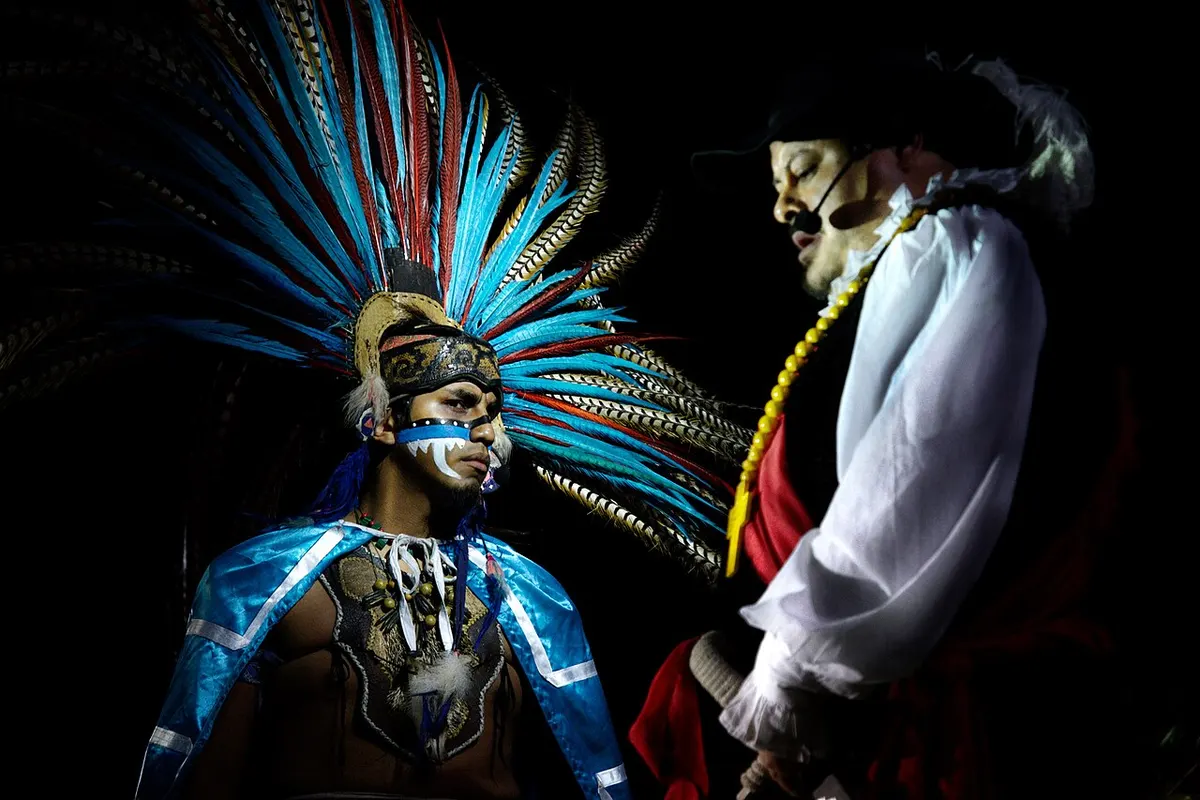
Every fall, as Día de Muertos approaches, La Llorona – the Weeping Woman who wanders the water at night crying for her lost children – comes out of the shadows and onto the stage. In 2026 she is doing it on both sides of the border: in the canals of Mexico City, on an outdoor stage along the old Camino Real in far West Texas, and in a ballet in Albuquerque.
On the water at Cuemanco
The best-known production is the immersive La Llorona show staged on the canals of Xochimilco, in southern Mexico City. Its autumn season opened October 2 at the Embarcadero Cuemanco and runs to November 22, according to Infobae and Excélsior. Audiences board trajineras – the brightly painted flat-bottomed boats of Xochimilco – and glide to an island stage in the canals, crowned by an 8-meter pyramid, where more than 50 performers take part. Infobae reported shows Friday through Sunday at 6 p.m., with a second 9 p.m. performance from October 23, extra late shows on October 31 and November 1, a running time of about three hours and tickets at 700 pesos.
The show has been running for decades – Excélsior put it at 34 years – and it is a local enterprise: Infobae credits Xochimilco’s trajinera boatmen working with the producer Xochimilco Experience. This year it also tried something new. México Desconocido reported that, for the first time, the production brought its usual autumn season forward, announcing performances from May 31, to catch the tourist traffic around the 2026 FIFA World Cup, which Mexico co-hosted.
The 2026 script ties two figures together. One is Cihuacóatl, an Aztec goddess who, in the story, weeps for her children and foretells the fall of the Mexica empire; the other is Marina – Malintzin, the Indigenous woman who served as Hernán Cortés’s interpreter – portrayed as betrayed and consumed by grief. Pilar Couto and Mayra Sierra alternate in the title role, Infobae reported. Producer Pedro Nicolás López described the monumental pyramid at the center of the set as a symbol of “resistencia, memoria y espiritualidad” – resistance, memory and spirituality. Infobae was careful to add that no documented historical evidence links the real Marina to La Llorona; the pairing is dramatic license.
An omen before the conquest
The Cihuacóatl thread does have deep roots. The Florentine Codex, compiled under the Franciscan friar Bernardino de Sahagún in the 16th century, lists a series of omens said to have preceded the Spanish arrival; one is a woman heard weeping at night, crying out for her children. Sahagún also described a white-clad female figure linked to Cihuacóatl who wailed in the dark. Later colonial-era tellings moved the ghost into the streets of Mexico City, and from there the story spread – changing with every region – across Mexico, Central America and the American Southwest.

San Elizario and Albuquerque
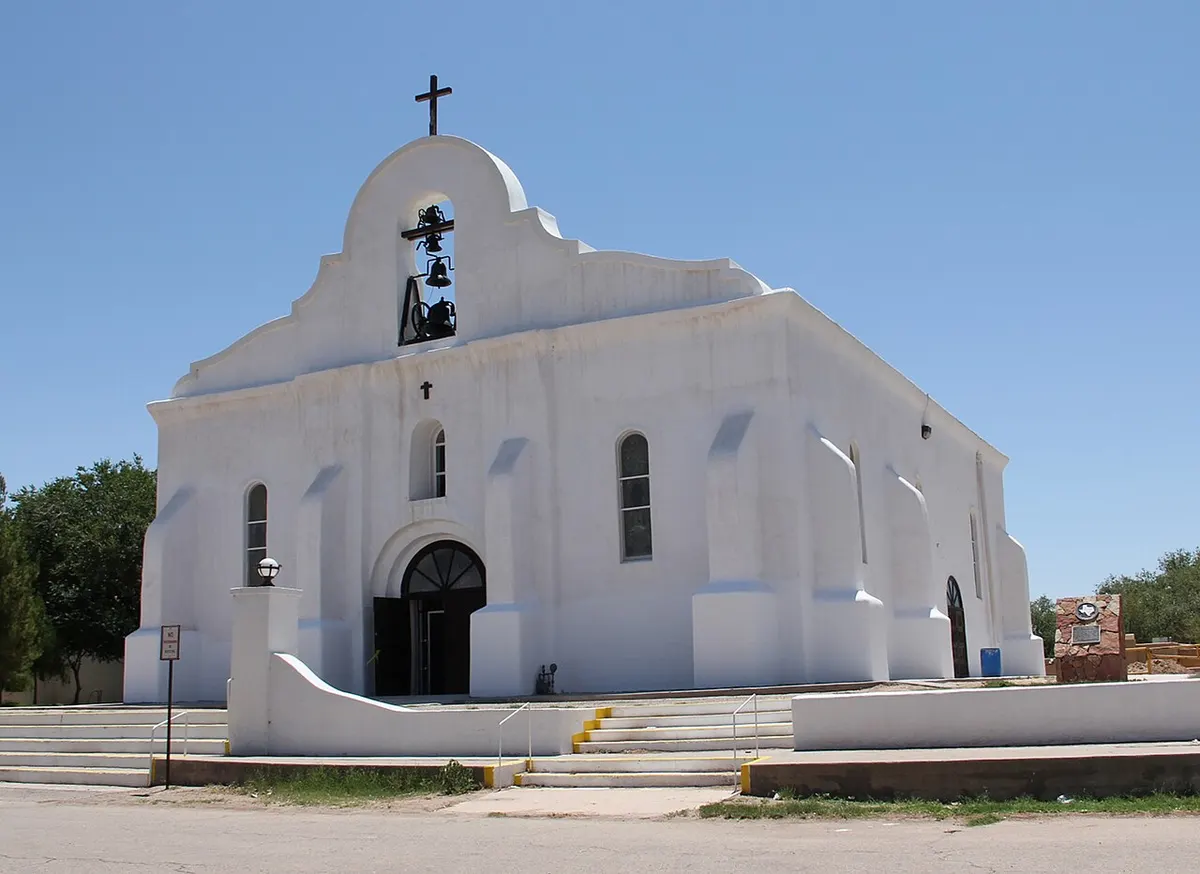
North of the border, the legend gets a smaller but older-feeling stage. On Saturday, October 24, the San Elizario Players will perform a free outdoor retelling of La Llorona at the Main Street Stage in San Elizario, Texas, a historic town on the Camino Real de Tierra Adentro southeast of El Paso, according to Visit El Paso’s listing. The hour-long show is followed by a free walking tour, “Ghost Stories of San Elizario,” to sites tied to local ghost stories. Seating is limited, and organizers suggest bringing a chair.
In New Mexico, the Chicago-area company Ballet 5:8 brings its La Llorona to the National Hispanic Cultural Center in Albuquerque at 3 p.m. on Sunday, October 18, according to the Santa Fe New Mexican’s Pasatiempo calendar, with original choreography by Julianna Rubio Slager and pre-show conversations on mental health. The company’s own description of the work says it reimagines the story of Maria, the mother at the heart of many versions, with compassion for postpartum depression – and states plainly, “This is not a horror story.”
Ghost, not creature
La Llorona differs from most of the figures on this site. She is a ghost story and a cautionary tale, not a reported animal, and nobody has produced evidence that a weeping spirit haunts any river or canal. Folklorists have read the legend in many ways: as a warning that keeps children away from dangerous water after dark, as a story that policed women’s roles, and – in the hands of Chicana writers such as Gloria Anzaldúa and Sandra Cisneros – as a figure of defiance and grief. Claimed encounters, from Mexico to the Rio Grande, remain claims. The productions this fall make the more modest and more durable point: four and a half centuries after Sahagún’s informants described a woman crying in the night, people still gather in the dark to hear her.
Sources
- Infobae: La Llorona regresará a Xochimilco con una puesta en escena inmersiva y viaje en trajinera (Sept. 26, 2026)
- Excélsior: La Llorona 2026 en Xochimilco: fechas, horarios y boletos (Oct. 1, 2026)
- México Desconocido: ¡La Llorona tampoco se quiere perder el Mundial 2026! (2026)
- Xochimilco Experience (YouTube): Xochimilco Experience, la Llorona 2026 (May 2026)
- Visit El Paso: La Llorona (San Elizario, Oct. 24, 2026)
- Santa Fe New Mexican, Pasatiempo: Pasa Calendar – Things to do October 9–15, 2026
- Ballet 5:8: La Llorona (National Hispanic Cultural Center, Albuquerque, Oct. 18, 2026)
- Wikipedia: La Llorona