FIELD REPORT · SCOTLAND
Loch Ness veteran Adrian Shine publishes his “final conclusions”
After more than 50 years on the loch, the man behind Operation Deepscan says Nessie is real only as a trick of perception – and witnesses aren’t lying.
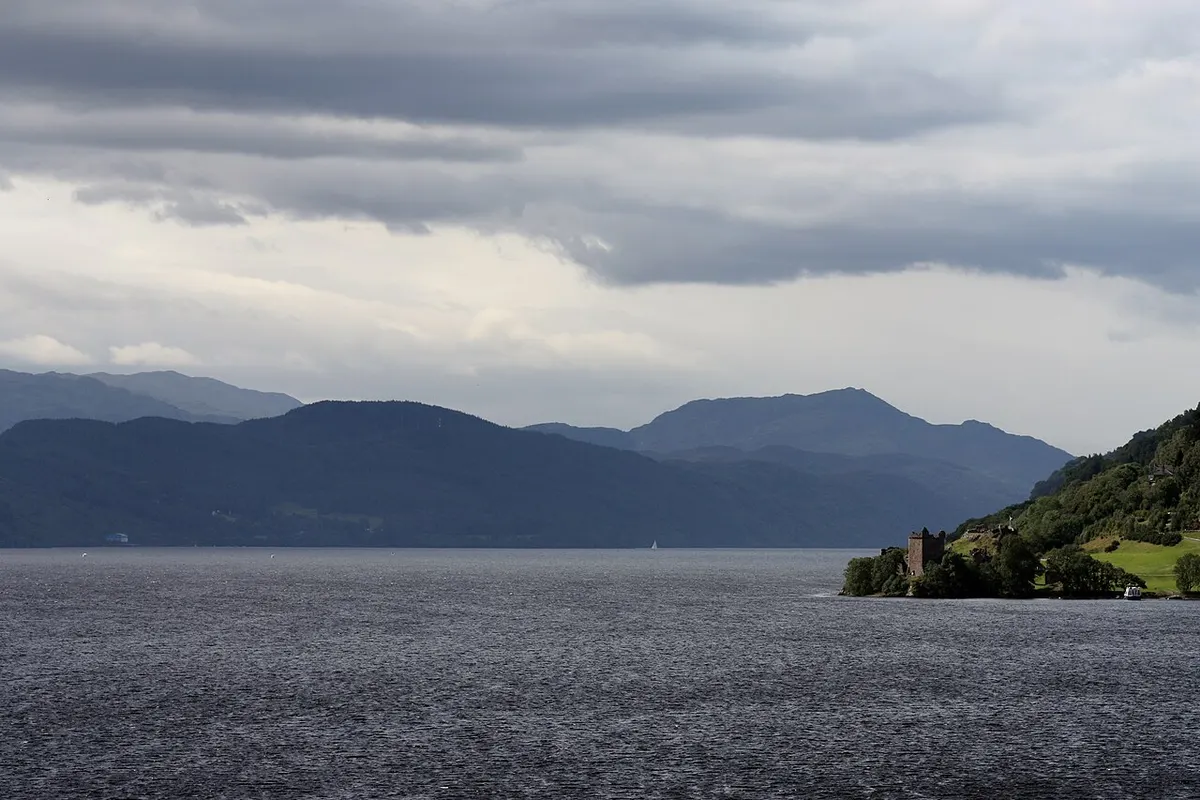
Few people have spent longer staring at Loch Ness than Adrian Shine. The naturalist moved to the loch in 1973, organised the famous Operation Deepscan sonar sweep in 1987 and helped scientists sample its water for DNA in 2018. On Tuesday, October 20, his publisher released what it calls his “final conclusions” about the Loch Ness Monster: a paperback titled A Naturalist’s View of the Loch Ness Enigma.
His verdict, as he described it to the Inverness Courier, is a carefully worded one. Shine told the paper that the monster “does exist.” The catch, as the Courier put it, is that it exists only in our minds, as a product of human perception and psychology and of the loch’s unusual geography and physics. He says he is happy to be known for his “sympathetic scepticism.”
Not calling witnesses liars
The book’s central argument, Shine told the Courier, is about what people perceive rather than what lives in the water. He says that view respects the people who report sightings instead of dismissing them.
It doesn’t denigrate the eyewitnesses, it vindicates them because those forms of illusion truly happen.
Adrian Shine, speaking to the Inverness Courier
According to the Courier, the book takes on the main forms of a Nessie sighting: the multi-humped “sea serpent,” the long-necked creature reminiscent of a plesiosaur, the “upturned boat” shape – which Shine calls the hardest to explain – and an object that seems to travel against the wind. For the last, Shine points to the shape of the loch itself. Loch Ness is long, straight and lined up with the prevailing wind, which drives warm surface water toward one end; when the wind drops, that water flows back, carrying floating debris with it – so a log can appear to swim upwind.
These ideas are not new to readers of Shine’s work. The Loch Ness Project, the research group he founded, has long published a “Key to Sightings” on its website. It lists 21 kinds of report – humps on calm water, a “neck” seen through binoculars, an object holding its place against the waves – most of them tied to the surface conditions in which they typically occur. The page notes that the very first author on the subject, Rupert Gould, wrote in 1934 about what he called “expectant attention”: seeing what you are hoping to see.
A search that began at Loch Morar
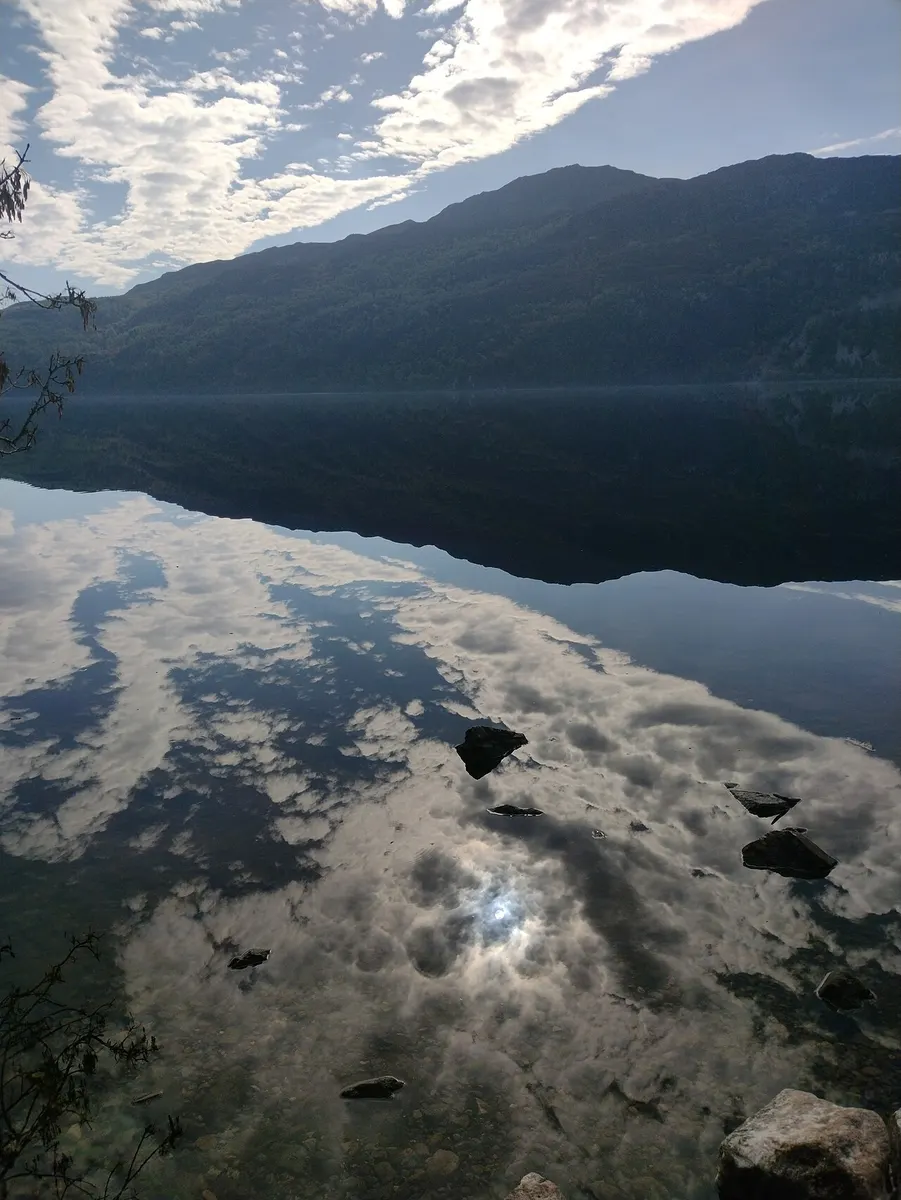
Shine traces his scepticism back to childhood, the Courier reports. As a boy in 1957 he saw what he took for a sea serpent off Mundesley in Norfolk; the next day a local man told him it had been birds flying in a line. After hearing in 1969 that a boat on Loch Morar had been rammed by a “water beast,” he went there to search for Morag, rowing at night with a powerful lamp. One “monstrous hump” he found turned out to be a rock about four inches high. By 1975, the Courier reports, he had decided there was no monster – yet he never left.
Those years produced some of the most-cited fieldwork at the loch. For Operation Deepscan, according to the Loch Ness Project’s own account, twenty cruisers from a local hire fleet, fitted with echo sounders, swept the loch in a slow-moving line. Most of the contacts they logged turned out to be fixed objects, but three could not be found again; their echoes were stronger than any fish would give and came from far down in the water column, and the project still lists them as unexplained. Its later sonar surveys estimated the loch’s open-water fish population at only about 20 tonnes – and Shine argues that such nutrient-poor water could never support the long-necked or many-humped animals witnesses describe.
In 2018 the Loch Ness Project took part in the environmental-DNA survey led by geneticist Neil Gemmell of New Zealand’s University of Otago. When the results were announced in September 2019, the team reported no reptile DNA in some 250 water samples – nothing to support the plesiosaur idea – but a surprising amount of eel DNA. Gemmell said at the time that the sheer quantity meant giant eels could not be ruled out. The Loch Ness Project’s own write-up is more cautious: the DNA would come from ordinary eels, so the survey can neither confirm nor refute the giant-eel idea, and Shine states on his website that he does not subscribe to “the eel theory.” Shine’s publisher says the new book draws on that survey.
What the book does not settle
Shine is the first to admit the book may be unwelcome to some. He told the Courier he expects controversy, given how much tourism the monster brings to the Highlands, but argued that the book will not hurt the local economy. Believers will note that he is offering an interpretation rather than new evidence: even his own project’s records concede that some early close encounters are not explained by its key, and that the Deepscan contacts remain a puzzle. As of publication, we could find no independent reviews of the book.

Readers who want to hear the argument first-hand can find Shine in Drumnadrochit this week. The Loch Ness Experience is hosting a book signing on Wednesday, October 21, from 10 a.m. to noon and 2 to 4 p.m., at the Nessie Book Shop next to the attraction. For the long history of sightings, hoaxes and searches, see our Loch Ness Monster field guide and the rest of Scotland’s monster trail; for how scientists test this kind of evidence, see our explainer on testing Bigfoot evidence.
Sources
- Inverness Courier: Loch Ness Monster mystery illuminated by naturalist Adrian Shine in new book (Alasdair Fraser, Oct. 17, 2026)
- Lomond Books: A Naturalist’s View of the Loch Ness Enigma (publisher description)
- Loch Ness Project: Adrian Shine – home page and publication notice
- Loch Ness Project: Key to Sightings
- Loch Ness Project: Operation Deepscan
- Loch Ness Project: eDNA survey of Loch Ness, June 2018
- UPI: Loch Ness Monster may have been giant eel, scientist says (Sept. 5, 2019)
- The Loch Ness Experience: Meet Adrian Shine – book signing (Oct. 21, 2026)