Field file · Humanoid · Folklore
Tokoloshe
Also known as Tikoloshe, Thokolosi, Hili, uThikoloshe
A dwarf-like water spirit of Nguni belief sent by witches to harm sleepers; the reason many South African beds stand on bricks. A living tradition.
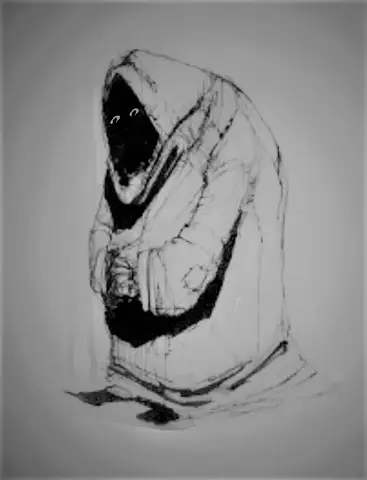
The tokoloshe is one of the best-known beings of southern African folklore. In Zulu, Xhosa and Sotho tradition it is a small, mischievous and malevolent water spirit, usually described as a hip-high, withered figure that can turn invisible by drinking water or swallowing a pebble. It is not a wild animal but something made and sent: in older accounts a witch creates it from a corpse and sends it at night to bite, sicken or kill a chosen victim.
The belief shapes ordinary life. In parts of KwaZulu-Natal and the Eastern Cape, beds are raised on stacks of bricks, so that the tokoloshe, which is said to be unable to climb, cannot reach the sleeper. Other protections include salt, and cleansing rites by a sangoma (traditional healer). The figure is also widely used as a joke and as satire: it features in the comic strip Madam & Eve, in John Kongos’s pop song ‘Tokoloshe Man’ and in Gavin Hood’s 1999 film A Reasonable Man.
The tokoloshe has also appeared in the courts and the news. A 2005 case from South Africa described a man’s belief in omens and spirits leading to an attack on a toddler, and the serial killer Elifasi Msomi is reported to have claimed that a tokoloshe influenced him. Researchers, such as Nhlanhla Mkhize, have studied reported ‘sightings’ among young girls in KwaZulu-Natal. These cases are cited as examples of how a living belief can interact with real events, not as evidence of a creature.
This entry presents the tokoloshe as a tradition held by many South Africans today and does not treat the belief as superstition to be mocked.
What does Tokoloshe look like?
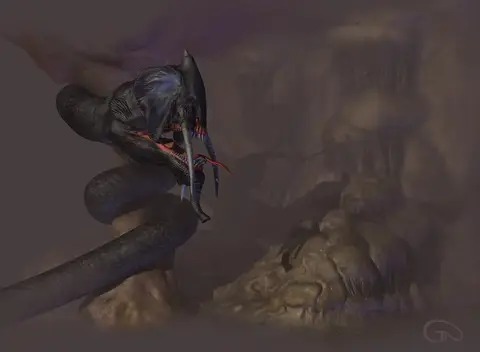
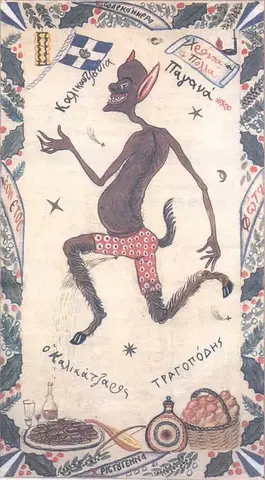
A dwarf-like figure, about hip-high, withered and dark, with a swollen belly, short crooked legs and long fingers; it can become invisible and is said to be far stronger than it looks.
Where is Tokoloshe seen?
Described as a water spirit of rivers, but most often reported at night inside homes, where it is blamed for illness, suffocation and unexplained deaths.
Tokoloshe sightings
- December 7, 1955A newspaper headline South Africa
A 1955 newspaper headline about the tokoloshe is reproduced in encyclopedia coverage, showing the belief was already a press topic by the mid 20th century.
- 2005Attack on a toddler South Africa
News coverage reported that a man’s belief in omens and spirits led to an attack on a toddler, in a case discussed as an example of the harm that witchcraft-related belief can cause.
Is Tokoloshe real? What could explain it
- One often-repeated suggestion is that deaths of people sleeping on the floor near fires in sealed huts were due to smoke or carbon dioxide pooling at floor level; sleepers raised off the ground fared better. The idea is plausible but has no firm citation.
- Sleep paralysis, which can cause a sensation of pressure and a presence in the room, fits many descriptions of tokoloshe visitations.
- Scholars treat the tokoloshe as a social explanation for illness and misfortune and a way to voice fears of envy and witchcraft.
Legend, culture and tourism
The tokoloshe is a staple of South African humour, music and film, and is often used to satirise the way superstition shapes behaviour. For many people it remains a serious belief, which is why beds are still raised on bricks and why healers are called in.
Where it’s reported
Sources
First published · Updated