FIELD REPORT · WASHINGTON
A Reel From a Locked Safe Reopens the Patterson–Gimlin Debate
Capturing Bigfoot, out October 20, says a 1966 reel shows a rehearsal for the famous Bigfoot film. What is claimed, by whom, and what remains unproven.
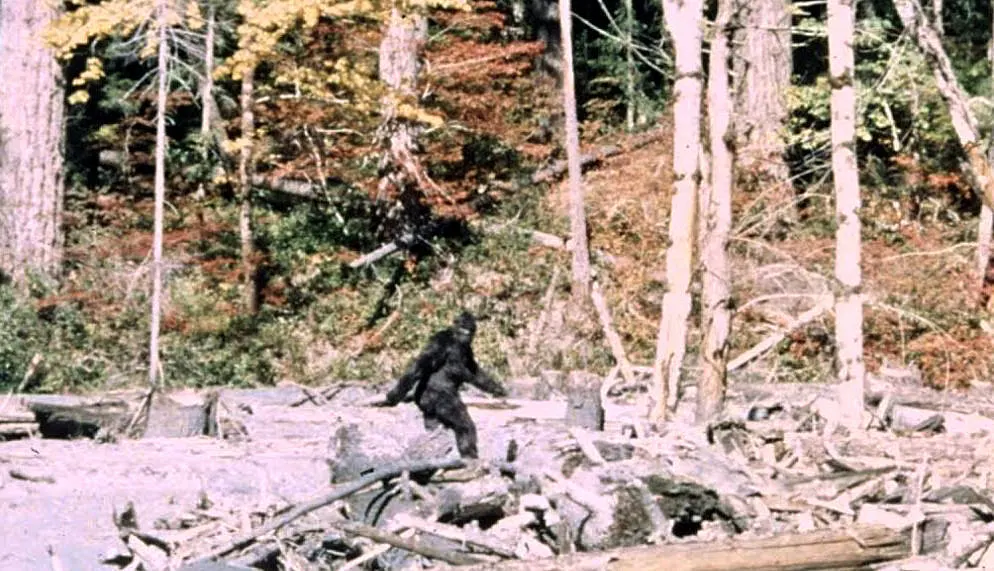
For almost six decades, about a minute of shaky 16mm film has carried more weight than any other piece of Bigfoot evidence. On October 20, 1967, Roger Patterson and Bob Gimlin – two men from the Yakima area of Washington – filmed a dark, upright figure striding along a creek bed at Bluff Creek in northern California. Supporters have long argued that no costume of the era could have produced it; skeptics have long argued that it was exactly that.
A new documentary claims to have found the missing piece. Capturing Bigfoot, directed by Marq Evans, opens in New York and Los Angeles on October 20, 2026 – the 59th anniversary of the Bluff Creek footage – and can be rented or bought on Prime Video in the U.S. and Canada from the same day, according to Dread Central. It premiered at South by Southwest in Austin on March 12.
What the reel is said to show
The story begins with a locked safe. According to People, Teresa Brooks, who teaches part-time at Olympic College in Bremerton, found a 16mm film canister that had been locked away by her late father, Norm Johnson, who ran Boeing’s film department in Seattle and knew Patterson and Gimlin through his own brother, Dave. Evans says Johnson developed the 1967 film. Brooks, a colleague of Evans at the college, asked him for help getting the reel developed. (People dates her email to June 2024; Wikipedia, citing other coverage, says June 2022.)
Evans told People the roughly 40-second clip shows a slimmer-looking Bigfoot walking into woods resembling the 1967 location, and that markings on the film date it to 1966 – a year before the famous footage. He called it “a trial run, a rehearsal that was never discarded,” and People reported that he considers the 1967 film an “incredible hoax.” Evans has also said that no AI-generated material was used, according to The Times of London as summarized on Wikipedia.
The Yakima witnesses
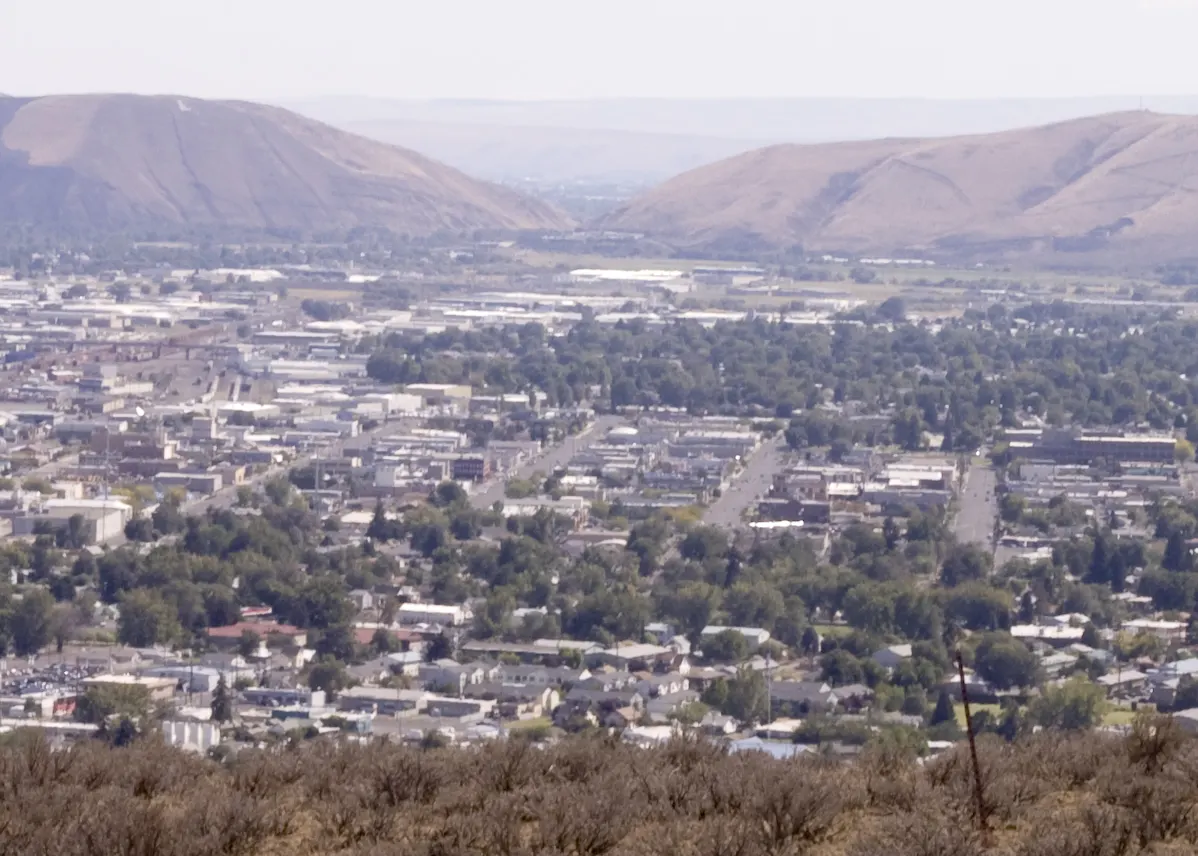
Much of the documentary was filmed in and around Yakima, where Patterson lived and where the authenticity of the footage has been local gossip for decades. Bob Heironimus, a Yakima man who has said for years that he wore the suit – though his accounts have not always been consistent – appears in the film. So does Patterson’s son Clint, now a Montana rancher. According to Evans, Clint learned years ago from his mother that the footage was faked, and told Evans he once watched his father burn a suit, piece by piece, in a barrel behind the family home.
The film also hears from the other side. The late Idaho State University anthropologist Jeff Meldrum, interviewed before his death in September 2025, says he sees real animal musculature in the 1967 subject, according to The Hollywood Reporter’s review as quoted on Wikipedia, and Hollywood makeup and effects specialist Bill Munns, who has studied the film for years, also takes part. Bob Gimlin, who has long maintained that the 1967 encounter was genuine, is listed among the interviewees.
Unconvinced on both sides
Many believers have not accepted the reel. Asked about it before the film’s release, Matt Moneymaker of the Bigfoot Field Researchers Organization questioned how anyone could trust a newly surfaced clip in “the age of AI,” according to The Times of London, whose headline described Bigfoot believers as “at war” over the film. NPR reported in April that online critics had accused the documentary of being AI fiction. Skeptics, meanwhile, were hardly surprised: according to Wikipedia’s summary of his July Skeptical Inquirer column, Benjamin Radford expected skeptics to greet the news with a “shrug,” while arguing that the case holds lessons about confirmation bias.
What is still missing is independent analysis. As of publication, the reel’s physical film stock, edge markings and chain of custody have been described by the filmmakers but not, as far as we can find, examined by outside film archivists. Until they are, the reel is best treated as a strong claim from interested parties – much like the original footage it challenges.
Seattle’s FOX 13 covered the film on October 8, and Portland’s KPTV on October 9, so expect the debate to flare again around October 20. For the longer history of the footage and the hoax claims around it, see our Bigfoot field guide.
Sources
- Dread Central: ‘Capturing Bigfoot’ full trailer teases a revelation (Oct. 2, 2026)
- People via Yahoo: The famed 1967 Bigfoot film was an ‘incredible hoax,’ says director of new documentary (Mar. 13, 2026)
- Wikipedia: Capturing Bigfoot
- KPTV: ‘Capturing Bigfoot’ documentary has brand new footage (Oct. 9, 2026)
- FOX 13 Seattle (YouTube): New film ‘Capturing Bigfoot’ details decades-old search for Sasquatch (Oct. 8, 2026)
- Capturing Bigfoot (YouTube): Official trailer, XYZ Films
- Wikipedia: Jeffrey Meldrum
- OPB/NPR: A slew of new Bigfoot sightings, on-screen and off-Broadway (Apr. 23, 2026)