FIELD FILE · OGOPOGOLAKE & SEA MONSTERWIDELY REPORTED
Ogopogo
Also known as nx̌aʔx̌ʔitkʷ (Syilx name), N’ha-a-itk, Naitaka, Spirit of the Lake
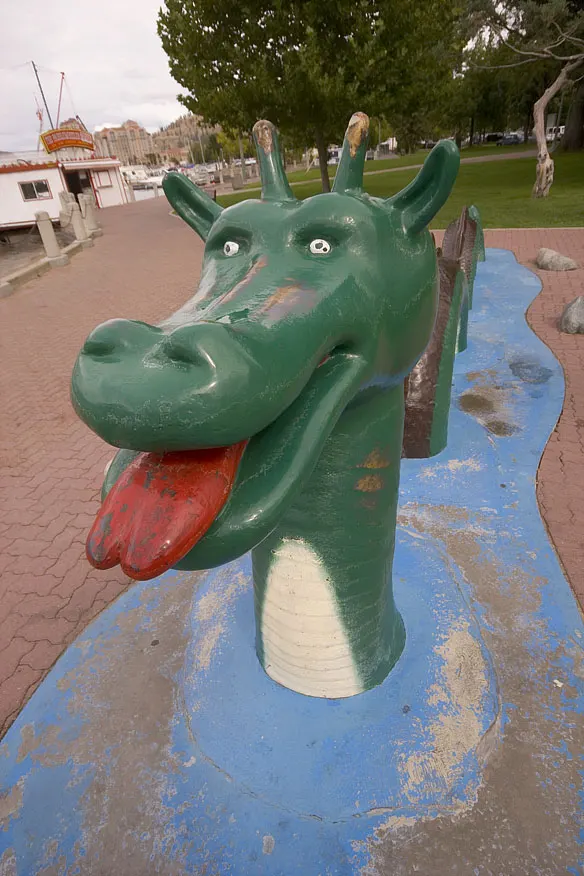
Canada’s most famous lake monster: a long, humped serpent said to swim Okanagan Lake, rooted in the Syilx being nx̌aʔx̌ʔitkʷ, spirit of the lake.
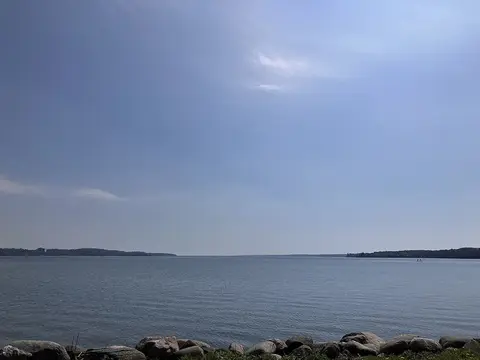
Ogopogo is the name settlers gave to a serpent-like creature said to live in Okanagan Lake, a deep, narrow glacial lake about 135 kilometres long that runs through the heart of British Columbia’s Okanagan Valley. Witnesses usually describe a dark, multi-humped animal gliding along the surface, and the lake’s long sightline from Highway 97 has made it one of the most frequently reported lake monsters anywhere in the world.
Long before the name Ogopogo existed, the Syilx (Okanagan) people spoke of nx̌aʔx̌ʔitkʷ (often written N’ha-a-itk), a sacred being of the water. Syilx knowledge holders explain that the name means roughly “there is a sacred being in the water,” and that the being cares for the lake and the waters of the Okanagan Nation. Travellers crossing near Rattlesnake Island made offerings, and the being was said to dwell in a cave near Squally Point. Early settler writers recast this spirit as a bloodthirsty “water demon,” an interpretation Syilx people today say was a misunderstanding.
Settler reports began in the mid-1800s. Tourism Kelowna recounts the story of John McDougall, a Métis settler who in 1855 said his horses, swimming behind his canoe, were dragged under the water, and pioneer Susan Allison wrote about a strange creature in the lake in 1872. The catchy name arrived in the 1920s and is usually traced to a British music-hall fox-trot, “The Ogo-Pogo,” that was sung at a gathering in Vernon in 1924; it stuck, and the old spirit became a tourist mascot.
Through the 20th century Ogopogo became a fixture of Canadian popular culture, appearing on postage stamps, in songs and cartoons, and as a fibreglass statue on Kelowna’s waterfront. Film crews, television expeditions and amateur investigators have searched the lake with sonar, submersibles and divers, but no physical evidence has ever been found.
Many Syilx people ask that the being be called by its own name rather than “Ogopogo,” and that it be treated as something sacred rather than as a cartoon monster. Visitors who come for the legend are increasingly invited to learn the Syilx story behind it – a reminder that one of Canada’s best-known cryptids began as a living Indigenous tradition about caring for water.
- Status
- Widely reported
- First reported
- Pre-colonial
- Best-known location
- Okanagan Lake, British Columbia
- Also called
- nx̌aʔx̌ʔitkʷ (Syilx name), N’ha-a-itk, Naitaka, Spirit of the Lake
- Reported in
- Canada
What witnesses describe
Usually described as 5–15 metres long, dark green, black, brown or grey, with a series of humps breaking the surface. The head has been compared to a snake, horse, sheep, seal or even a bulldog; some witnesses report ears or horns, while many simply see a long, featureless “log” that seems to move against the waves.
Where and when it’s seen
Okanagan Lake, especially the central basin between Kelowna, West Kelowna, Peachland and Summerland, and around Rattlesnake Island and Squally Point. Most sightings occur on calm summer days, often from Highway 97 or lakeside beaches.
Notable sightings
- 1855McDougall’s horses Okanagan Lake, British Columbia
According to local history, Métis settler John McDougall was swimming his horses across the lake behind his canoe when they were suddenly pulled under. He reportedly cut the ropes to save the canoe – the first settler encounter in the Ogopogo canon.
- 1872Susan Allison’s account Okanagan Valley, British Columbia
Susan Allison, one of the earliest settler women in the region, wrote about a large, unknown creature in the lake. Her account is often cited as the first detailed description by a European settler.
- August 1968The Folden film Okanagan Lake, from Highway 97, British Columbia
Home-movie enthusiast Arthur Folden filmed about a minute of footage showing a large, moving object leaving a wake on calm water below Highway 97. It is still called the best film of Ogopogo; a 2005 re-analysis for the National Geographic Channel concluded the object was a real animal but far smaller and closer than first thought.
- 1991Japanese television expedition Okanagan Lake, British Columbia
An expedition financed by Japan’s Nippon Television searched the lake with a remotely operated vehicle and a small submarine, reportedly diving to the deepest part of the lake. No creature, carcass or bones were found.
- Autumn 2011The West Kelowna winery video West Kelowna, British Columbia
Visitor Richard Huls shot a shaky phone video from a winery showing dark shapes in the water and told reporters it was not a wave. Investigator Benjamin Radford noted the footage seemed to show two short objects floating side by side, most likely logs.
What could explain it?
- Otters, beavers, swimming deer and waterfowl seen at a distance can resemble a humped animal; a line of otters swimming in single file is a classic lake-monster look-alike.
- Floating logs are common in the lake, and many reports describe a straight, featureless “log” that seemed alive.
- Okanagan Lake’s long, narrow shape produces unusual standing waves and boat wakes that can look like a row of humps on otherwise calm water.
- Large fish such as white sturgeon have been proposed, though there is no confirmed population in the lake.
- Folklorists note that settler writers turned a Syilx water spirit into a literal “monster,” so the oldest stories are not eyewitness evidence of an animal.
Legend, culture and tourism
For the Syilx Okanagan Nation, nx̌aʔx̌ʔitkʷ remains a sacred being tied to the health of the lake, and knowledge holders continue to make offerings and teach its proper name. For the wider community, Ogopogo is Kelowna’s unofficial mascot: Peter Soelin’s 1960 fibreglass statue on the downtown waterfront is one of the most photographed pieces of public art in the city, the creature has appeared on Canadian postage stamps, and it has featured in shows from The X-Files to children’s cartoons.
Places to visit
Peter Soelin’s 1960 fibreglass Ogopogo, part of the city’s public art collection, is the classic photo stop on the lakefront.
The lakeside highway where Arthur Folden shot his 1968 film overlooks Rattlesnake Island and Squally Point, the being’s traditional home.
Watch
 ▶ VIDEO
The Legend of Ogopogo: The history of lake monster sighting claims in BC
Global NewsA short news feature tracing the history of sighting claims on Okanagan Lake.
 ▶ VIDEO
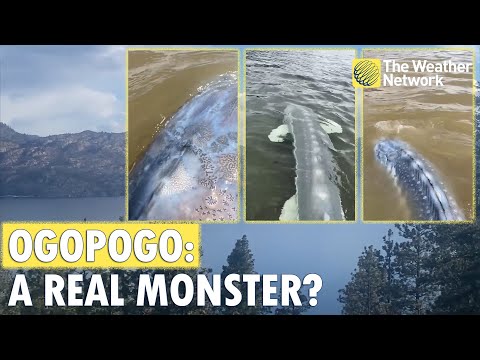
‘Ogopogo’: Is The Legendary Monster in Okanagan Lake Real?
The Weather NetworkLooks at the lake itself and what natural phenomena might explain the sightings.
 ▶ VIDEO
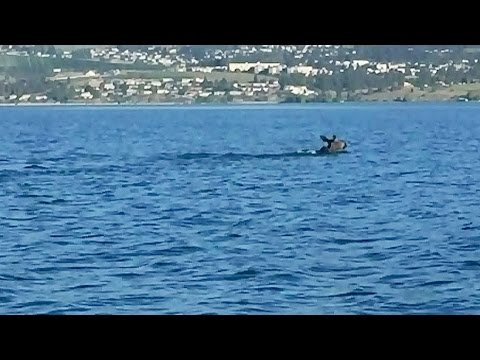
Mysterious creature in Okanagan Lake: What is it exactly?
CTV NewsA TV news report on one of the many modern sighting claims.
Where it’s reported
Canada British Columbia
Ogopogo in the news
Sources
- Tourism Kelowna: The legend, the spirit, the creature – the history of Ogopogo
- IndigiNews: ‘Don’t call him Ogopogo, call him by his name nx̌ax̌aitkʷ,’ says Syilx Elder
- Live Science (Benjamin Radford): Ogopogo – Canada’s Loch Ness Monster
- Live Science: Was the ‘Canadian Loch Ness Monster’ caught on video?
- Wikipedia: Ogopogo
First published · Updated