Ogopogo · Lake & sea monster · 1:40
Mysterious creature in Okanagan Lake: What is it exactly?
CTV News · YouTube
A CTV News story from 2015 about a swimming moose mistaken for Ogopogo – a textbook case of misidentification.
About this video
This brief CTV News report, posted in June 2015, follows a man who spotted something large swimming in Okanagan Lake while drinking his morning coffee. He and his young daughter took their boat out to investigate, without any idea what they would find, and filmed what turned out to be a moose paddling steadily across the middle of the lake.
The story is told with a light touch. A wildlife expert, interviewed while trapping invasive gray squirrels, explains why a moose is such a capable swimmer: its hollow-haired coat works almost like a life jacket, keeping the big animal buoyant with little effort. The family eventually had to head home for work and school, only to hear later that the moose had come ashore right in front of their house. The reporter closes by pointing out how much the footage of a head cutting through the waves looks like the cartoon Ogopogo, and the anchors trade jokes about a “Rocky and Bullwinkle” ending.
Key moments
- 0:00A lakeside resident and his daughter set out by boat to check on something strange in the water.
- 0:11The mystery is solved: a moose swimming across the open lake on a hot day.
- 0:31A wildlife expert explains why moose float so easily and swim long distances.
- 0:51The family follows the animal toward the far shore before turning back.
- 0:57A few hours later the moose turns up on the beach in front of their home.
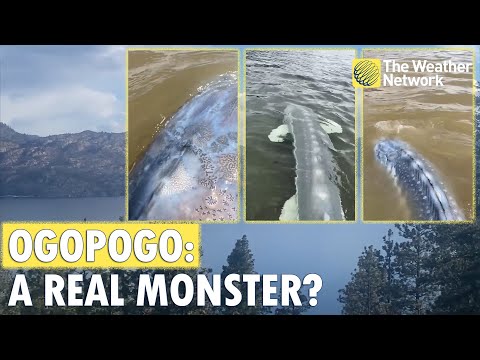
- 1:06The reporter compares stills of the moose’s head and back to classic Ogopogo cartoons.
- 1:23Back in the studio, the anchors joke about how a monster hunter would have reacted.
What to look for
No one in this report claims to have seen Ogopogo, and that is exactly what makes it useful. It is a rare case where an “unknown animal in the lake” was chased down and identified on camera. Skeptical researchers have long suggested that swimming moose, deer, beavers, otters, large sturgeon and floating logs account for many Okanagan Lake sightings, especially at a distance where only a dark head and a line of wake are visible.
Pay attention to the stills the reporter singles out: a low head, a hump of back and a trailing wake are the same shapes witnesses describe as humps or a serpentine neck. None of this rules out other sightings, and Syilx tradition about the lake’s sacred being stands apart from the monster debate, but it shows how easily a familiar animal can look unfamiliar on a wide, deep lake.