Field file · Lake & sea monster · Regional legend
Manipogo
Also known as Lake Manitoba Monster, Winnipogo (Lake Winnipeg variant), Gichi-ginebig (Anishinaabemowin, “giant snake”)
A humped, snake-like lake monster of Lake Manitoba, named in 1960 as a nod to Ogopogo and blamed on lake sturgeon, logs and swimming moose.
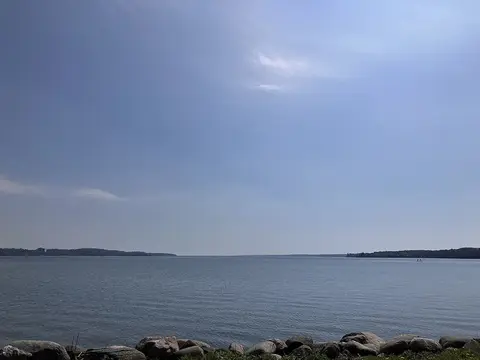
Manipogo is the lake monster of Lake Manitoba, a big, shallow and often murky lake north-west of Winnipeg. The name is a blend of “Manitoba” and Ogopogo, the better-known creature of British Columbia’s Okanagan Lake, and it is usually credited to Tom Locke, a provincial land inspector, around 1960 – although some sources place the naming a few years earlier. A cousin, “Winnipogo”, is reported from Lake Winnipegosis and Lake Winnipeg and is sometimes treated as the same animal.
Stories of a serpent in the lake are far older than the nickname. Anishinaabe tradition speaks of a giant water snake, gichi-ginebig, tied to the waters and the underworld and balanced in myth by the Thunderbirds, which hunt such serpents. Those beliefs belong to living cultures and are not the same thing as the modern “monster” reports, which begin in the settler era. The first often-cited settler account is from 1909, when a Hudson’s Bay Company trader named Valentine McKay described a huge animal in Cedar Lake, which is part of the same river system.
Reports multiplied in the late 1950s and 1960s, when newspapers took up the name and the province opened Manipogo Provincial Park on the lake’s north-western shore in 1961. A University of Manitoba professor, James A. McLeod, announced a search for the creature in the early 1960s and found nothing. A single photograph, taken in the early 1960s by two commercial fishermen, remains the best-known image and is generally regarded as inconclusive.
Today the monster is mainly a point of local pride. The Métis community of St. Laurent on the lake’s south-east shore holds a Manipogo festival each March, and the legend features in Canadian lake-monster books and television documentaries.
What does Manipogo look like?
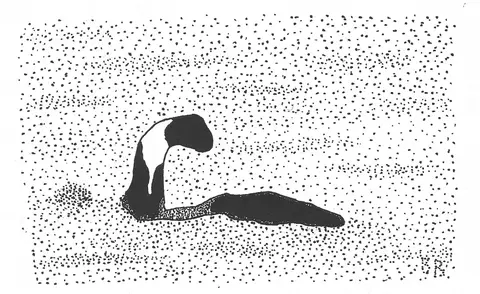
Witnesses describe a dark brown to black, serpentine animal roughly 4–15 metres long with one or more humps above the water. The head is likened to a horse, sheep or camel, or described as flat and diamond-shaped, and one witness reported a shrill, cry-like sound.
Where is Manipogo seen?
Open water and shorelines of Lake Manitoba, especially The Narrows, Toutes Aides, Meadow Portage and the beaches on the western shore, mostly in summer and often in calm weather.
Manipogo sightings
- 1909Valentine McKay at Cedar Lake Cedar Lake, Manitoba
Hudson’s Bay Company fur trader Valentine McKay reported a very large creature near Graves Point. It is usually cited as the first recorded sighting by a settler.
- 1935Timber inspector’s report Lake Manitoba
Timber inspector C. F. Ross and a companion described a creature with a small, flat head and a single horn-like projection.
- 1960Several creatures near Toutes Aides Toutes Aides, Manitoba
A group of around 17 apparently unconnected witnesses reported seeing several animals swimming together. The name “Manipogo” was in common use by this time.
- August 1962The only known photograph Near Meadow Portage, Manitoba
Fishermen Richard Vincent and John Konefell reportedly followed a serpent-like animal and took the one photograph widely cited today. Some secondary sources date the event to 1963.
- 1997The “shot Manipogo” story Sandy Bay, Manitoba
A claim that a local man had shot and killed a creature drew media attention. The RCMP said it knew nothing of such an event and the accounts contradicted one another.
Is Manipogo real? What could explain it
- Lake sturgeon, which can live well over a century and grow beyond two metres, are common in Manitoba’s big lakes and are the standard suggested identity.
- Swimming moose, with head and back showing, can look like a humped animal, and their bleats may account for the reported cries.
- Floating logs, otters and wave patterns, as well as mirages such as the Fata Morgana over cold water, can create convincing illusions. High-water events like the 2011 flooding produced many reports of drifting debris.
- The 1997 “capture” story was never substantiated.
Legend, culture and tourism
Manipogo Provincial Park is named for the monster, St. Laurent hosts a March Manipogo festival, and the creature appeared in the documentary series Northern Mysteries and in John Kirk’s In the Domain of Lake Monsters (1998).
Places to visit
A campground and beach on the north-western shore of Lake Manitoba named after the monster.
Where it’s reported
Sources
First published · Updated