FIELD FILE · SPIRIT-MOUND-LITTLE-PEOPLEHUMANOIDFOLKLORE
Little People of Spirit Mound
Also known as Can O’ti na (Little Tree Dwellers), “Little devils” of Lewis and Clark, Hill of Little Devils
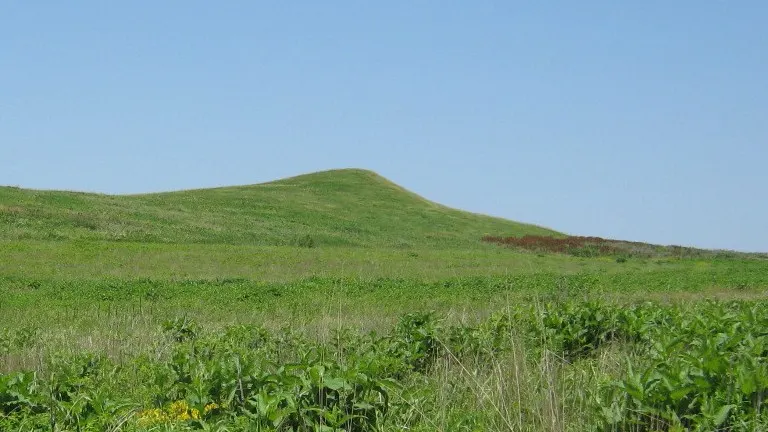
Small beings of Lakota, Otoe and Missouria tradition said to guard a lone South Dakota prairie hill – the ‘little devils’ Lewis and Clark sought in 1804.
Spirit Mound is a solitary, cone-shaped hill rising from the prairie a few miles north of Vermillion in southeastern South Dakota. For the Native nations of the region it has long been a place of power. According to Lakota oral tradition, it is home to the Can O’ti na – the Little Tree Dwellers – small people who could be mischievous and dangerous but could also act as spiritual helpers. Lakota ceremonial life still includes a medicine bundle associated with the Little Tree Dwellers that traces its origins to Spirit Mound.
These traditions entered the written record through the Lewis and Clark Expedition. In August 1804, as the Corps of Discovery worked its way up the Missouri, Otoe, Missouria and Sioux people warned the explorers about the hill. The expedition’s journals record that it was said to be inhabited by little spirits about 18 inches tall with very large heads, armed with sharp arrows that they could shoot over great distances at anyone who came near – so that local people avoided the place.
Curious, Meriwether Lewis, William Clark and about ten men walked roughly nine miles across the prairie from the mouth of the Vermillion River on August 25, 1804, on a day so hot that Lewis’s Newfoundland dog, Seaman, had to be sent back to camp. On the map Clark labeled it the “Hill of little Devils.” At the top they found no little people, only swarms of insects and birds feeding on them, which they took as natural explanations, and a sweeping view of bison grazing across the plains that Clark called a most beautiful landscape.
Settlers later farmed and grazed the land, and by the 1980s it was covered with buildings, a feedlot and non-native trees. Local citizens formed the Spirit Mound Trust in 1986, and in 2001 the state bought the site to restore its native prairie. Some Native leaders have objected to presenting a sacred and feared place as a casual attraction – a reminder that the Little People are part of a living spiritual tradition, not a monster story.
- Type
- Humanoid
- Status
- Folklore
- First reported
- Pre-colonial
- Best-known location
- Spirit Mound Historic Prairie, near Vermillion, Clay County, South Dakota
- Also called
- Can O’ti na (Little Tree Dwellers), “Little devils” of Lewis and Clark, Hill of Little Devils
- Reported in
- South Dakota
What witnesses describe
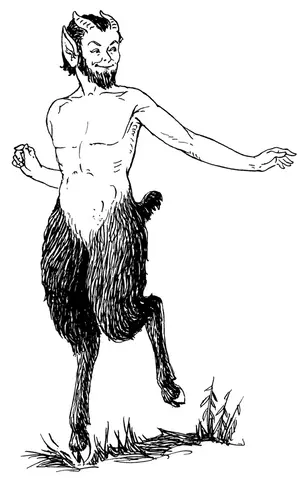
As recorded by the expedition, beings about 18 inches tall with disproportionately large heads, armed with bows and sharp arrows. In Lakota tradition the Little Tree Dwellers are small people who can be tricksters or spiritual helpers.
Where and when it’s seen
Spirit Mound, an isolated hill on the tallgrass prairie of Clay County, South Dakota, a few miles north of the Missouri River.
Notable sightings
- August 25, 1804Lewis and Clark climb the hill Spirit Mound, near Vermillion, South Dakota
After hearing warnings from Native people, Lewis, Clark and about ten men hiked to the mound in sweltering heat. They found no little people but recorded swarms of insects, birds and a vast view of bison herds.
- 1974National Register listing Clay County, South Dakota
Spirit Mound was listed on the National Register of Historic Places for its role in the Lewis and Clark story.
- 2001The state acquires the mound Spirit Mound Historic Prairie
South Dakota bought the 320-acre site so that farm buildings could be removed and the native prairie restored, creating Spirit Mound Historic Prairie.
What could explain it?
- In Lakota, Otoe and Missouria traditions the Little People are spiritual beings, and the hill is a sacred place; they are not an undiscovered animal.
- Lewis and Clark themselves suggested that clouds of insects blown to the hill by the wind, and the birds that fed on them, helped make the place seem alive and dangerous.
- Stories of guardian little people are found across many Native North American cultures and often mark places to be approached with respect.
Legend, culture and tourism
Spirit Mound is one of the Lewis and Clark National Historic Trail’s “Pivotal Places,” and visitors can climb a summit trail designated a National Recreation Trail in 2004. For Lakota people the Little Tree Dwellers remain part of ceremonial life. The story is regularly retold in South Dakota history classes and books on Plains folklore.
Places to visit
A restored prairie with a trail to the summit where Lewis and Clark stood in 1804.
Where it’s reported
Little People of Spirit Mound in the news
No recent headlines about the Little People of Spirit Mound. Our news desk checks every day — see all cryptid news.
First published · Updated