Country file · Africa
Cryptids of Zambia
What cryptids are in Zambia? The best-known are Kongamato and Nyaminyami.
Zambia gave cryptozoology its “African pterodactyl”. In 1923 the colonial magistrate Frank Melland published In Witch-Bound Africa, an account of the Kaonde people of the north-west, in which he described the kongamato – a red, leathery-winged creature blamed for overturning canoes and flooding fords – and recorded that his informants picked it out of a book of pterodactyl pictures. The Jiundu swamp near Mwinilunga, which Melland named as its haunt, has been a fixture of monster lore ever since.
- 2 cryptids
- 4 recorded sightings
Cryptids reported in Zambia
Kongamato
A red, leathery-winged flyer feared at river fords in north-western Zambia, made famous in 1923 when Kaonde men picked it out of a book of pterodactyls. Regional legend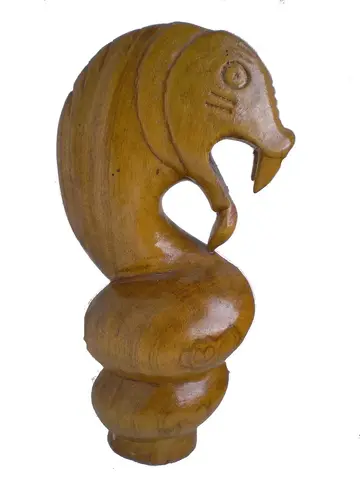
Nyaminyami
The serpent-bodied Zambezi river god of the Tonga, linked by tradition to the floods that struck the Kariba Dam site in the 1950s. FolkloreThe legends of Zambia
The great wetlands of the north-east added their own stories. Lake Bangweulu and its swamps were the setting for early colonial “brontosaurus” yarns, for tales of the horned chipekwe and, in the 1950s, for a new wave of kongamato reports, including an engineer’s dusk sighting near Fort Rosebery (now Mansa) and a hospital patient said to have drawn his winged attacker.
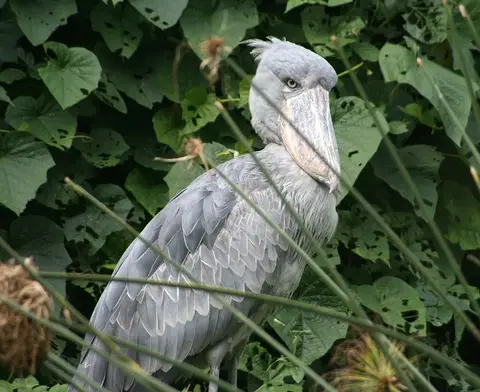
Visitors to Bangweulu today come for a very real prehistoric-looking animal: the shoebill, a giant grey swamp bird often suggested as the creature behind the kongamato. The community-owned wetland, managed with African Parks, is one of the best places in Africa to see it, along with vast herds of black lechwe.
Hotspots
- Jiundu swamp, Mwinilunga district
The dense inland delta Melland named in 1923 as the home of the kongamato.
- Bangweulu Wetlands
Vast swamps that produced 1950s kongamato reports and today shelter the shoebill often blamed for them.
- Lake Kariba (Zambian shore)
The lake behind the Kariba Dam, the realm of the Tonga river god Nyaminyami.
Sightings timeline
- 1911Deaths on the Mutanda River Kongamato
Melland recorded a local belief that a kongamato had killed two men and two women at a crossing in 1911. He noted that skeptics pointed out the river was in flood at the time and that nobody actually witnessed how the four died.
- 1923Melland’s “In Witch-Bound Africa” Kongamato
Frank Melland’s ethnography of the Kaonde included a short chapter on the kongamato. His informants, including a headman from the Jiundu country, identified a picture of a pterodactyl as the creature, giving cryptozoology its first “African pterosaur”.
- 1956J.P.F. Brown’s dusk sighting Kongamato
An engineer driving back to Salisbury from Kasenga in the Belgian Congo reported two long-tailed creatures with narrow heads and wingspans of about a metre flying slowly overhead at around 6 p.m. The account appeared in the Rhodesia Herald in 1957.
- 1957The Bangweulu hospital patient Kongamato
A man with a chest wound reportedly told hospital staff that a great bird had attacked him in the Bangweulu swamps and, asked to draw it, sketched something resembling a pterosaur. No independent record of the case has been published.