Field file · Reptilian · Folklore
Moʻo
Also known as Moʻo akua, Hawaiian reptilian water deities, Hauwahine (of Kawainui), Kihawahine (of Lāhainā)
In Hawaiian tradition, moʻo are shape-shifting reptilian beings of fresh water. They guard ponds and fisheries and are still honored as akua.
Moʻo are among the oldest and most widely honored beings in Hawaiian tradition. The Hawaiian word moʻo means lizard, and the moʻo akua are reptilian water deities who live mainly in and near fresh water – streams, springs, ponds, marshes and fishponds – rather than the sea. According to the scholar Marie Alohalani Brown, whose 2022 book catalogs 288 individual moʻo, they range in size from mountain-large to very small, can change shape, and are mostly female; when a moʻo takes human form she is often described as strikingly beautiful. They can bring sustenance and danger, like the water itself.
Many moʻo are tied to specific places. Hauwahine is remembered as the guardian of Kawainui Fishpond (now Kawainui Marsh) at Kailua on Oʻahu, as well as the Pāʻeo and Kaʻelepulu ponds. The tradition says she ensured plenty of fish for the people, but would take them away if the people were oppressed by the aliʻi (chiefs), and that she protected against sickness. Because pollution and overgrowth were thought to offend her, caring for the pond was a religious as well as practical duty. Kalamainuʻu of Waialua, Oʻahu, is still called upon by fishermen seeking wrasse. In the epic of Hiʻiaka, the goddess travels across Molokaʻi and defeats a man-eating moʻo named Kikipua.
Some moʻo have a place in Hawaiian political and spiritual history. Kihawahine, who protected Lāhainā, Maui, for more than four hundred years, was born a high-ranking chiefess, a daughter of Chief Piʻilani, and became a moʻo after her death. She lived in Mokuhinia, a 17-acre pond, and guarded the royal island of Mokuʻula, a seat of Maui chiefs; Kamehameha Nui is said to have traveled with her carved image, which was held to legitimize his rule. By the 1900s plantation water diversions had nearly dried up Mokuhinia, and by 1914 a baseball field covered the island. A roughly two-foot kou-wood image of Kihawahine, taken from Waimanu Valley on Hawaiʻi Island in 1885 and donated to a Berlin museum in 1887, remains in Germany; Hawaiian scholars and cultural leaders have called for her to be returned.
Moʻo are not monsters to be hunted or mistaken animals; they are akua and ʻaumakua (family or place guardians) in a living tradition, and many Native Hawaiians continue to honor them in the places they inhabit. This entry is included to describe that tradition respectfully, in the words of Hawaiian scholars and cultural practitioners, and should not be taken as a claim that creatures are lurking in Hawaiian waters.
What witnesses describe
In tradition, moʻo can appear as enormous lizard-like beings, tiny lizards or geckos, or beautiful women. Kihawahine was described as a black lizard six to eight feet long, or a dragon-like being with red or auburn hair.
Where and when it’s seen
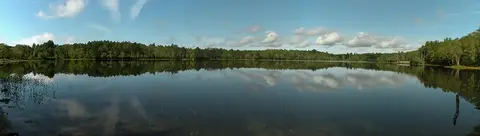
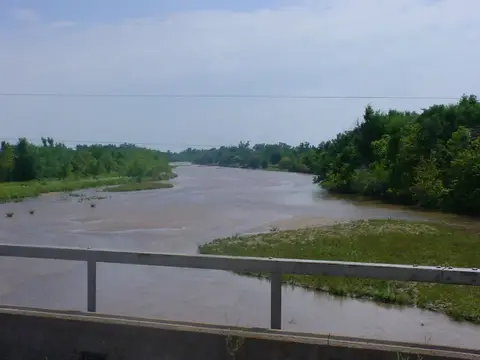
Fresh water: springs, streams, ponds, marshes and fishponds, as well as the land around them. Named moʻo are linked to places such as Kawainui Marsh on Oʻahu and Mokuhinia and Mokuʻula at Lāhainā, Maui.
Notable sightings
- 1885The carved image of Kihawahine is taken Waimanu Valley, Hawaiʻi Island
Eduard Arning and Herbert Purvis took a carved kou-wood image of Kihawahine from the valley. It was donated to Berlin’s Ethnological Museum in 1887.
- By 1914Mokuʻula is covered over Lāhainā, Maui
After decades of stream diversion for sugar plantations, the pond of Mokuhinia had nearly dried up and a baseball field covered the royal island of Mokuʻula.
- January 2022A scholarly catalog of moʻo University of Hawaiʻi Press
Marie Alohalani Brown’s Ka Poʻe Moʻo Akua: Hawaiian Reptilian Water Deities was published, cataloging 288 moʻo with sources.
What could explain it?
- Moʻo are understood in Hawaiian tradition as akua (deities) and ʻaumakua, not as undiscovered animals, so “explanations” in the cryptozoological sense do not apply.
- Hawaiian tradition itself expresses the dual nature of fresh water – life-giving and dangerous – through moʻo, and ties the care of ponds and streams to spiritual responsibility.
- The imagery draws on real animals; the word moʻo means lizard, and the tradition includes forms as small as a gecko.
Legend, culture and tourism
Moʻo remain part of Hawaiian cultural life and place-names, and are prominent in repatriation and restoration efforts. In recent years Native Hawaiian scholars and leaders have called for Kihawahine’s image to be returned from Berlin to Mokuhinia at Lāhainā. Visitors who encounter ponds, marshes and streams associated with moʻo should treat them with the respect due to sacred places.
Where it’s reported
Sources
First published · Updated